

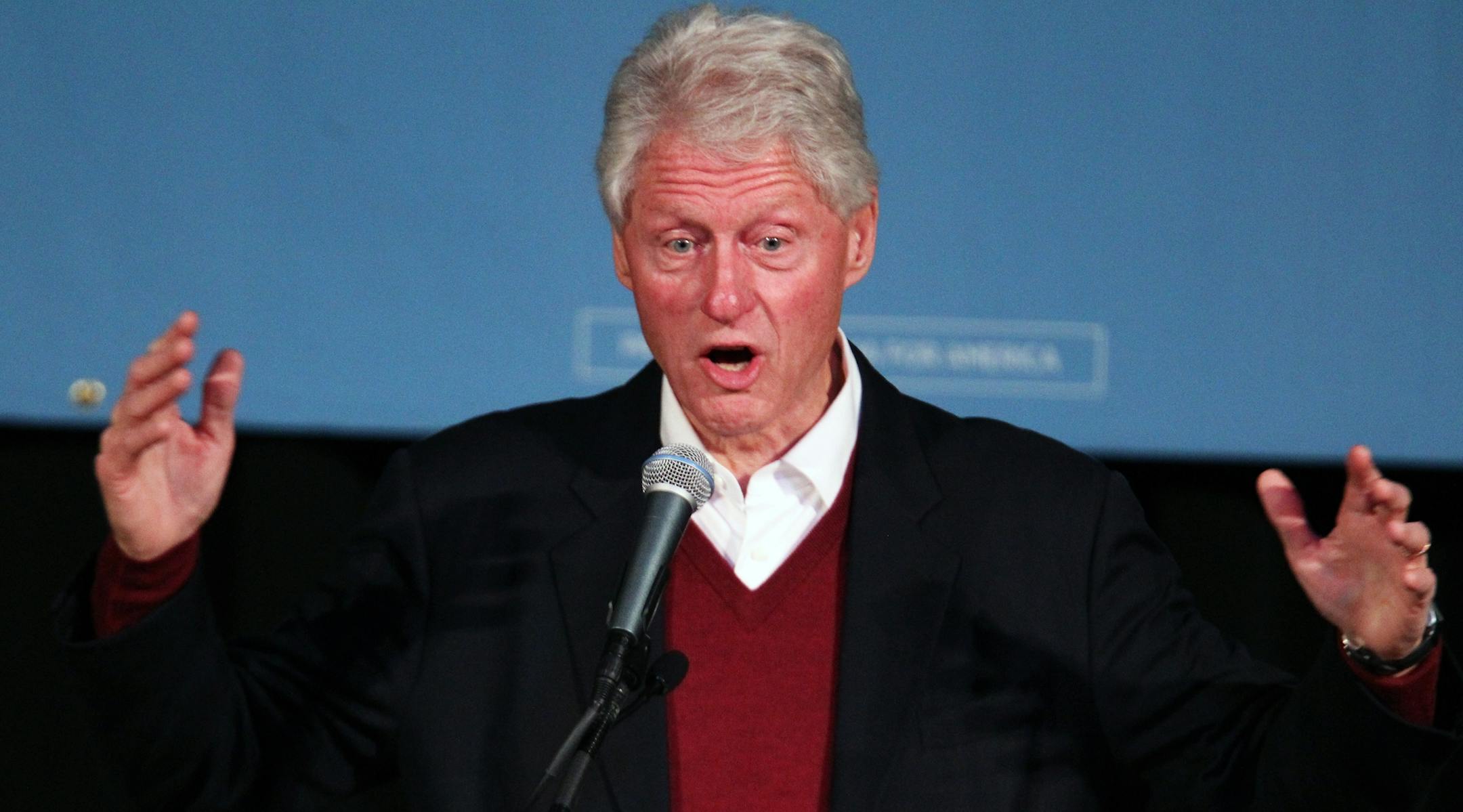
Whoever captures the White House on Nov. 6, the election season produced one clear winner: William Jefferson Clinton.
The 42nd president, starting with his speech at the Democratic National Convention establishing the predicate for President Barack Obama's economic message, set a new standard for effective political surrogates. Republicans, including more than a few who voted, on specious grounds, to impeach him 14 years ago, extolled the good old days of the Clinton presidency. There is no more popular political figure.
If Obama wins he should be much more solicitous of Clinton in a second term. The relationship between the two political figures has improved. Clinton's stature is off the charts, given his unsurpassed political instincts and standing at home and around the globe, and the fact that his wife will be the early favorite to be the next Democratic presidential nominee.
If Mitt Romney wins, Clinton becomes the patriarch of the loyal opposition, the most effective advocate against Republican efforts to govern from the conservative right.
"Bill Clinton has an incredible shelf life," says Vic Fazio, a former Democratic representative. "Whether speaking to the convention or working as small fundraiser the magic is still there. Bill Clinton never walks away."
If Obama is defeated he'll remain a historic firgue, the first black president. Much of his legacy, including the health-care bill and financial-regulation overhaul, will be shredded by Republicans. And Democrats will say the defeat was self-inflicted because the president and his top advisers decided to coast during the first debate. He could have knocked out Romney; instead he let his opponent back in the fight.
In defeat, Romney would be a political pariah. Other defeated candidates - Bob Dole, John McCain - remain respected figures within the party. Romney will be seen as a mediocre candidate, a chameleon, and an unprincipled political opportunist who snatched defeat from the jaws of victory. There will be few invites to Republican celebrations such as the Lincoln Day dinners.
Political pollsters have a lot at stake, too. Two of the most controversial are the Republican-centered Rasmussen Reports, whose daily surveys tend to favor that party, and the Democratic-oriented Public Policy Polling, whose surveys tilt in the other direction. What they share is a methodology of huge volume, because they conduct automatic surveys, or robo-calls, in which respondents simply push keypad buttons to express preferences.


