Eight thousand years ago, Minnesota looked like another world.
Prairie grasses covered the land, with trees sparse except in the extreme northeast. The landscape was extremely dry, with lakes reduced to waterholes and rivers withered to streams. Small groups of native people roamed the wild, hunting bison that were 50 percent larger than the species we know today. They camped in the river bottoms, close to water, fish and game.
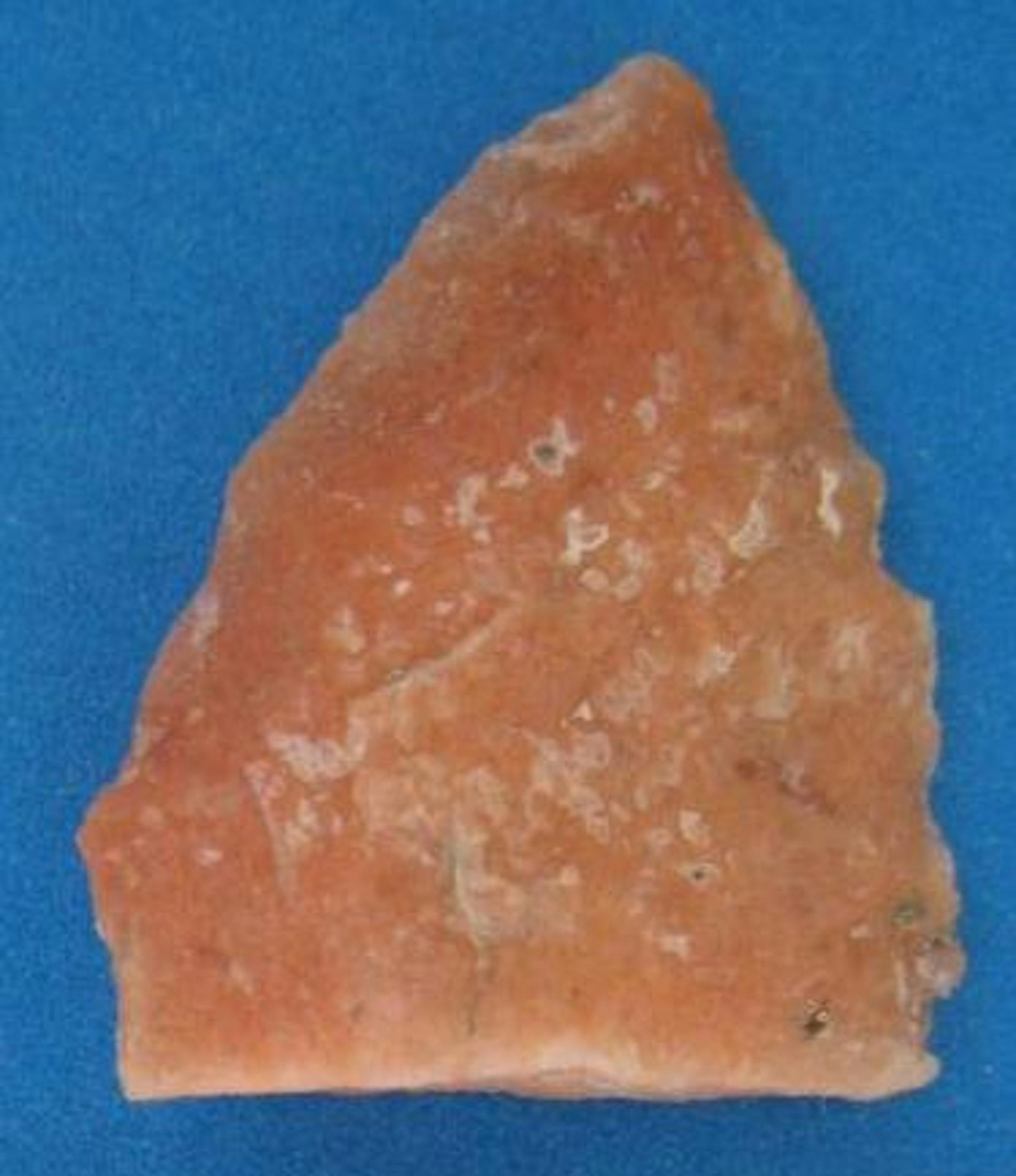
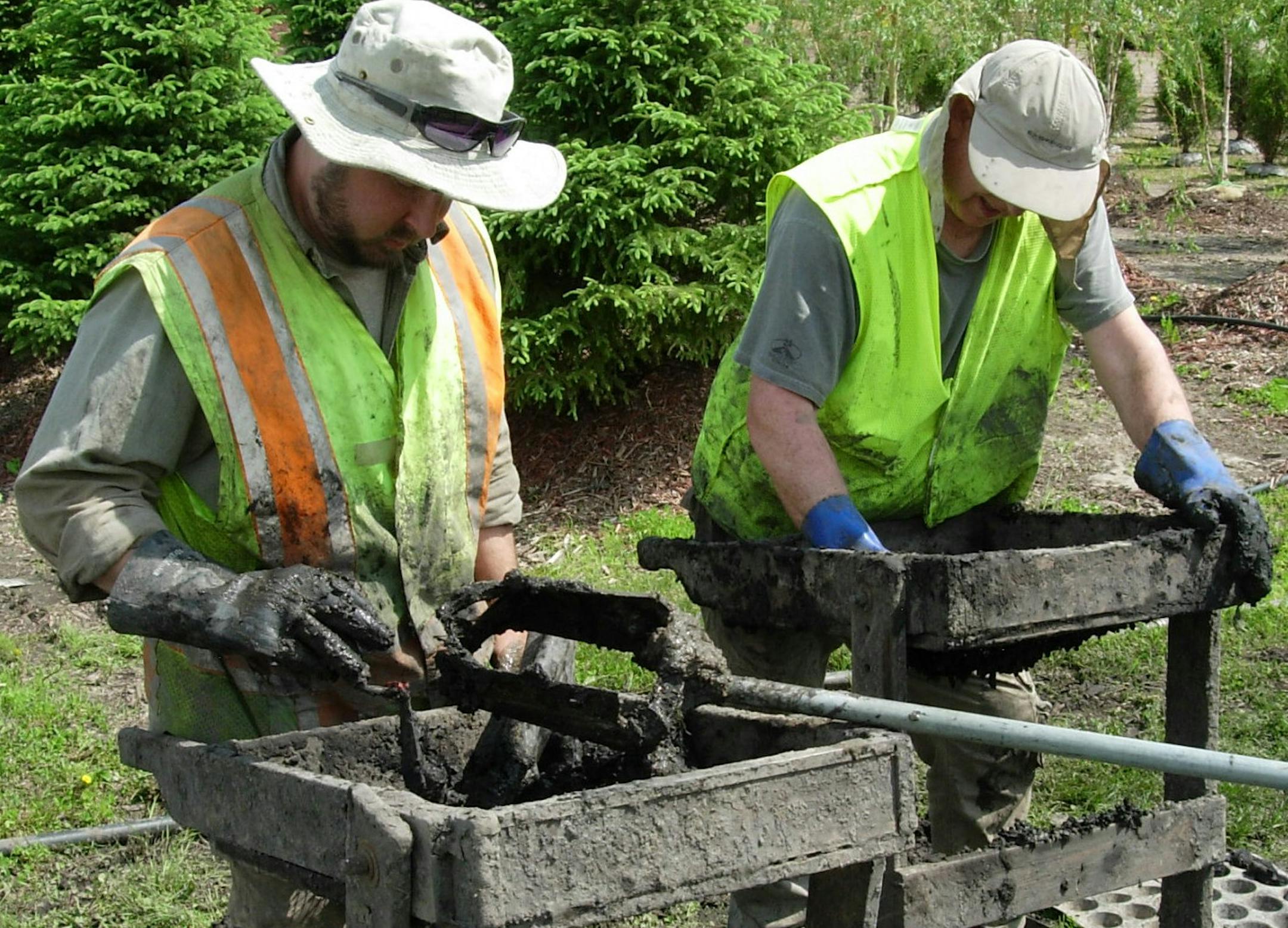
Now archaeologists are getting a priceless peek at that ancient past, known as the Archaic Period, because of a rare campsite discovered along the Minnesota River in Chanhassen during a routine survey in preparation for bridge work.
"Basically, it's like a time capsule — a very well-preserved record left pretty much intact of where it was deposited," said archaeologist Frank Florin, principal investigator at the site, whose precise location officials are not revealing to keep away vandals and treasure hunters. "It's exciting to know that you're looking at things as they were 8,000 years ago, essentially."
Florin found the site near the junction of Hwy. 101 and County Road 61, also known as Flying Cloud Drive.
Starting next year, the area will be excavated as part of a $54 million replacement of the Hwy. 101 bridge linking Carver County and Shakopee. Federal rules require an archaeological survey when such a project is underway to determine if anything of historic value would be disturbed.
The artifacts were buried 10 to 12 feet below the ground in an area mostly covered by peat, cattails and swamp.
Campsites in the river valley were occupied in a drier period of history, said Minnesota state archaeologist Scott Anfinson, probably by small groups of no more than 20 people. Over the centuries, the climate became wetter, river bluffs eroded and the campsites were covered with silt and soil and filled in as wetlands.