

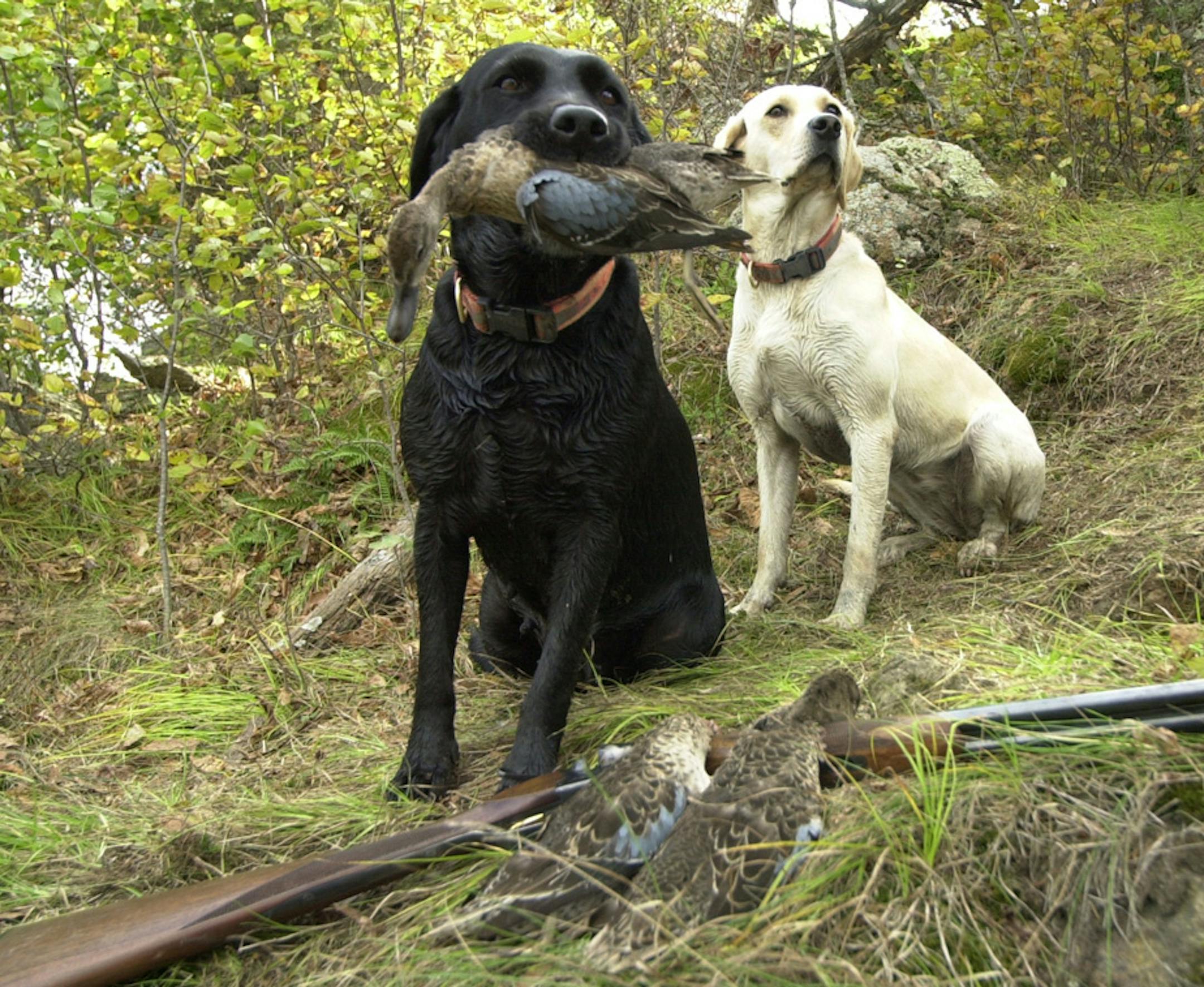
The only early teal hunting season ever held in Minnesota was remarkable.
During the experimental 2½-day hunt in September 1965, about 55,000 hunters shot 190,000 ducks — including, unfortunately, an estimated 8,000 illegal ducks of different species. The 4 percent violation rate was better than hunters did in some other states, including Iowa (12 percent) and Michigan (7 percent), but worse than in Missouri (2 percent) or Louisiana (2.5 percent).
Nevertheless, the inability of hunters to identify teal — and the political decisions that allowed southern states to continue offering early teal seasons, but not northern states such as Minnesota — set off a controversy that simmers still today.
Northern states have long claimed their hunters have been shortchanged when it comes to hunting teal, early migrants that often leave those states before or shortly after hunting seasons begin.
"For 50 years, we've gotten the short end of the stick,'' said Steve Cordts, waterfowl specialist for the state Department of Natural Resources. "In recent years we've asked for teal seasons, and the [Fish and Wildlife] Service has said no.''
But that could change as early as next year.
U.S. Fish and Wildlife officials have assembled a working group to look at additional teal harvest opportunities in the Central, Mississippi and Atlantic flyways, which could well result in the agency allowing northern states to offer experimental early teal seasons again.
"It's a big change in our stance,'' said Jim Kelley, Fish and Wildlife Service representative on the Mississippi Flyway, which includes Minnesota. "No decisions have been made, but conceivably the experiments could be started next fall.''


