

Opinion editor's note: Editorials represent the opinions of the Star Tribune Editorial Board, which operates independently from the newsroom.
•••
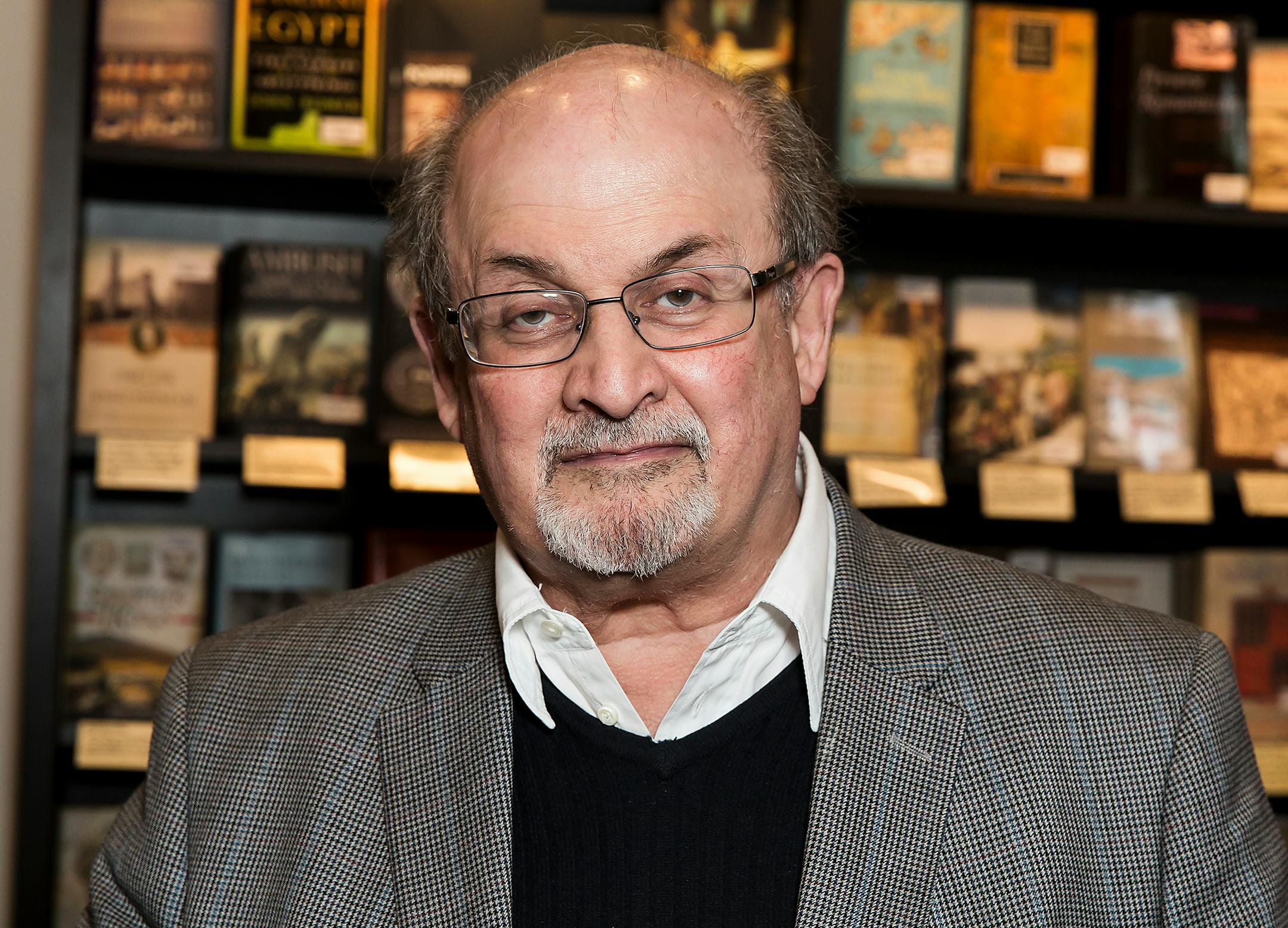
In 1989, Ayatollah Ruhollah Khomeini, then the supreme leader of Iran, issued a fatwa that called for the killing of author Salman Rushdie for his portrayal of Islam and the prophet Muhammad in his novel "The Satanic Verses."
Not recognizing the irony, in just that decree alone Iran's top cleric did more to defile his religion than Rushdie's writings could ever do.
That seems especially apparent after Friday's heinous attack on Rushdie at a literary conference in upstate New York. A 24-year-old New Jersey man who hadn't even been born when Khomeini issued the fatwa was arrested, later entering a not-guilty plea on charges of attempted murder and assault. Authorities have yet to provide a motive.
Gravely injured, Rushdie was initially put on a ventilator. While he's expected to recover, he may tragically lose an eye.
Rushdie's clarity on the extremism that is tightening its grip worldwide is likely unaffected. That scourge was evident again when "Harry Potter" author J.K. Rowling was warned, "Don't worry you are next," on Twitter after she rallied behind Rushdie. While Scotland Yard is investigating that threat, others may be targeted, too, as they decry the attack and the atmosphere that may have triggered it.
But ideally, the rejection of the theocracy's fanaticism will be so widespread that the intolerance can't be directed at just one individual as institutions, government and civilized society at large speak up for the right of free expression.


