

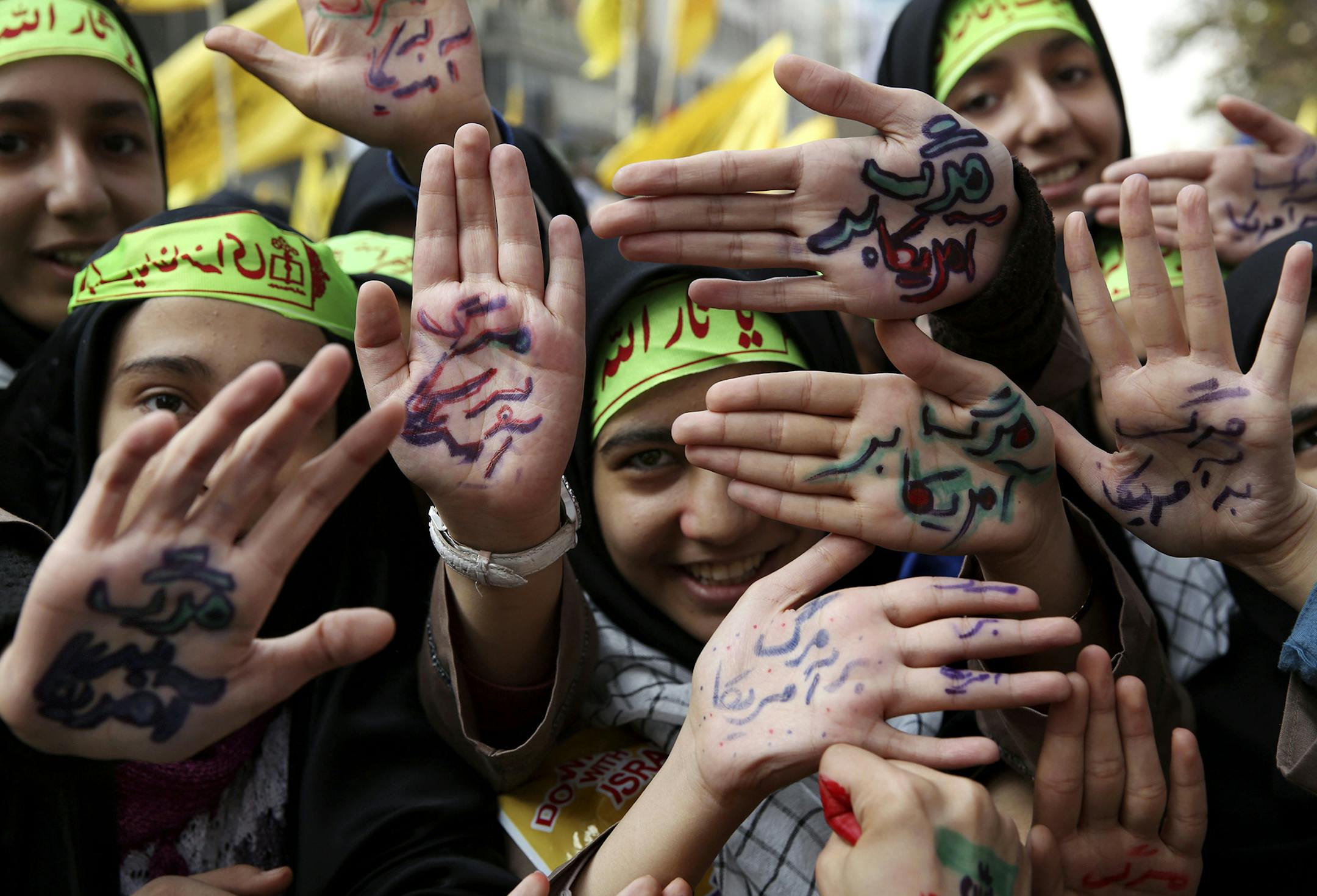
After reading news coverage out of Tehran over the past weeks, one could be forgiven for assuming that Iranians can't wait to lash out at America. Pictures of the Stars and Stripes going up in flames were ubiquitous in newspapers, as were reported chants of "Death to America." It certainly appeared to be a hostile scene that most of us would want nothing to do with.
But was it?
Being invited to speak at a conference at the University of Tehran last week had become for me a welcome chance to peer behind a notorious curtain. I had expressed interest in visiting Iran before, but, alas, never with enough persuasiveness to garner a visa. Thankfully, my speaker's invitation, and the nascent thaw in relations, were enough to move things along.
Yet who knew what type of reception I would receive on the ground? I was apprehensive when I heard that the day of my arrival would coincide with the largest anti-American protest in years.
Predictably, my Iranian colleagues counseled me to simply steer clear of any politics. They assured me that the protest wasn't important enough to justify the trouble. There were only 50,000 demonstrators, after all, while 13 million others in greater Tehran chose instead to go about their daily lives. But then why the media focus, I wondered? Thankfully, my American curiosity ultimately got the best of me and I decided to walk across town and see this hatred for myself.
As I began to encounter the fringes of the protests, the first thing that struck me was how relaxed everyone appeared. Yes, there were Iranians in chadors and clerical robes, as well as many others in denim and more-liberal manteaus. But no matter the style, most people seemed — what's the word?
Happy?
The farther I ventured into the heart of the demonstration, the more I encountered protesters very much at ease, almost as if their march with friends was exactly that: enjoying a beautiful fall day in Tehran. Sure, there were groups yelling, but this appeared to be largely for the benefit of the cameras.


