

If the 2014 election had produced a different state House majority, a bill to bring paid sick leave to more Minnesota workers would have been on this session's most-watched list. It had been teed up by the 2014 Women's Economic Security Act and had friends in high places in the House DFL caucus.
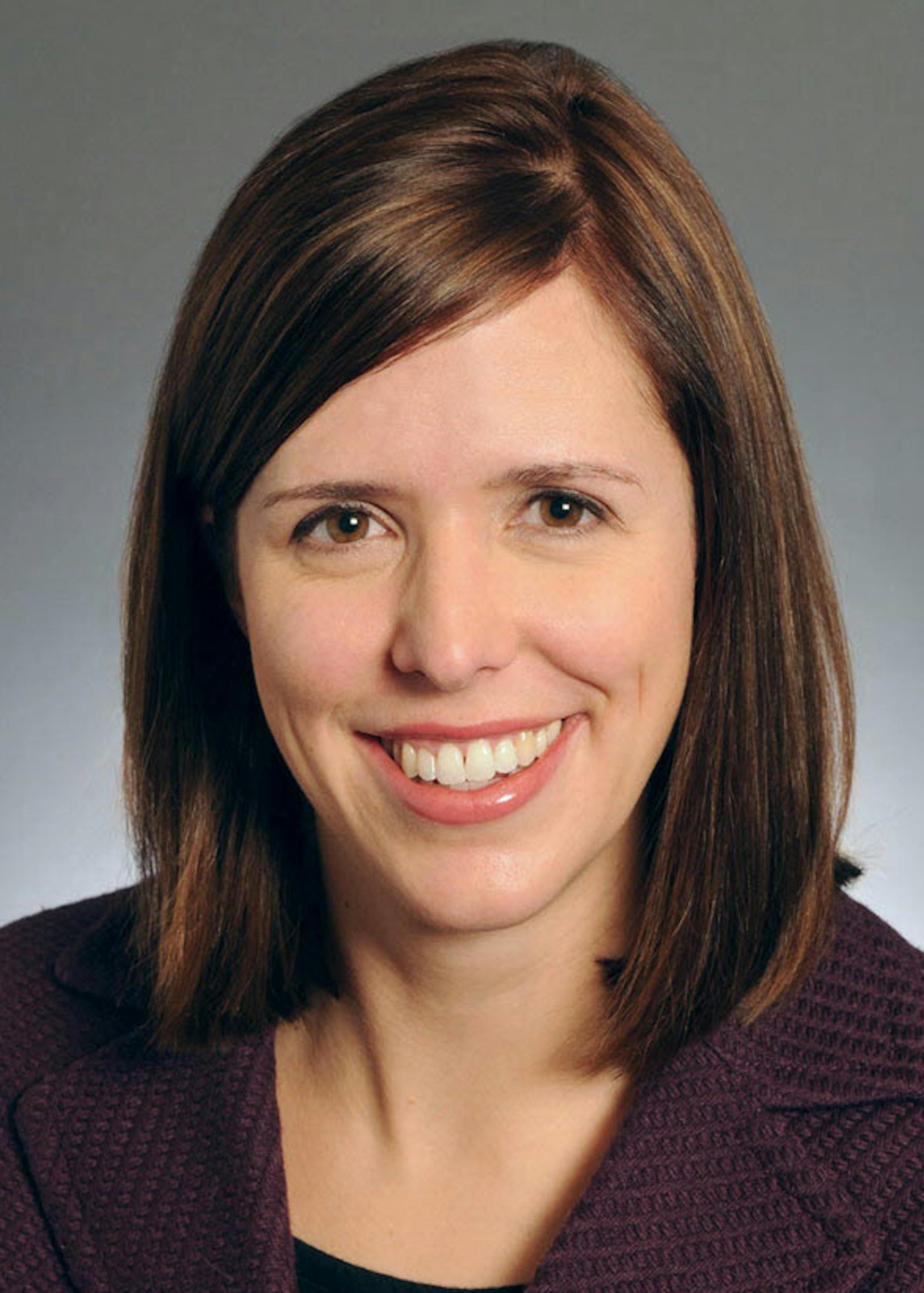
Elections matter. The House majority switched from DFL to GOP hands. That's why at a news conference last Tuesday, pleaders for this year's almost-invisible bill regarding paid sick leave included a few clergy members, seniors, nurses, low-wage workers, one employer, two fidgety toddlers — and just one legislator, Senate Assistant Majority Leader Katie Sieben.
Sieben, DFL-Cottage Grove, is chief Senate sponsor of a bill that would extend a benefit for paid sick leave and parenting leave to a large share of the 1 million Minnesota workers who lack it today. It would employ a funding scheme akin to Social Security's, taxing both employers and employees 0.1 percent of wages to create a special fund administered by the state Department of Labor and Industry. Employees could tap that fund for up to six weeks of slightly reduced pay during a qualifying leave of absence in a given year.
It's a creative approach. The debate it might generate one day would be a wonk's delight to cover. But given the bill's bleak prospects in the reconstituted House, it's been slow to get a hearing in either chamber. This week for sure, Sieben has been told; "maybe" this week was the word for the House version sponsored by Rep. Ryan Winkler, DFL-Golden Valley.
Also at Tuesday's briefing was state Health Commissioner Dr. Edward Ehlinger, a sparkplug in any conversation about health's connection to societal well-being. He came touting his agency's new "White Paper on Paid Leave and Health," produced in response to a 2014 legislative request. Not surprisingly, it concludes that the lack of paid sick leave is bad for Minnesotans' health.
That's not just workers' health. It's everybody's.
Consider: Most food-preparation and service jobs don't offer paid leaves for reasons of illness. These low-wage jobs are typically held by people who cannot afford to miss even a day or two of income. When they get sick, they often work anyway.
The result: "In Minnesota, at least 208 outbreaks of foodborne illness were linked to employees working while sick between 2004 and 2013," the white paper says. Further, "579 outbreaks were associated with person-to-person transmission in public settings between 2004 and 2011." Those are only the reported and confirmed cases. It's a good guess that there were a lot more.
![Health Commissioner Ed Ehlinger outlined the plan. ] GLEN STUBBE * gstubbe@startribune.com Monday, October 27, 2014 Gov. Mark Dayton has consulted legal and bioethics experts on an Ebola preparedness announcement he will be making Monday afternoon -- presumably about whether the state will quarantine travelers returning from the west African nations at the center of the deadly viral outbreak.](https://arc.stimg.co/startribunemedia/YCGUGHTMKDQBZHUEE3YC37CY6I.jpg?&w=1080)


