

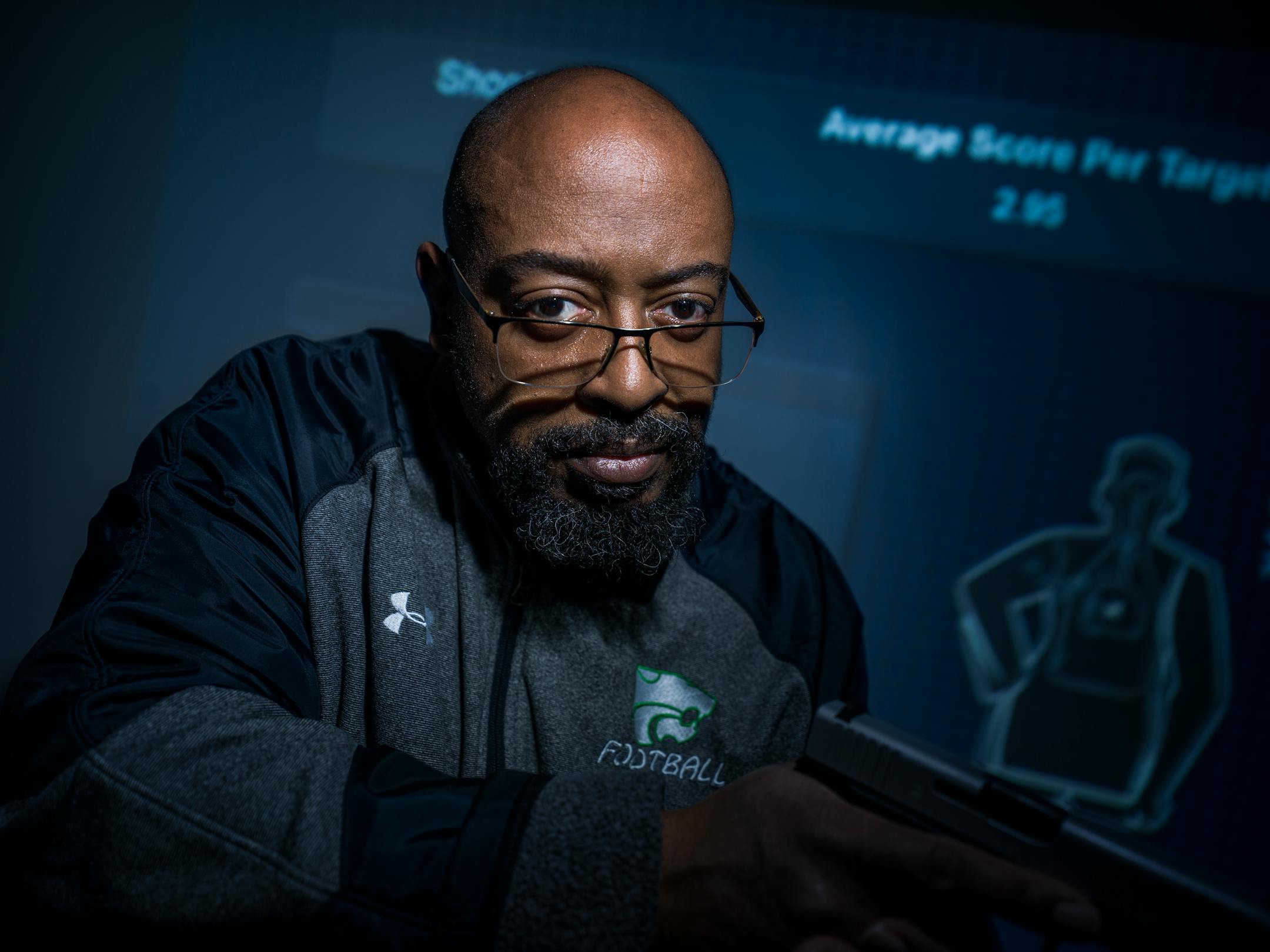
Lucky Rosenbloom was grocery shopping at a Twin Cities store when he saw a couple of people stroll in with guns openly holstered to their hips. They took their time wandering the aisles as security guards stood nearby, unfazed.
Rosenbloom knows it's legal to openly carry guns in many places in Minnesota, but as a Black permit-to-carry instructor, he wouldn't dream of being so bold with his firearm.
"If I did that same thing, I would not make it outside," he said. "And if I did, there'd be 20 squads out there waiting for me."
Rosenbloom and other Black gun owners point to a double standard they often experience when legally carrying their weapons. Conversations about the issue reignited last week when prosecutors declined to charge a police officer for shooting and killing Amir Locke as he held a gun while officers burst into an apartment on a no-knock warrant. Locke's family said he had a permit for the gun.
Many have noted examples of disparate treatment. For example, Philando Castile, who was Black, died after telling an officer about his legal gun during a traffic stop in Minnesota; mass murderer Dylann Roof, who is white, was taken into custody alive in Charleston, S.C., after spraying gunfire in a Black church.
Black people who own guns for personal protection or leisure cannot ignore the realities that separate them from other Americans, Rosenbloom and others say.
Louis Dennard, who founded the Minnesota chapter of the African American Heritage Gun Club four years ago, said it's not hard for him to picture how he may have reacted if he was awakened in the middle of the night like Locke was, as a lawful citizen, to hear someone entering his home where he lives with his wife and son.
"If I hear my door get knocked down, six o'clock in the morning … I'm running down the steps with one of my firearms in my hand," Dennard said. "And, of course, me being Black, I'm going to be assumed to be the perpetrator, and they're going to shoot me on sight."


