

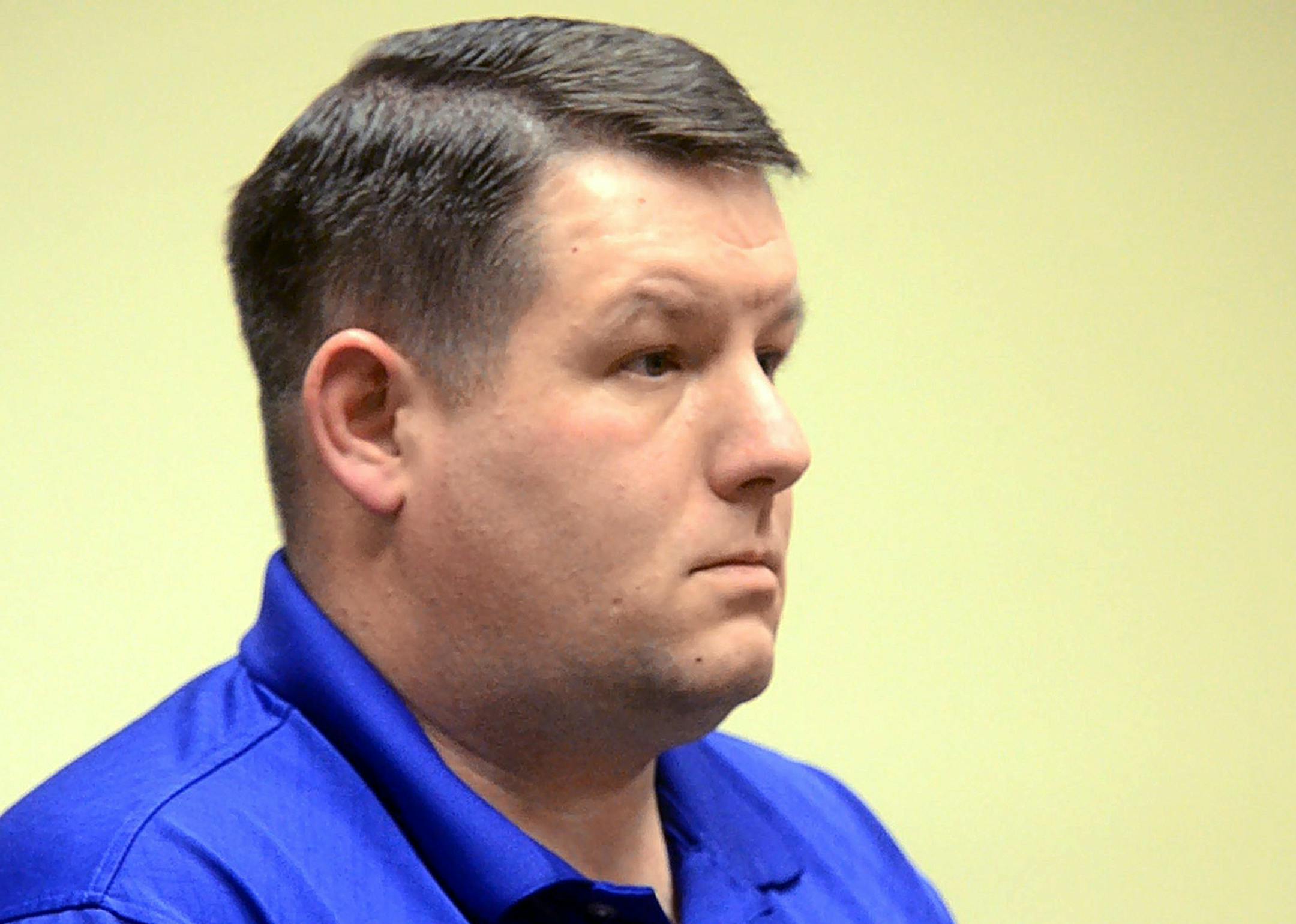
EUTAWVILLE, S.C. – A South Carolina grand jury's indictment last week of a white police chief in the killing of an unarmed black man capped three years during which a tense patience united the town's 300 residents.
The murder indictment of Richard Combs offers a counternarrative to those unfolding in Missouri and New York, where grand juries refused to charge police for killing unarmed black men, triggering protests across America. The charges speak to more intimate ties between blacks and whites in small towns and challenge the idea that racial conflict is at its worst in the once-segregated South.
Last week's indictment is South Carolina's third in four months for law officers who shot unarmed black men, and the first for murder.
"The brand of justice, ironically, in this state has proved at this moment across America to be even higher than that that we see in New York City," said Carl Grant, attorney for the family of Bernard Bailey.
The indictment chilled South Carolina police, said Wally Fayssoux, a lawyer for Combs, who predicted his client will be acquitted.
"There is a deep concern among law enforcement professionals about this idea that a man could be indicted for just doing his job," Fayssoux said.
He said prosecutor David Pascoe, a white Democrat who sought the charge, wanted national attention. The indictment was announced the day that a New York City grand jury refused to act in the death of Eric Garner, a black man choked to death by a police officer arresting him on suspicion of selling untaxed cigarettes.
The shooting
Bailey, 54, was well-known around Eutawville. A former corrections officer who stood 6 feet 6 and weighed 285 pounds, he was a manager at a nearby Wal-Mart. His wife was a school librarian.


