

Some of the companies that make the most popular tech devices would like to hear you talking more.
Last month, Microsoft unveiled the Xbox One, a new video game console that will expand upon the Xbox 360 Kinect's ability to do things based on your spoken commands. "Xbox, watch ESPN," you might tell the thing. Or "Xbox, turn off 'Halo,' I need some sleep."
Google is adding voice search to desktop versions of its popular Chrome Web browser. And of course, Apple's voice-command companion Siri continues to answer questions about movie showings and the weather on iPhones and iPads and will find her way into newer automobiles that incorporate the technology.
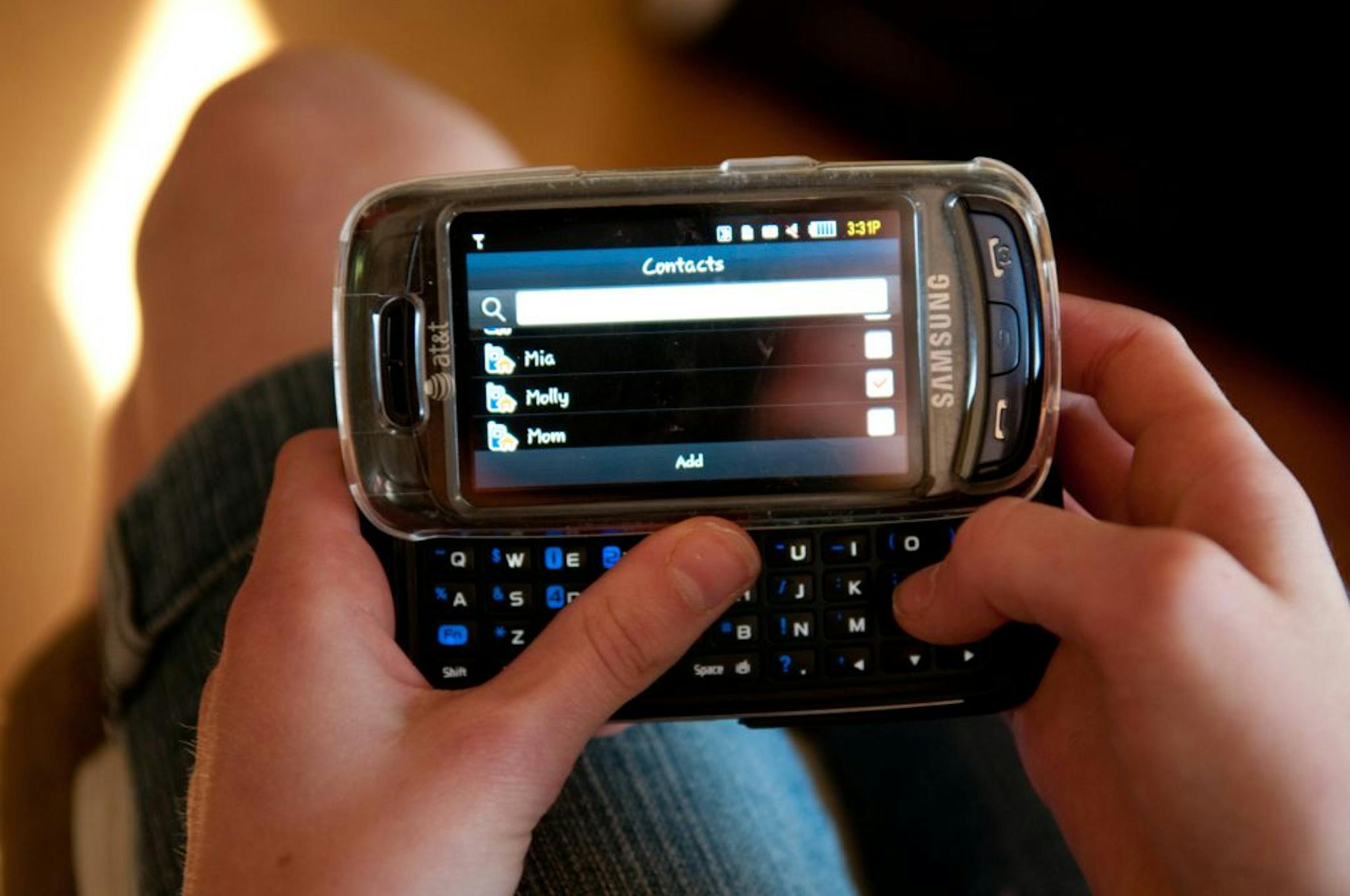
Leaving a voice mail, dictating a text to a smartphone or recording podcasts are other examples of using our vocal cords with technology. But those are all examples of ways to talk with machines. What about talking to humans?
We text, we tweet, we e-mail. Is the amount of actual talking we do with other people decreasing? Are there days when you find yourself barely speaking at all?
When it comes to the way we use mobiles phones, voice calling is clearly declining. According to a study released last year, mobile voice calling has been decreasing for years, since around the time smartphones began to get popular. Two and a half years ago, the popular blog TechCrunch boldly declared in a headline, "The phone call is dead."
But what about face-to-face contact? Does all the social networking and ease of online communication mean we can connect more efficiently with more people without opening our mouth? Or are we simply avoiding conversations we'd rather not have?
Keri Stephens, an assistant professor of communication studies at the University of Texas College of Communications, says she's found that "A lot of younger people tend to have fewer voice conversations and prefer texting vs. face-to-face conversation."


