

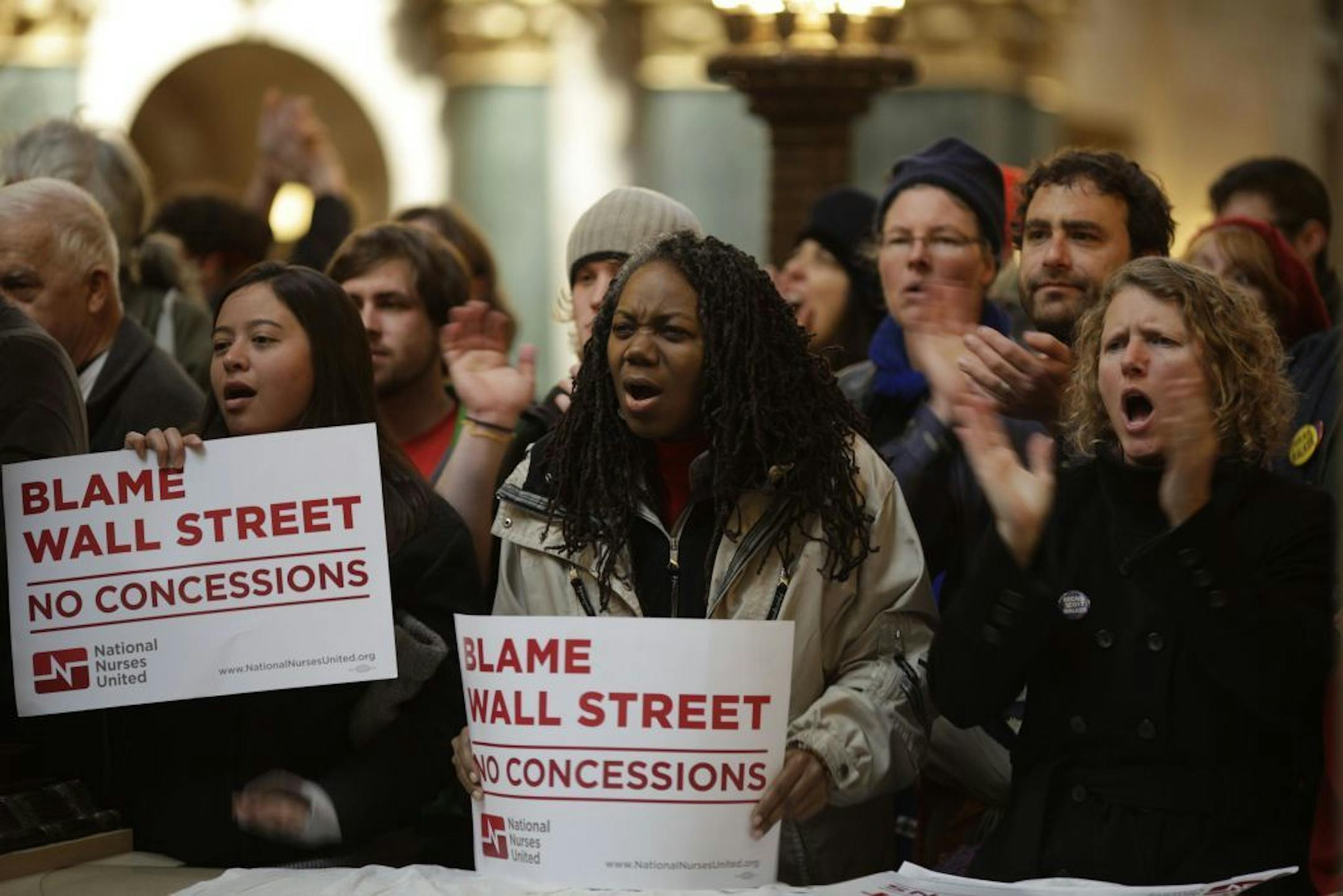
The downturn we call the Great Recession officially started in 2007. But after spending the last two years talking to people who lost jobs, homes or savings during the official recession, I'd argue that the trouble actually started decades earlier.
Almost all those I spoke to had already slogged through many years of stagnant or declining hourly wages by the time the recession kicked in. Couples who wanted to maintain homes like the ones they were raised in had often borrowed heavily and/or taken second and sometimes third jobs.
This suggests two things that I hope will enter into our economic decisions going forward: First, that declining wages were a significant cause of the Great Recession; and second, that raising wages now could help stave off the next downturn and keep America strong.
Between 1971 and 2007, U.S. hourly wages, adjusted for inflation, rose by 4 percent. (That's not 4 percent a year; it's 4 percent over 36 years!) During those same decades, productivity increased by 99 percent — that is, it nearly doubled. In other words, the average worker's productivity rose 25 times more than his pay. But we Americans sell more than 70 percent of what we produce to one another. If the majority was earning less and producing more, who was going to buy all the stuff?
The investors who profited from the high productivity and low wages found themselves with a lot of money piling up in brokerage and bank accounts. Meanwhile, working people, also known as consumers, didn't earn quite enough to maintain their lifestyles. So the 99 percent had a great need to borrow at a time when the 1 percent had excess money to lend.
For two seconds, that may seem like perfect synergy. But think about it for six seconds. If I don't have $10 this year, and my wages aren't going up, how will I have $15 next year to pay you back with interest? Take out more loans?
Financiers aren't particularly stupider (or smarter) than the rest of us. But those piles of profit kept growing, and a bank can't simply keep its money in the bank. So they extended ever-larger loans to people with ever-smaller incomes. They loaned us money for big-ticket items like cars and college educations, then, through credit cards, for daily expenses.
The ultimate debt scheme of the era involved making mortgage loans to Americans who couldn't afford houses, then bundling those high-risk loans and selling them off to investors and financial institutions. No one should have been surprised when the whole shoddy structure eventually crashed.


