

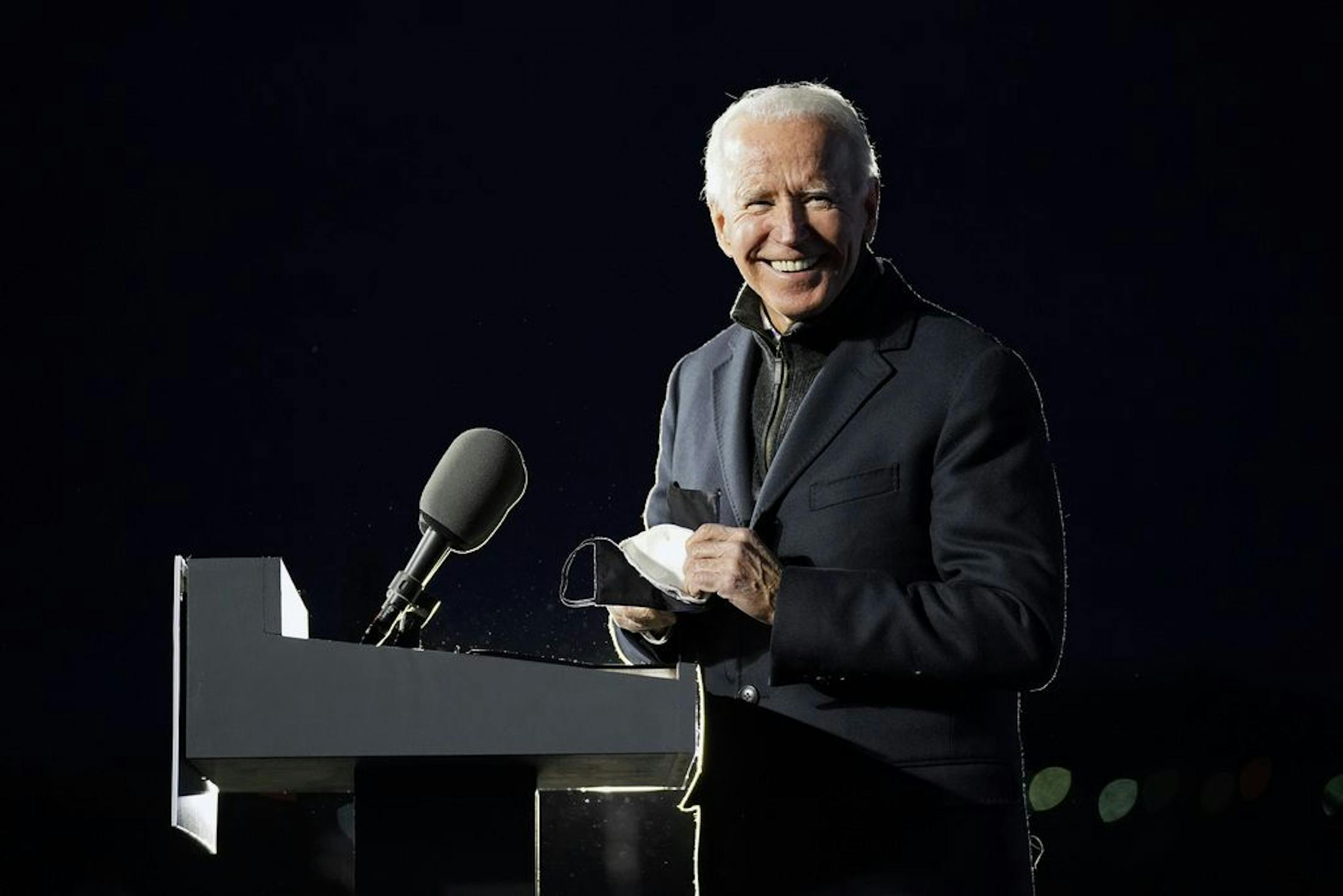
WASHINGTON — In a crystallizing moment at the last presidential debate, Donald Trump and Joe Biden fielded a question about people of color who live alongside chemical plants and oil refineries that seem to be making them sick.
As is his way, Biden responded with I've-been-there empathy. He recalled growing up so close to Delaware refineries that when his mom drove him to school in a morning frost, the wipers spread an oil slick on the windshield.
Trump responded in his own way, too. "The families that we're talking about are employed heavily and they are making a lot of money," he presumed. "More money than they've ever made ... tremendous money."
These men were true to form, authentic in that exchange. On debate night and through the campaign they offered voters a distinct choice between a red-hot president who put the bottom line before all else and an unflashy Democrat who invited Americans to cool down and come together.
Biden promised straight talk and sobriety on the lethal pandemic, respect for the facts (if you don't count his flubs), aspirations for racial justice and a revival of the verities of American democracy that Democrats said Trump was tearing apart.
And the nation pivoted, embracing at least the chance of reconciliation in this deeply riven country. Will Americans accept the olive branch Biden extends? The election was far from a comprehensive repudiation of the polarizing president.
While Biden drew the most votes of any presidential candidate in history, Trump drew the second most ever — each over 70 million and some 4 million votes apart. Biden's victory Saturday, when Pennsylvania sealed his Electoral College win, had Trump crying foul, refusing to concede and feeding the false sense among his supporters that he was cheated by a corrupted vote.
After nearly five decades in public office, Biden was never going to be the most energizing candidate in the field. He had no pithy slogan like "Hope and Change" to rouse excitement. Audacity isn't his thing, man.


