

Opinion editor’s note: Strib Voices publishes a mix of national and local commentaries online and in print each day. To contribute, click here.
•••
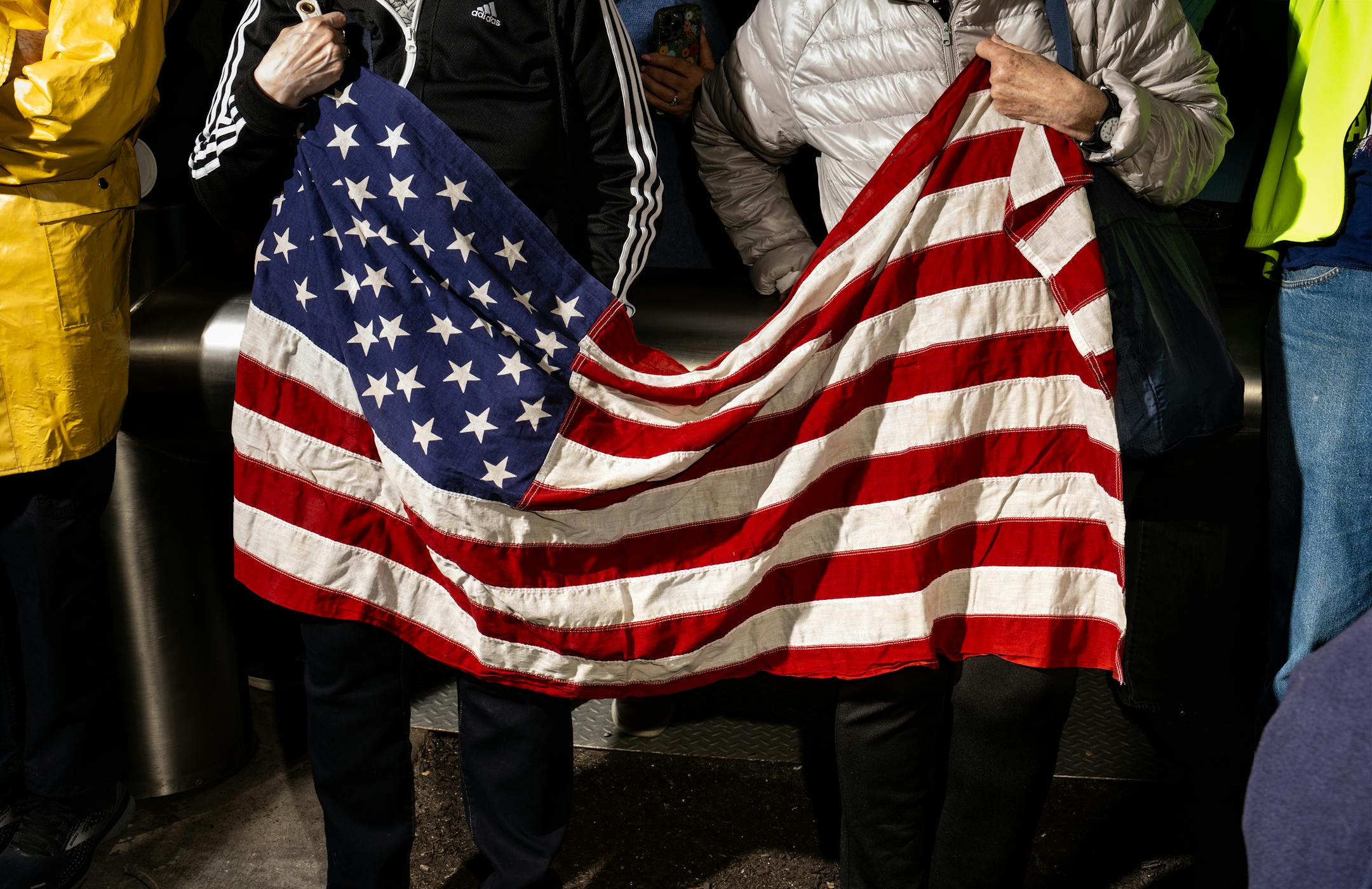
There is a battle raging across America (and soon in the halls of the Supreme Court) over what it means to be an American and what our nation should aspire to be.
It’s part of a war between two stories of nationhood that we’ve been waging since the U.S. was created 249 years ago.
One vision is civic. It says that we Americans may lack a common history, religion or ethnicity, but what we share are the ideals in the Declaration of Independence: Each human has a natural and equal right to life, liberty and the pursuit of happiness. To be American, in this tradition, is to create a society dedicated to making these ideals a reality.
The other vision — an animating force inside the Trump administration — is exclusive and ethnonationalist. Vice President JD Vance laid it out explicitly in a speech this summer: a national identity based not on ideals, but on privileged heritage and bloodlines.
“America is not just an idea,” Vance said. “We’re a particular place, with a particular people, and a particular set of beliefs and way of life.” He added: “The people whose ancestors fought in the Civil War have a hell of a lot more claim over America than the people who say they don’t belong.”
If we abandon the Declaration’s ideals in favor of a tribal concept of national membership, we’re done for. America will have traded a quest for human freedom for a sectarian project to allow a minority to dominate everyone else. Here’s the good news: A vast majority of Americans are on the side of the Declaration and reject the ethnonationalist vision.


