

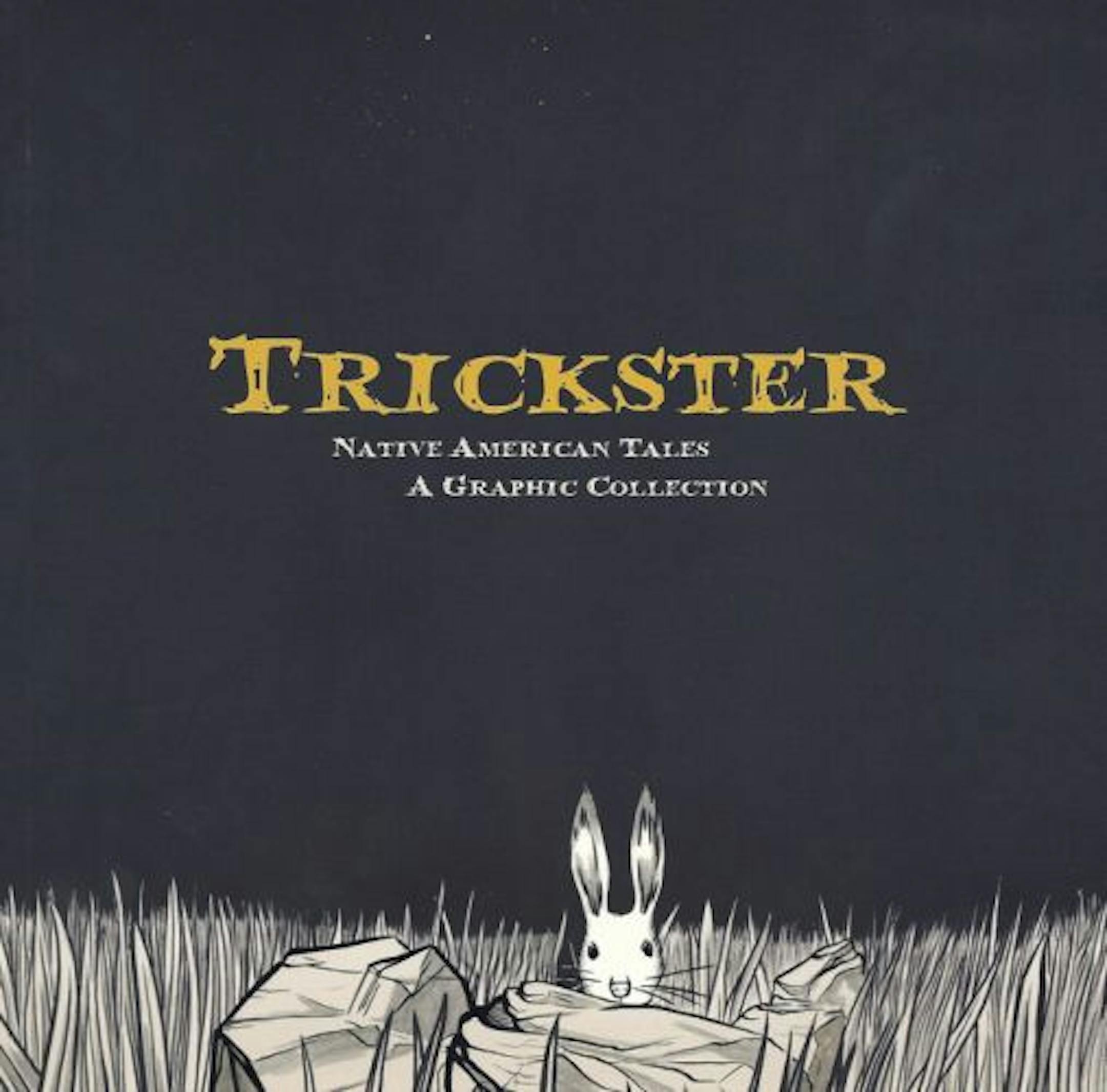
"Trickster" (Fulcrum Books, $23) is one of those brilliant ideas that, in retrospect, are so obvious, people slap their foreheads and say, "Why didn't I think of that?"
"Trickster" editor Matt Dembicki rounded up American Indian writers from across the United States, and paired them with artists (including himself) to relate tales of American Indian trickster gods. They conjured up more than 20 tales of pure, undiluted magic.
Trickster-god stories are as varied as the tribes that told them as instructions, jokes, morality tales and more. Some trickster gods take on a specific form; others shape-shift into animals such as ravens, rabbits and foxes. The variety is amazing, and no two tales are alike.
For example, in "Azban and the Crayfish," a clever trickster takes the form of a raccoon, plays dead and allows a crayfish to take credit for "killing" him. That brings the crayfish just close enough to eat, and a lesson is learned about bragging.
Some tricksters can be helpful, as in "The Bear That Stole the Chinook," in which Coyote rescues the wind from Bear after Owl and Weasel fail. Some are selfish troublemakers, such as the egotistical trickster who ruins the order of the stars in "Coyote and the Pebbles."
But whatever form the trickster takes, and whatever his scheme, it generally results in chaos or trouble for someone -- sometimes the trickster.
Trickster gods are not unheard of in comics. For example, Loki, the Norse god of mischief, has been a constant in Marvel's "Thor" comics since the early 1960s. Steve Englehart's "Coyote" was an influential book in the 1980s at Eclipse and Epic, with art by Marshall Rogers, Steve Leialoha and others. (It's available in five trade paperbacks from Image now.) Anansi, the Spider God of West Africa and the Caribbean, has been hero, villain and supporting character in a variety of comics.
Which just goes to show that trickster gods and comics were made for each other.


