

Once upon a time in musical history, asking what a piece of music "means" would have been deemed a more or less nonsensical question.
Nowadays, the trend for verbal explanations is virtually an epidemic — a function, perhaps, of trying to grab listeners' attention in our media-saturated culture.
Canadian composer Zosha Di Castri's "Lineage" is a case in point.
She describes the piece as "a combination of change and consistency, a reimagining of places and traditions I've known only second hand, the sound of a fictitious culture one dreams up to keep the memories of another generation alive."
If you hear that in the music, well and good.
Cut the explanations, though, and "Lineage" becomes a more than averagely interesting 11-minute work for large orchestra, and it opened the Minnesota Orchestra's coffee concert on Thursday morning.
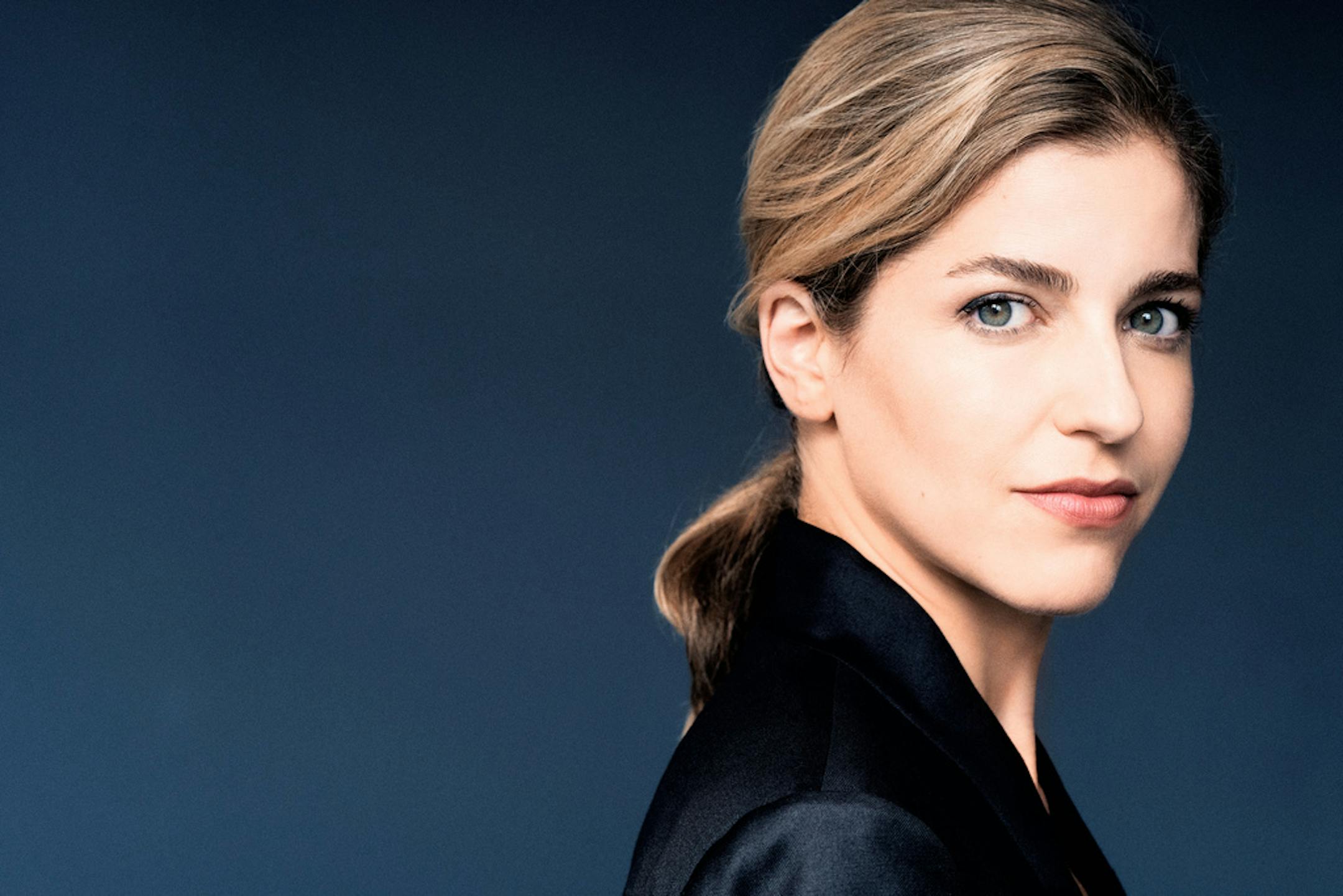
American conductor Karina Canellakis was on the podium making her Orchestra Hall debut, and led a clear and confident performance of Di Castri's composition.
Its soundworld constantly demanded attention, from the plink of gong strokes in the expanded percussion section through the burble of xylophone and marimba, to the spitting bass and cello slaps that spiked up through the textures at one point.

