

I was very pleased last week to listen to President Obama's address on climate change and extreme weather concerns. I applaud his strong commitment to act now and zero in on energy issues. This is extremely important for all Americans.
Many people like me are interested and concerned about the importance of climate issues on humans, as well as on our wildlife.
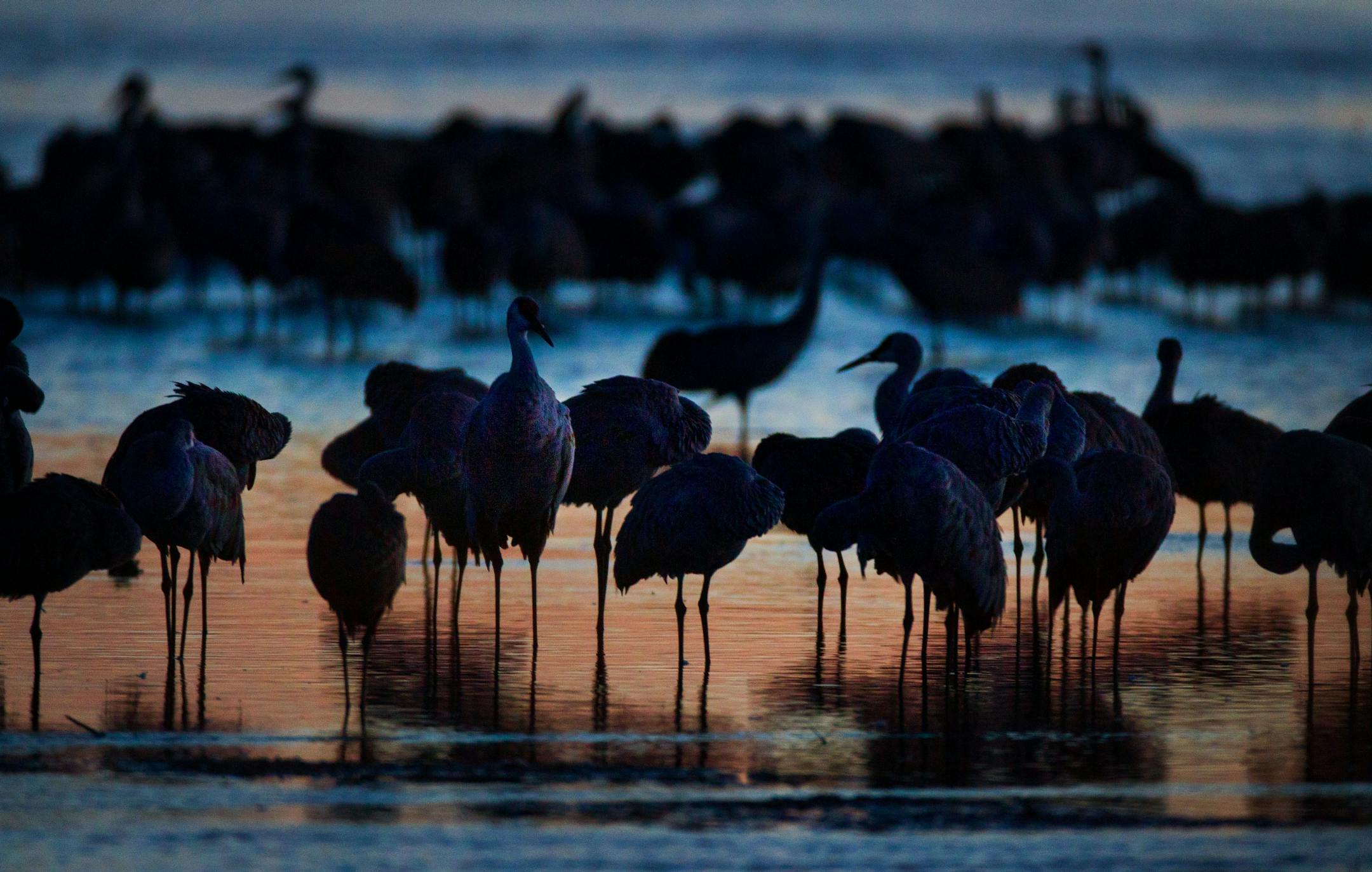
Global warming is rapidly altering and destroying habitats that migratory birds have spent thousands of years developing. It's the biggest threat this century, not just to migratory birds but to America's wildlife, according to the latest in a series of reports from the National Wildlife Federation. "Shifting Skies: Migratory Birds in a Warming World" calls on our elected officials to take steps now to cut industrial carbon pollution, speed our transition to clean energy, and use climate-smart conservation strategies to protect America's communities and wildlife habitats.
Migratory birds live a complicated and delicate existence, depending on multiple food sources and varied habitats. They cannot survive just anywhere. The slightest change in a habitat can have dramatic, even devastating impacts.
The National Wildlife Federation study offers examples all around North America of the dangerous consequences of a warming climate:
• Spring is arriving earlier and winter later, creating a mismatch in timing for some birds. When some birds stop partway during migration or arrive on their breeding grounds, their traditional food sources may not be available.
• Extreme weather events are becoming more frequent and more intense. Last year's superstorm Sandy has already cost the U.S. Fish and Wildlife Service $68 million to restore habitats on 25 refuges.
• Birds' ranges are shifting and, in some cases, contracting. 177 of 305 species tracked have shifted their centers of abundance during the winter northward by 35 miles on average in the past four decades.


