Global warming has focused concern on land and sky as soaring temperatures intensify hurricanes, droughts and wildfires. But another climate crisis is unfolding, underfoot and out of view.
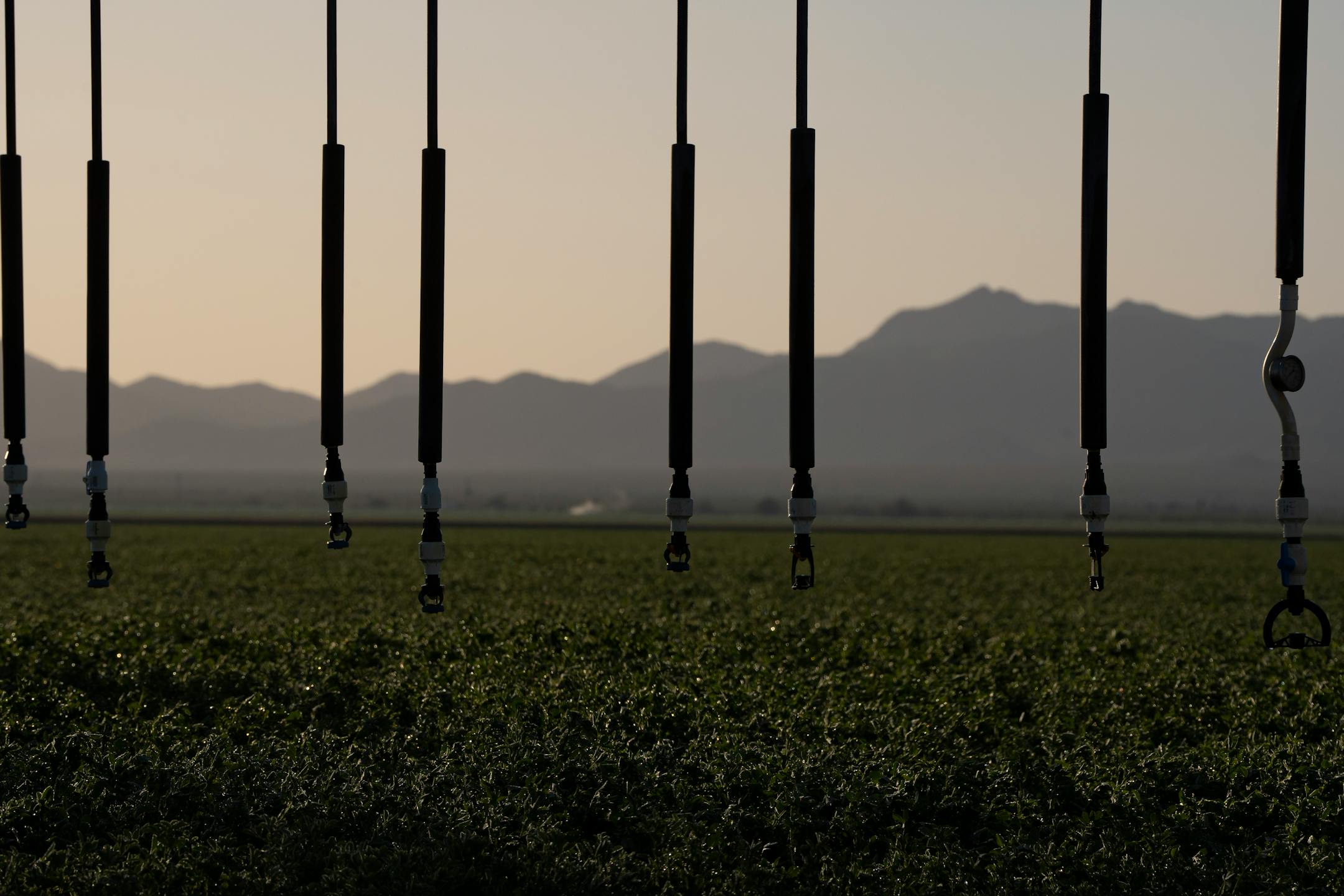
Many of the aquifers that supply 90% of the nation's water systems, and which have transformed vast stretches of America into some of the world's most bountiful farmland, are being severely depleted. These declines are threatening irreversible harm to the American economy and society as a whole.
The New York Times conducted one of the most comprehensive examinations of groundwater depletion nationwide and found that America's life-giving resource is being exhausted in much of the country, and in many cases it won't come back. Huge industrial farms and sprawling cities are draining aquifers that could take centuries or millenniums to replenish themselves, if they recover at all.
States and communities are already paying the price.
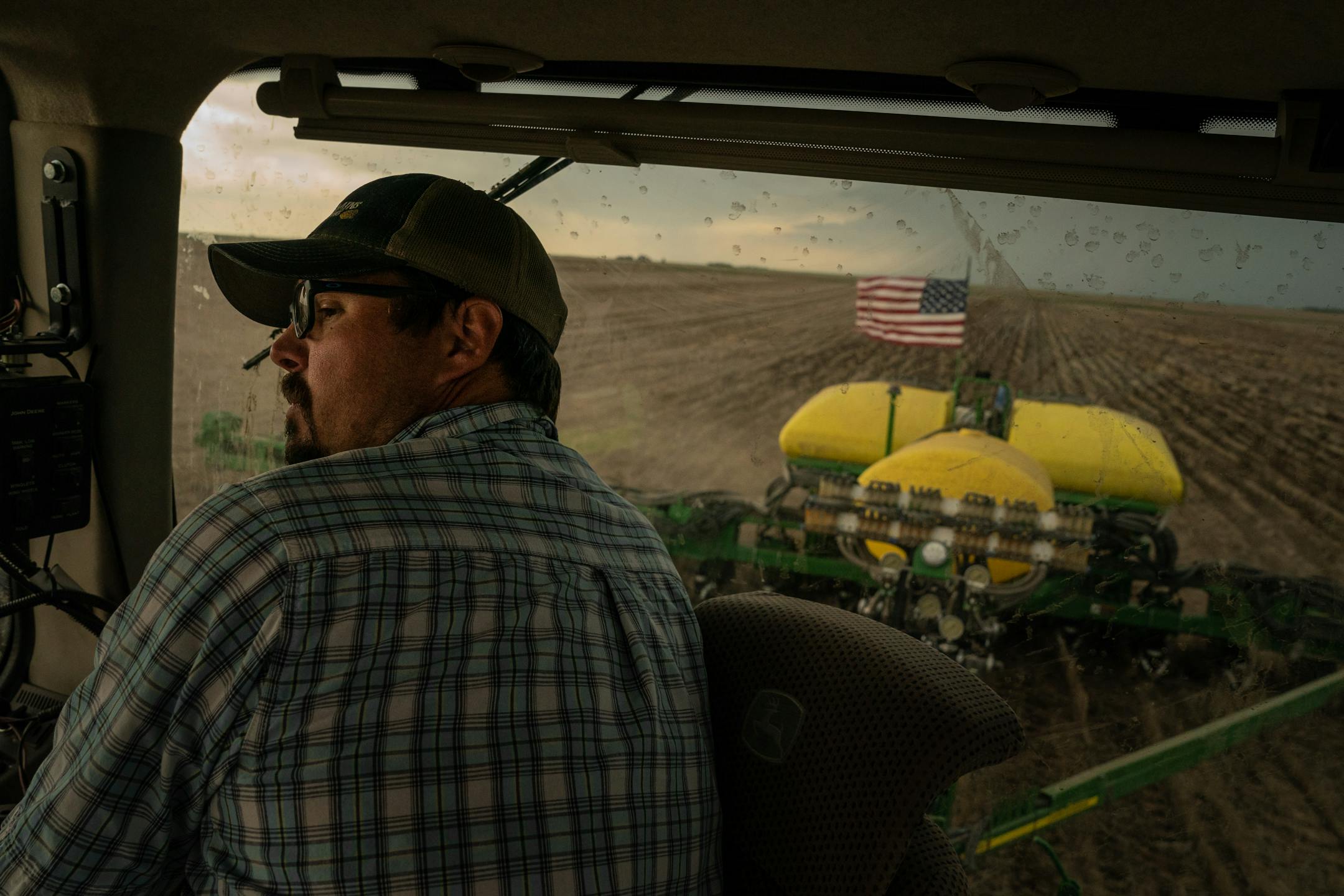
Groundwater loss is hurting breadbasket states such as Kansas, where the major aquifer beneath 2.6 million acres of land can no longer support industrial-scale agriculture. Corn yields have plummeted. If that decline were to spread, it could threaten America's status as a food superpower.
Fifteen hundred miles to the east, in New York state, overpumping is threatening drinking-water wells on Long Island, birthplace of the modern American suburb and home to working class towns as well as the Hamptons and their beachfront mansions.
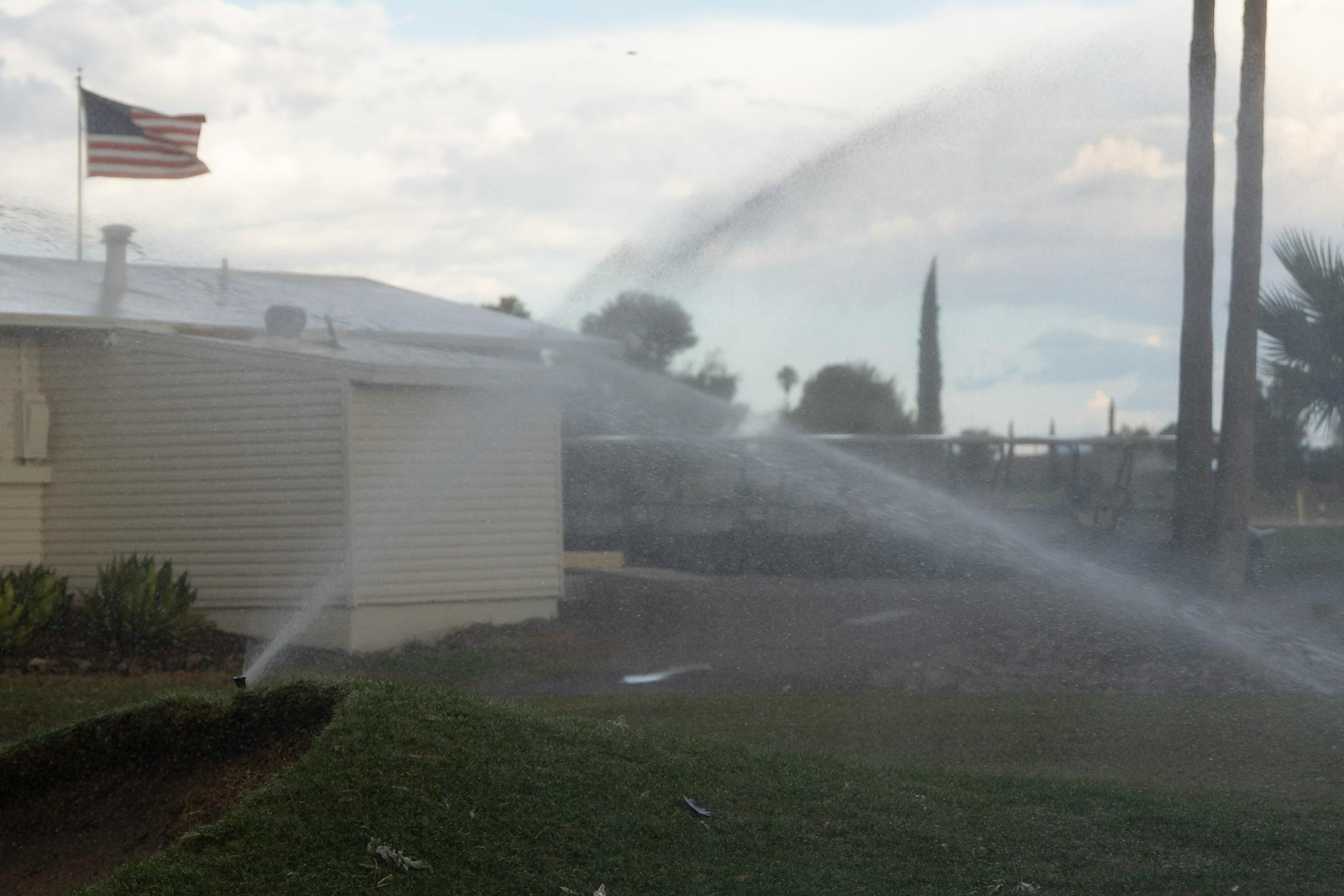
Around Phoenix, one of America's fastest growing cities, the crisis is severe enough that the state has said there's not enough groundwater in parts of the county to build new houses that rely on aquifers.
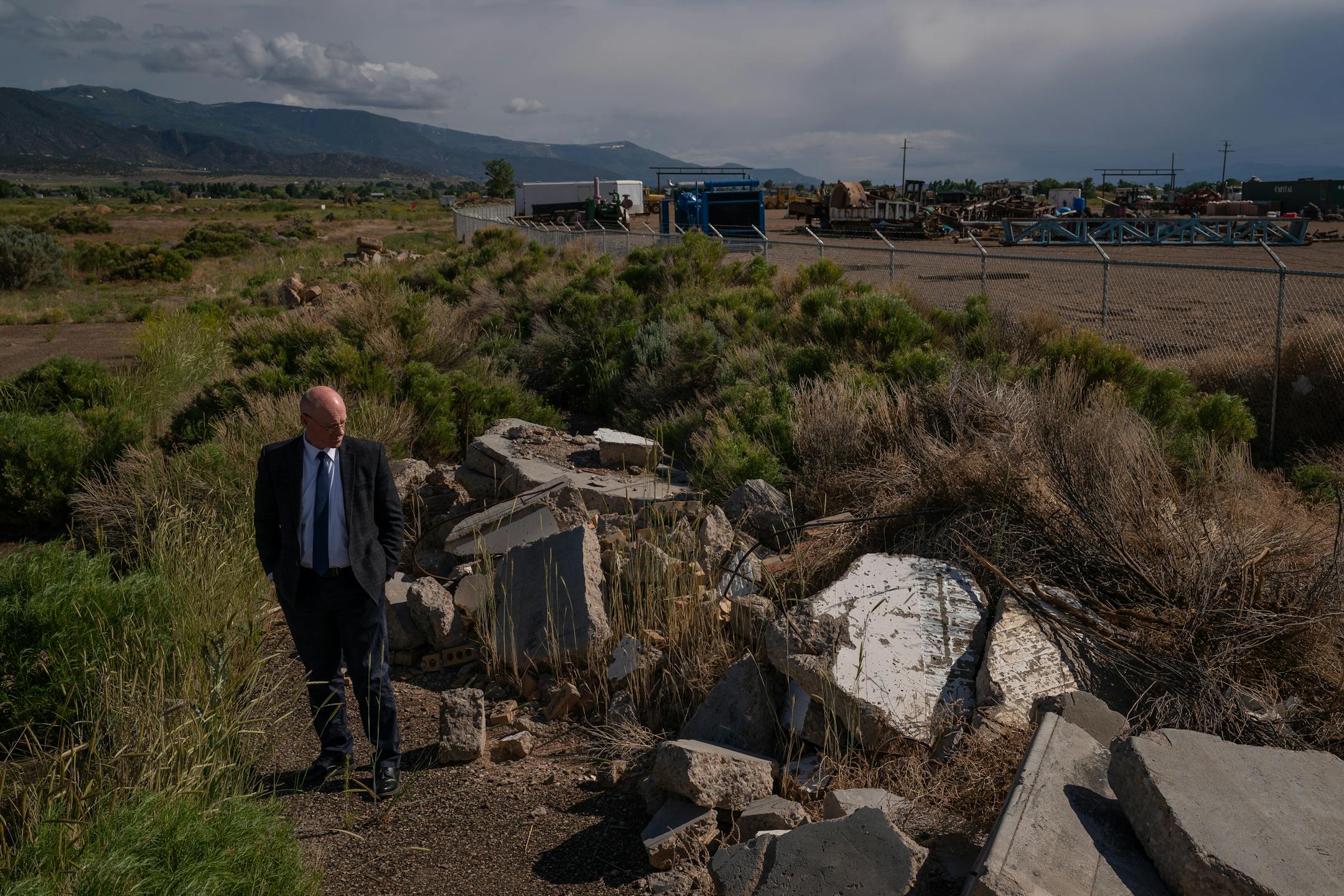
In other areas, including parts of Utah, California and Texas, so much water is being pumped up that it is causing roads to buckle, foundations to crack and fissures to open in the earth. And around the country, rivers that relied on groundwater have become streams or trickles or memories.