

Opinion editor’s note: Star Tribune Opinion publishes a mix of national and local commentaries online and in print each day. To contribute, click here.
•••
The United States is picking up new allies everywhere. Kenya just became its 19th so-called “major non-NATO ally,” a status that gives the country privileges in military procurement and cooperation but stops short of explicit security guarantees. Saudi Arabia, meanwhile, has reason to hope for the full monty, as it closes in on a mutual-defense pact with Washington.
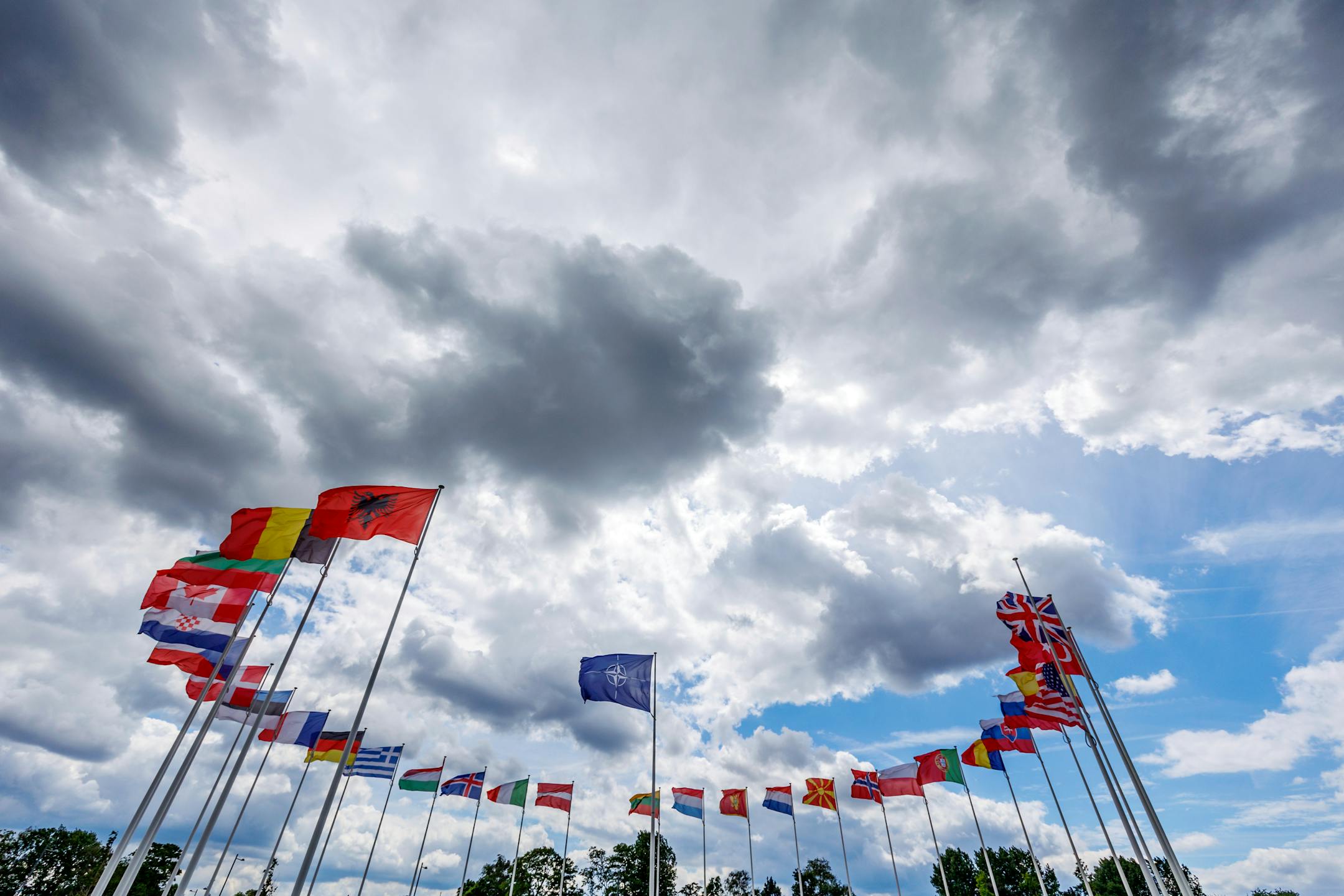
Those partnerships follow Sweden joining NATO as its 32nd member this year, and Finland as the 31st last year. And in the Indo-Pacific the U.S. is constructing new geometries among allies such as Japan, South Korea, Australia and the Philippines — into “trilaterals,” “quads” and other configurations, some with names (AUKUS, I2U2) that sound like characters in Star Wars sequels.
This proliferation of American alliances is not tangential, but central to the foreign policy of President Joe Biden. “America’s alliances are our greatest asset,” he intoned upon taking office. By that accounting, the U.S. balance sheet is looking stronger than ever.
Biden, of course, is also reacting to his neo-isolationist and undiplomatic (in the dual sense of lacking foreign-policy finesse and tact) predecessor in the White House. Donald Trump snubbed allies whom he considered to be freeloaders on American military prowess and spending, and even cast doubt on the mutual-defense guarantee that underpins NATO.
By contrast, Biden wants to reassure America’s friends, while deterring foes from testing Washington’s security commitments. (Notably, Ukraine, which is not an ally, was invaded; that explains why Kyiv is now pushing desperately for any kind of security pact with the U.S.)
In general, “internationalists” like me believe that Biden, rather than Trump, has the right instinct. In an increasingly multipolar world, in which China and Russia vie with the U.S. for global influence, it makes sense for Washington to have more friends rather than fewer. And at their best, America’s allies become cost-efficient vanguards of American power in distant places, from the Baltic to the South China Seas.


