

Opinion editor's note: Editorials represent the opinions of the Star Tribune Editorial Board, which operates independently from the newsroom.
•••
The mayor of an Iron Range community has a stark warning for Minnesota lawmakers: The state's ambulance services are in need of emergency aid themselves to stem steep financial losses from assisting patients.
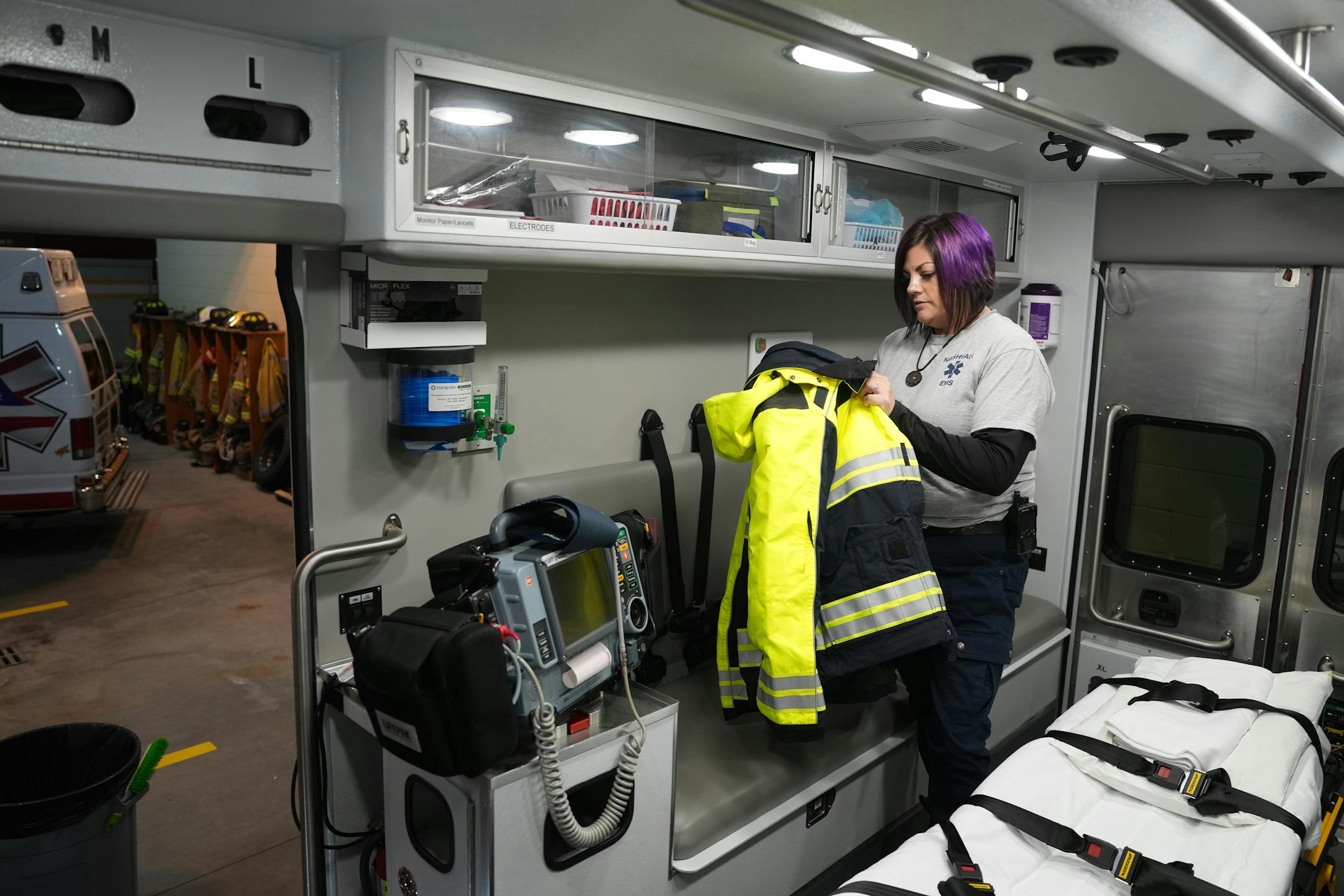
Calvin Saari has served as the mayor of Nashwauk, an Itasca County community with about 1,000 residents, since his 2018 election. One of his small city's biggest challenges is covering the shortfall between the cost of readiness — having ambulance and medical professionals ready to cover an area extending far beyond the city limits — and the inadequate reimbursement provided for this service, most notably by public medical programs.
For Medicare, which covers seniors, and medical assistance, which covers the needy, that deficit can run $1,000 or more per call in Nashwauk. Adding to the problem: There's no payment for calls that don't result in hospital transport. That leaves a city with an annual budget of $1.8 million "running $120,000-$130,000 in the hole every year," Saari told an editorial writer.
"You can't sustain that," he said, adding that "we can't wait any longer" for help. "It's critical we get quick action even if it's a temporary reprieve."
Unfortunately, too many Minnesota communities, many of them outside the metro area, are grappling with the same challenge, according to a Dec. 3 Star Tribune story. In 2022, ambulance services statewide billed insurers $1.2 billion but were paid about $450 million. Over 70% of ambulance services report financial losses, a disturbing reality requiring both short- and long-term remedies.
The Star Tribune Editorial Board has previously sounded the alarm about ambulance services. A 2022 editorial spotlighted the concerns of John Fox, a first responder from the southern Minnesota community of Dodge Center. Fox, who serves as the Minnesota Ambulance Association's secretary/treasurer, told an editorial writer then that both funding and staffing were at a "fracturing point" around the state.


