It's summertime, and this year at least, the livin' is languid. In fact, for those of us not enamored of onerous dew points, it has been too hot and muggy to do anything but read.
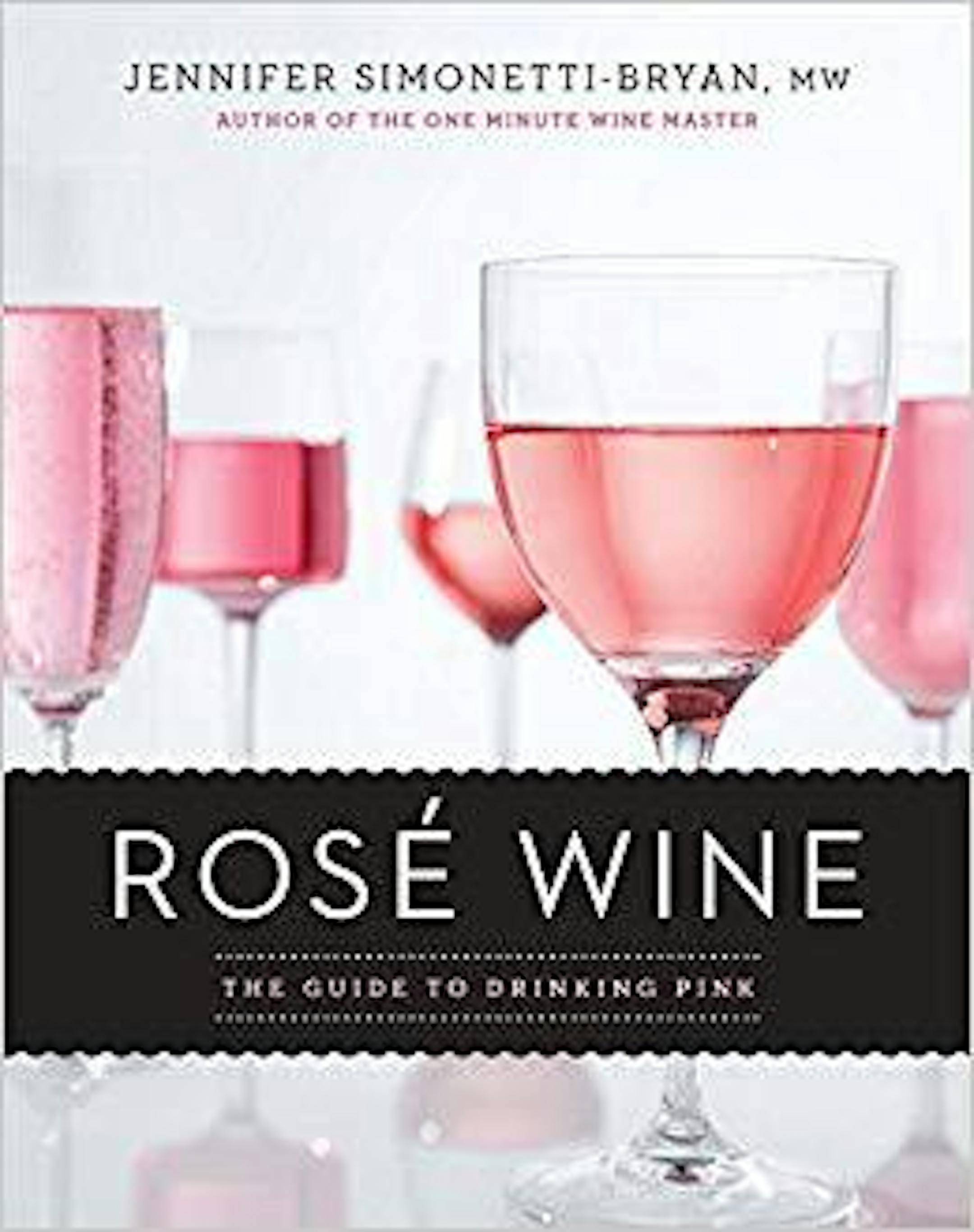
Fortunately, there's plenty of vinous offerings suited for the season: page-turning mysteries and thrillers, fascinating historical accounts, evocative looks at obscure grapes, even everything you wanted to know about rosé and weren't afraid to ask.
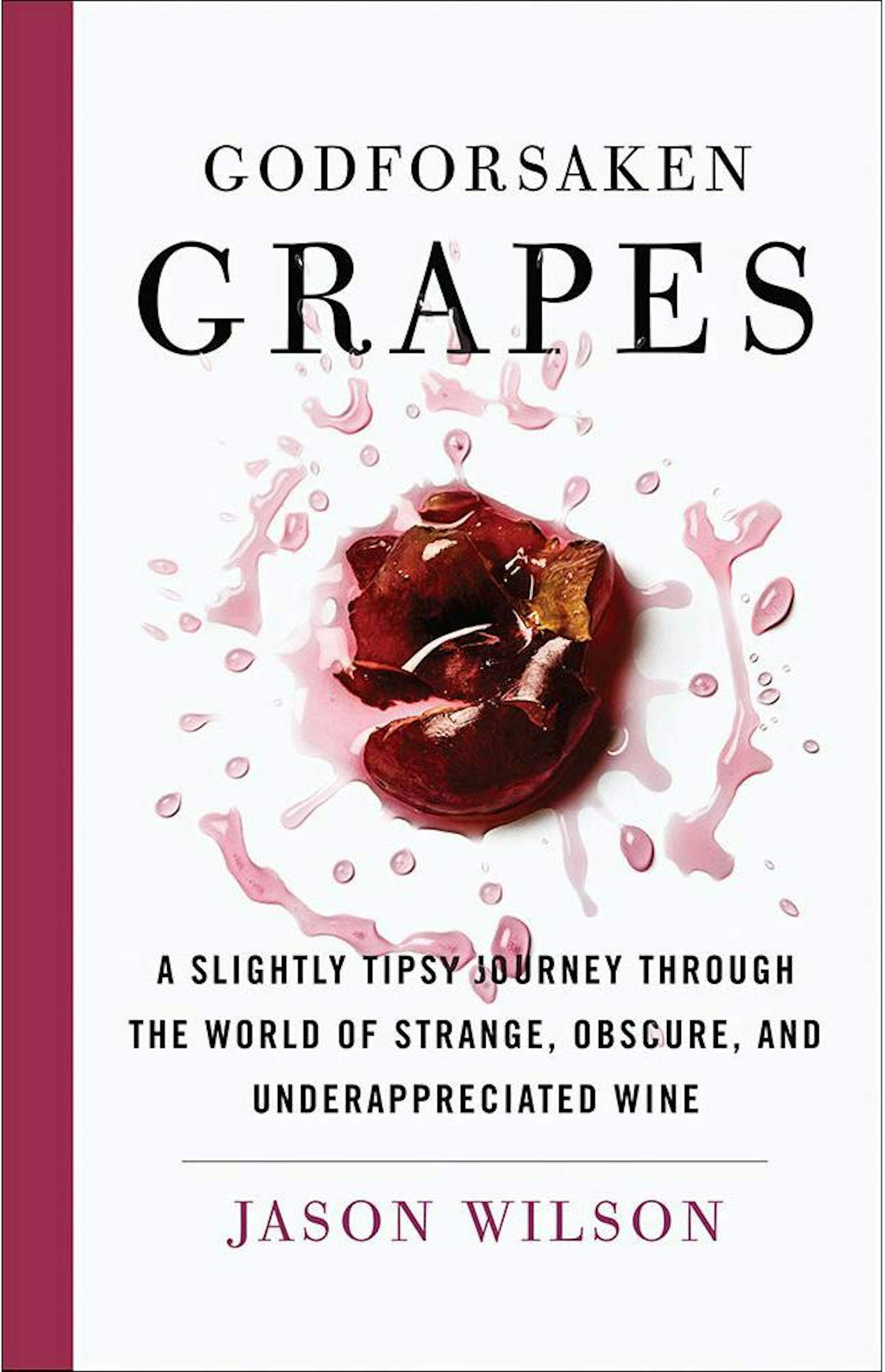
Some of these works didn't hit the shelves until this summer. Released last month, Jason Wilson's "Godforsaken Grapes" (Abrams Press, 320 pages, $26) is especially timely, delving deeply into lesser-known grapes that now are starting to pop up at local stores and shops.
Want to know more about rkatsiteli, roter veltliner, refosco, rotgipfler and other grapes whose names don't begin with "r"? Interested in whether "natural wine" is a new genre or how "noble rot" works (except when it doesn't)? Then this surprisingly entertaining and of course edifying volume — subtitled "A Slightly Tipsy Journey Through the World of Strange, Obscure, and Underappreciated Wine" — is for you.
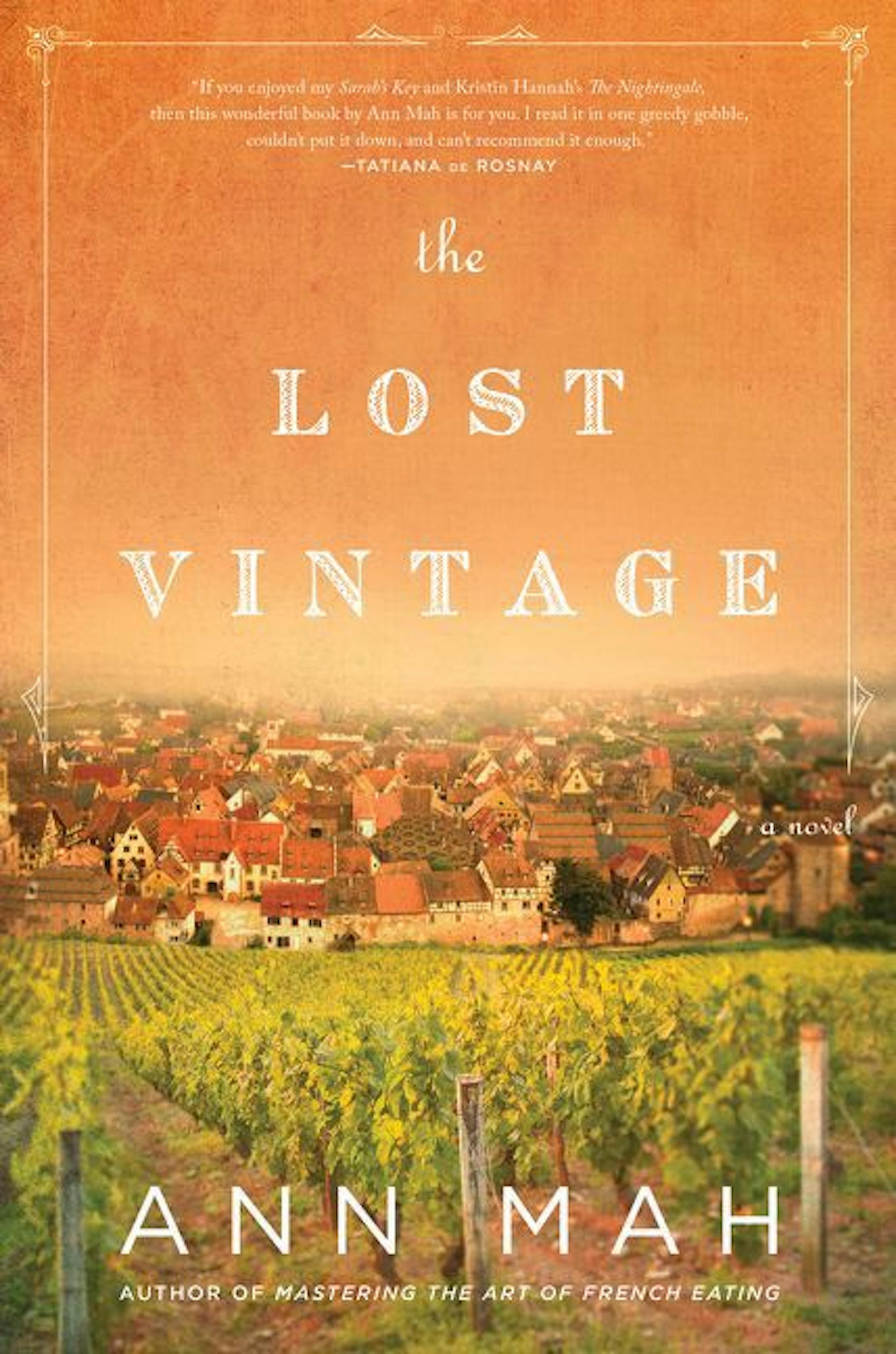
More traditional, and equally swell, summer reading can be had in Ann Mah's "The Lost Vintage" (William Morrow, 369 pages, $27). It's apropos that this novel is set in Burgundy, because it shares the layers, depth, nuance and structure of the wines from that region. It's the chronicle of a San Franciscan who returns to the vineyards her mother abandoned decades ago and soon learns that her family's (and their neighbors') history, especially during World War II, is layered with intrigue.
I would recommend enjoying this perpetually cliffhanging saga with a glass of Gevrey-Chambertin, but an even better pairing would be the all-time classic "Wine and War: the French, the Nazis, and the Battle for France's Greatest Treasure" (Broadway Books, 304 pages, $16). Don and Petie Kladstrup's thoroughly researched narrative examines how some of France's foremost vintners and their families coped with the Nazi occupation. Francophiles will renew their love for the French, and others will find newfound respect for these hardy, resourceful souls.
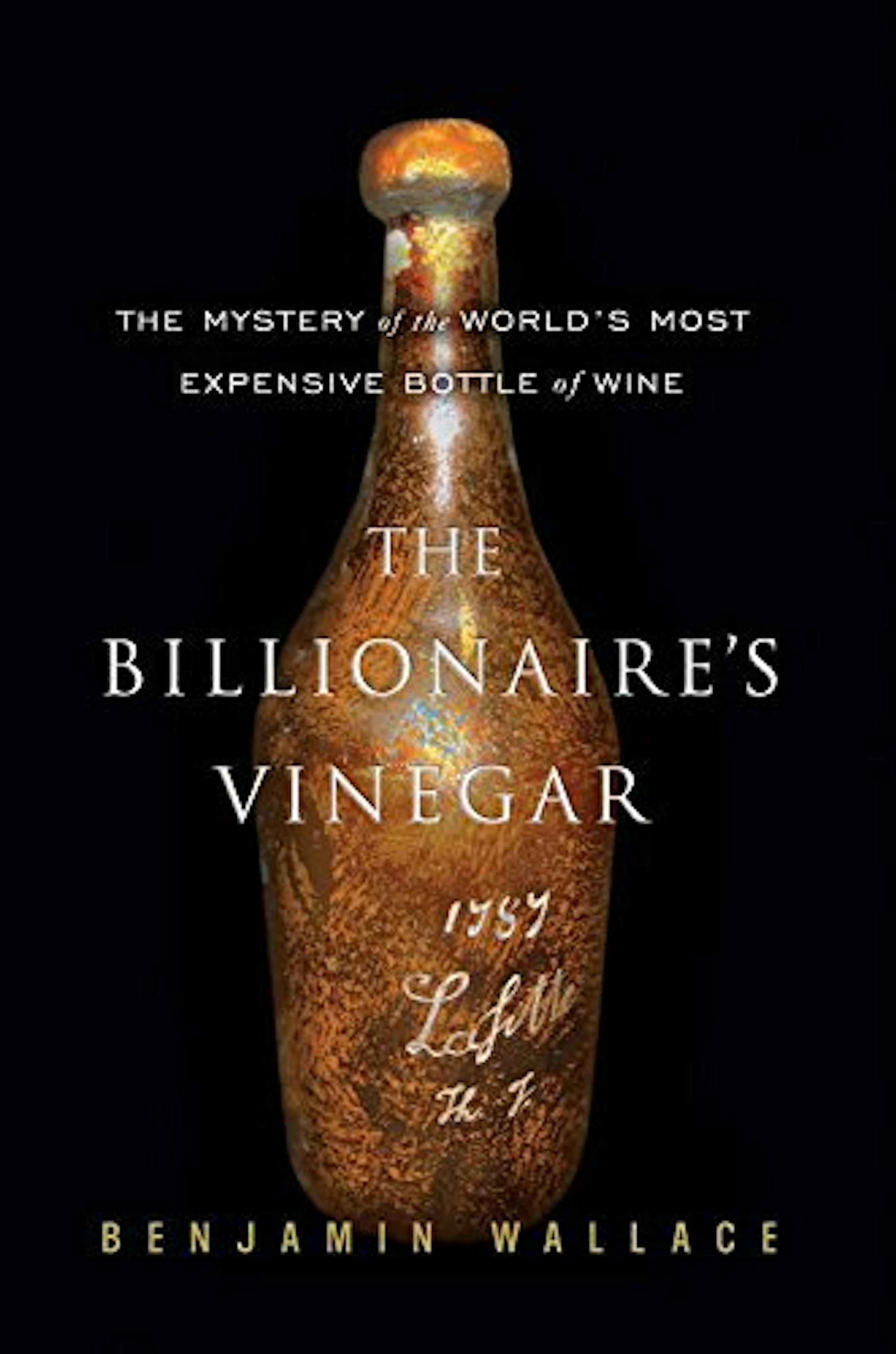
France is also the setting for part of Benjamin Wallace's magnificent "The Billionaire's Vinegar" (Three Rivers Press, 323 pages, $16). At the core of this epic account are some bottles of '87 Bordeaux (that would be 1787) that Thomas Jefferson brought across the pond, but this centuries-hopping potboiler offers some nefarious characters — including Hardy Rodenstock, who died recently, and one of the billionaire Koch brothers — and the wacky, is-there-anyone-here-to-root-for world of high-end wine auctions. Wallace's uncanny ability to bring long-gone people and inanimate objects to life would make Dan Brown levitate.
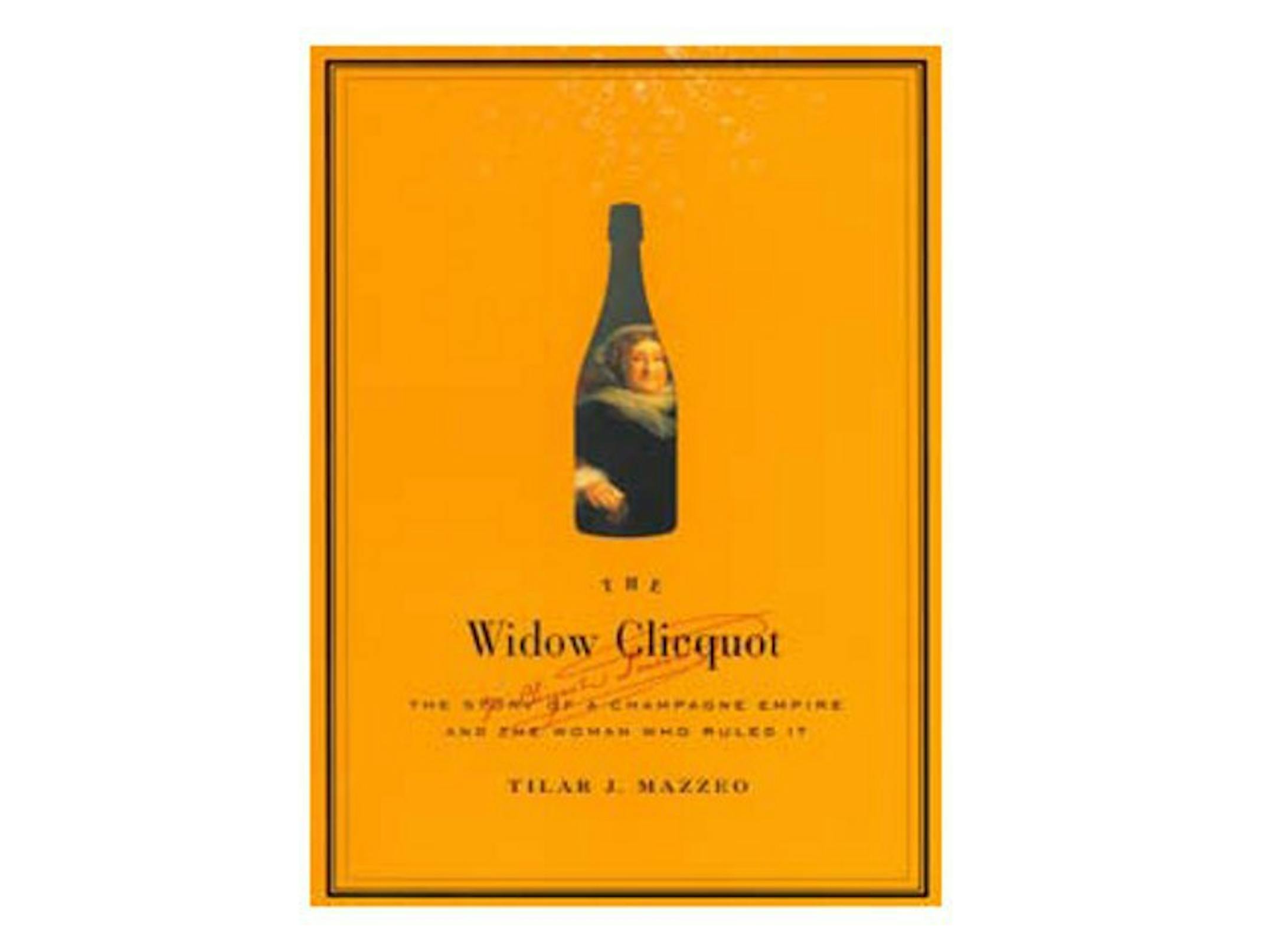
For those who favor straight biographies, we return to France for Tilar J. Mazzeo's "The Widow Clicquot: The Story of a Champagne Empire and the Woman Who Ruled It" (HarperBusiness, 304 pages, $17). As incessant wars felled many of the men who ran Champagne houses in the 19th and 20th centuries, it was left to their widows to keep the wineries running. Barbe-Nicole Clicquot Ponsardin is the very embodiment of these formidable females, and this retelling of her extraordinary life deftly avoids the pitfalls of the genre: hagiography and soap-opera sappiness.