

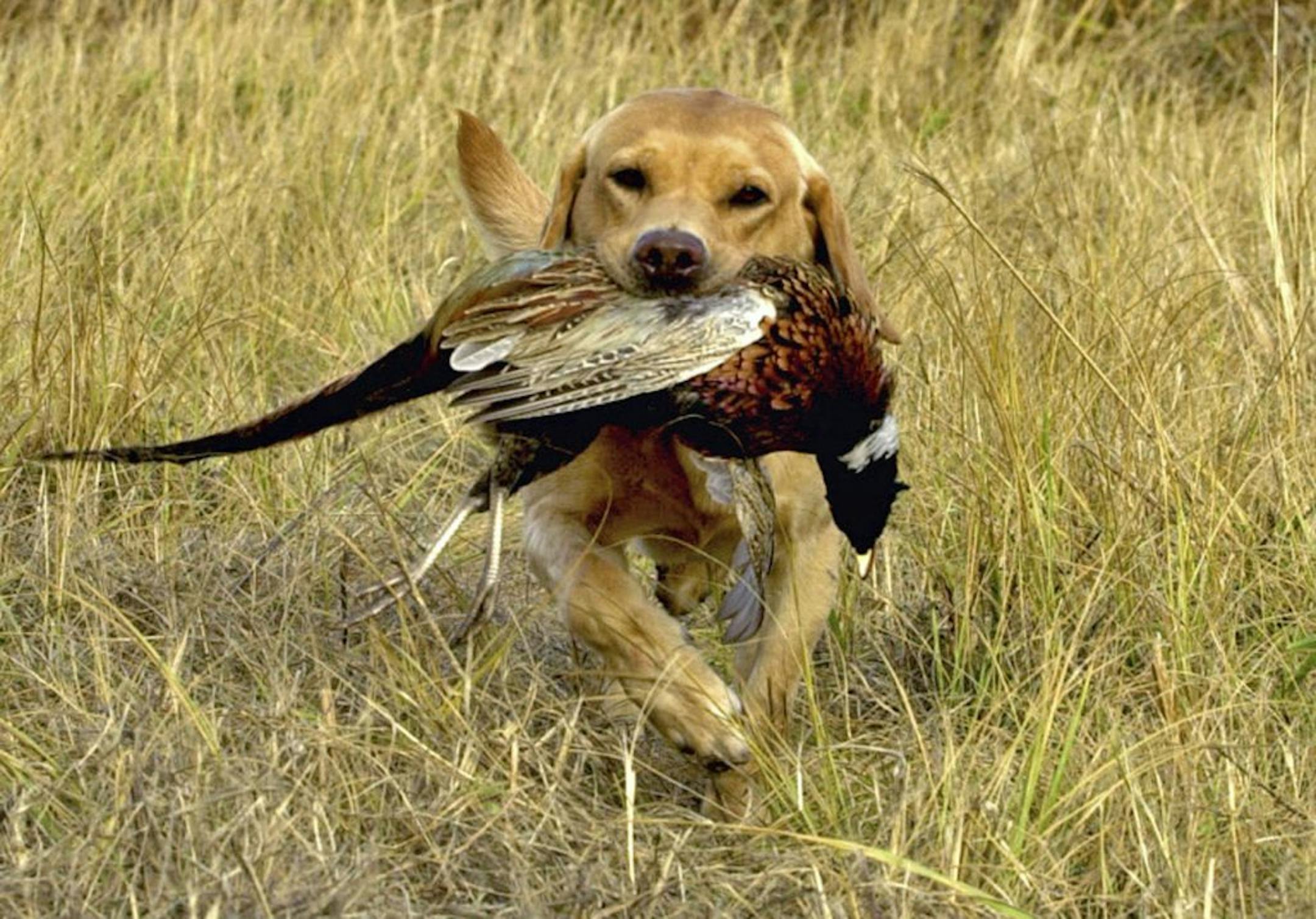
After being battered to record-low numbers by a brutal winter in 2010 and a cold wet spring in 2011, Minnesota's pheasants needed help in 2012.
A mild, almost nonexistent winter in the southwest -- the state's prime pheasant range -- gave pheasant hunters hope. But ringnecks also need dry, warm springs for optimum reproduction, and this spring has been wet, right?
Yes, from the vantage point of the Twin Cities, where rainfall is 8 inches above average. But western and southwestern Minnesota has been much drier. Rainfall this month is below average in much of the southwest.
Making wildlife officials cautiously optimistic that the pheasant population will rebound.
"We're seeing broods -- some are four to six weeks old and can fly, and others are smaller," said Wendy Krueger, Department of Natural Resources area wildlife manager at Slayton. "We're having a better [reproductive] season than last year."
Kurt Haroldson, assistant regional wildlife manager at New Ulm, and former state pheasant biologist, said he, too, is optimistic.
"For pheasant chicks, its prolonged cold wet weather that causes problems, and we haven't had much of that," he said. "It's been warm." Recent heavy rains may have killed some newborn chicks, Haroldson said, but DNR workers spraying weeds on wildlife areas have reported seeing good numbers of pheasant broods.
"We could produce a bunch of birds," he said.


