

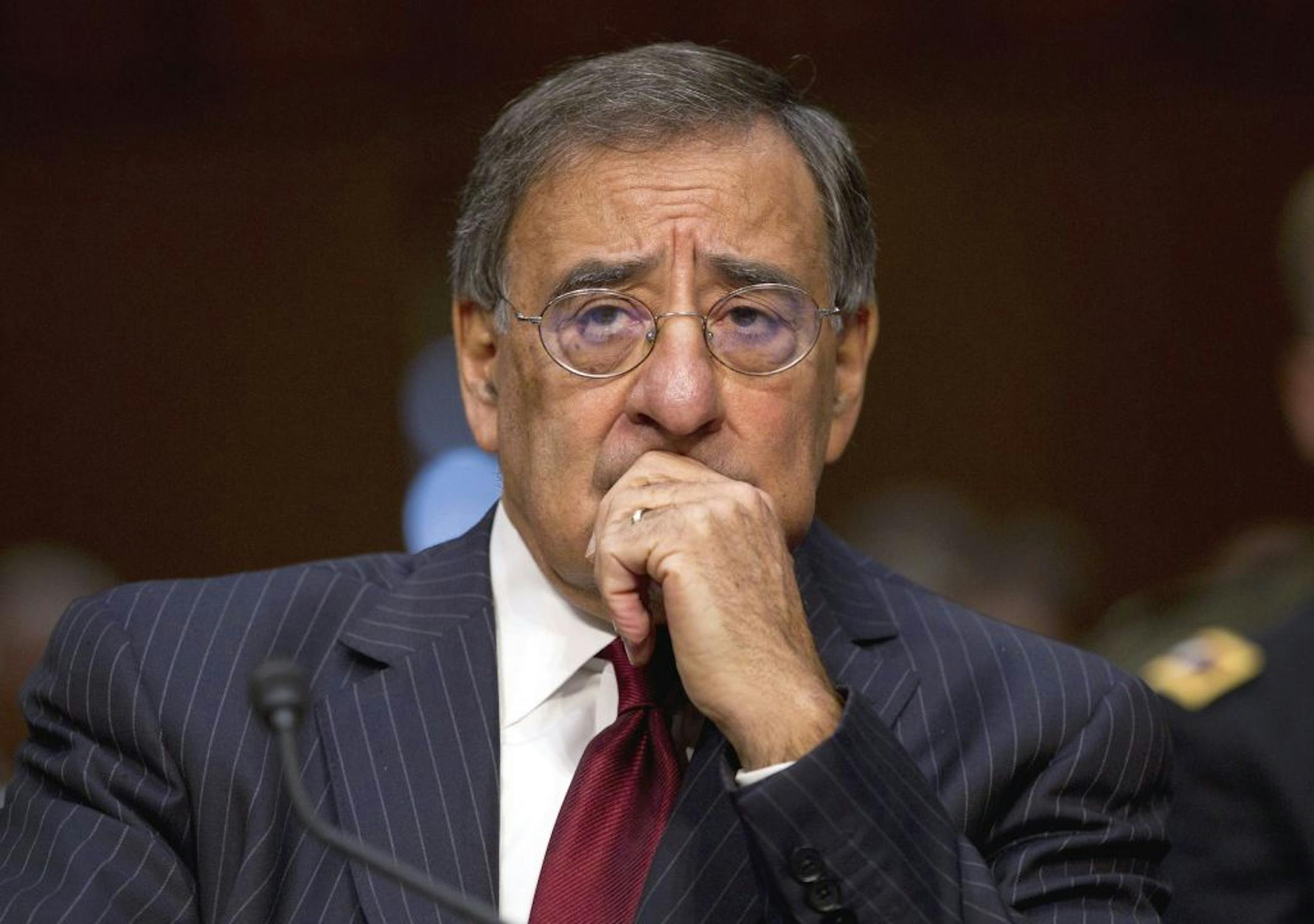
Secretary of Defense Leon Panetta is refreshingly frank, sometimes stunningly so. He outdid himself on a trip to Europe last week, telling a Washington Post columnist that he's worried Israel will attack Iran in April, May or June.
Some may surmise the secretary spoke out of turn, or was just trying to raise the heat on Tehran. But the straightforward Panetta meant what he said. And if he's worried about a possible Israeli attack this spring, Americans should be worrying, too.
All the more so, since U.S. officials believe that Israel may give Washington no warning, even though an Israeli strike could cause big trouble for the United States.
Unfortunately, the American public isn't worrying, because the immediacy of the issue hasn't been evident. Tough talk about Iran has become a mainstay in this election year, with Republican candidates competing to tout military action against Tehran.
President Obama, too, has insisted all options are on the table to prevent Iran from getting nuclear weapons. But the administration is focused on ratcheting up an unprecedented level of global sanctions and economic pressures on Tehran.
Many have dismissed the rhetoric from Israel as little more than an adjunct to that pressure. Not so.
There is another reason Americans have been slow to grasp that an Israeli attack may be coming. U.S. and Israeli officials concur that, while Iran is developing the capability to build nuclear weapons, it hasn't yet decided to do so.
The two countries also agree that it will take time to develop a weapon if a decision is made.


