

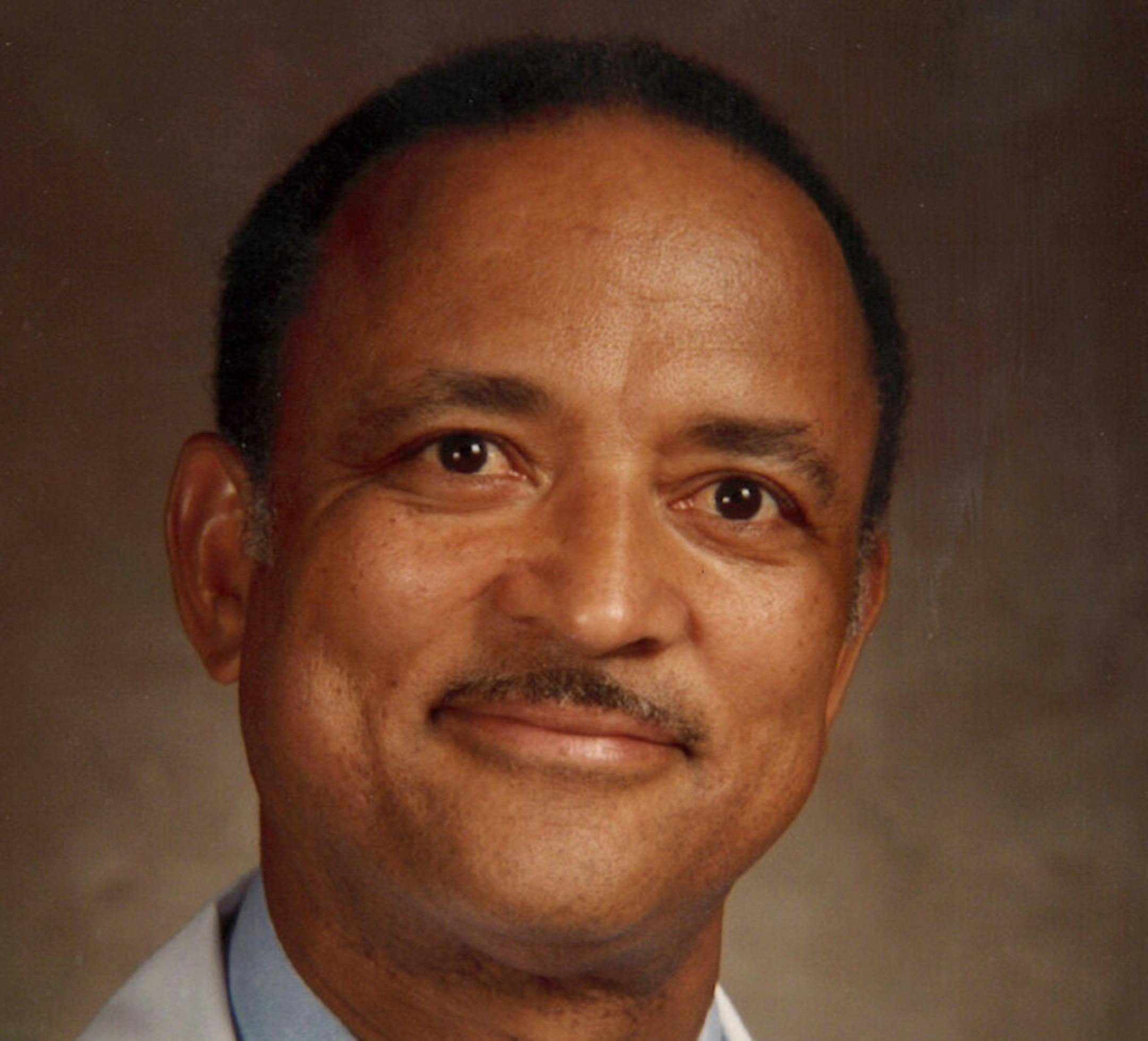
If you shake the family tree of Alphonsa "Al" Cannon, significant pieces of Black history will start to fall out.
Cannon's great-uncle Jasper Nall started a school for emancipated slaves in Alabama in the late 1800s and later dictated his memories for a book titled "Freeborn Slave: Diary of a Black Man in the South." Al's uncle Charles Cannon was a pilot taught by Alfred Anderson, who became the pioneering leader of the Tuskegee Airmen Program training Black pilots for the military.
Al Cannon himself was ahead of the times in the 1950s when he was hired to teach science at Roosevelt High School in south Minneapolis, then a predominantly white school. In 2018 he was inducted into the school's Hall of Fame, which also includes Medaria Arradondo, Minneapolis' first Black police chief.
"He was certainly a pioneer teaching school in a mixed environment," said his son Christopher, of Los Angeles. "He was a believer in education. It was pretty cool."
Cannon, 91, of Eagan, died of a heart attack on Oct. 24 at United Hospital in St. Paul. A nurse at the hospital told his son that she had been in his class, and broke into tears.
When Cannon was introduced at the Roosevelt Hall of Fame ceremony, the crowd jumped to a standing ovation. Cannon was so overwhelmed that he couldn't speak and gave the microphone to his son Kevin, who had flown in from Tucson.
Cannon was born in Corona, Ala., the son of a coal miner and a teacher. His son Chris said that education runs through their family.
Cannon earned a bachelor of science degree from Alabama State University in Montgomery and a master's degree in science education from Colorado State University in Fort Collins. He met his future wife, Jacqueline, when both were stationed at a military hospital in Colorado during the Korean War.


