

Opinion editor’s note: Editorials represent the opinions of the Star Tribune Editorial Board, which operates independently from the newsroom.
•••
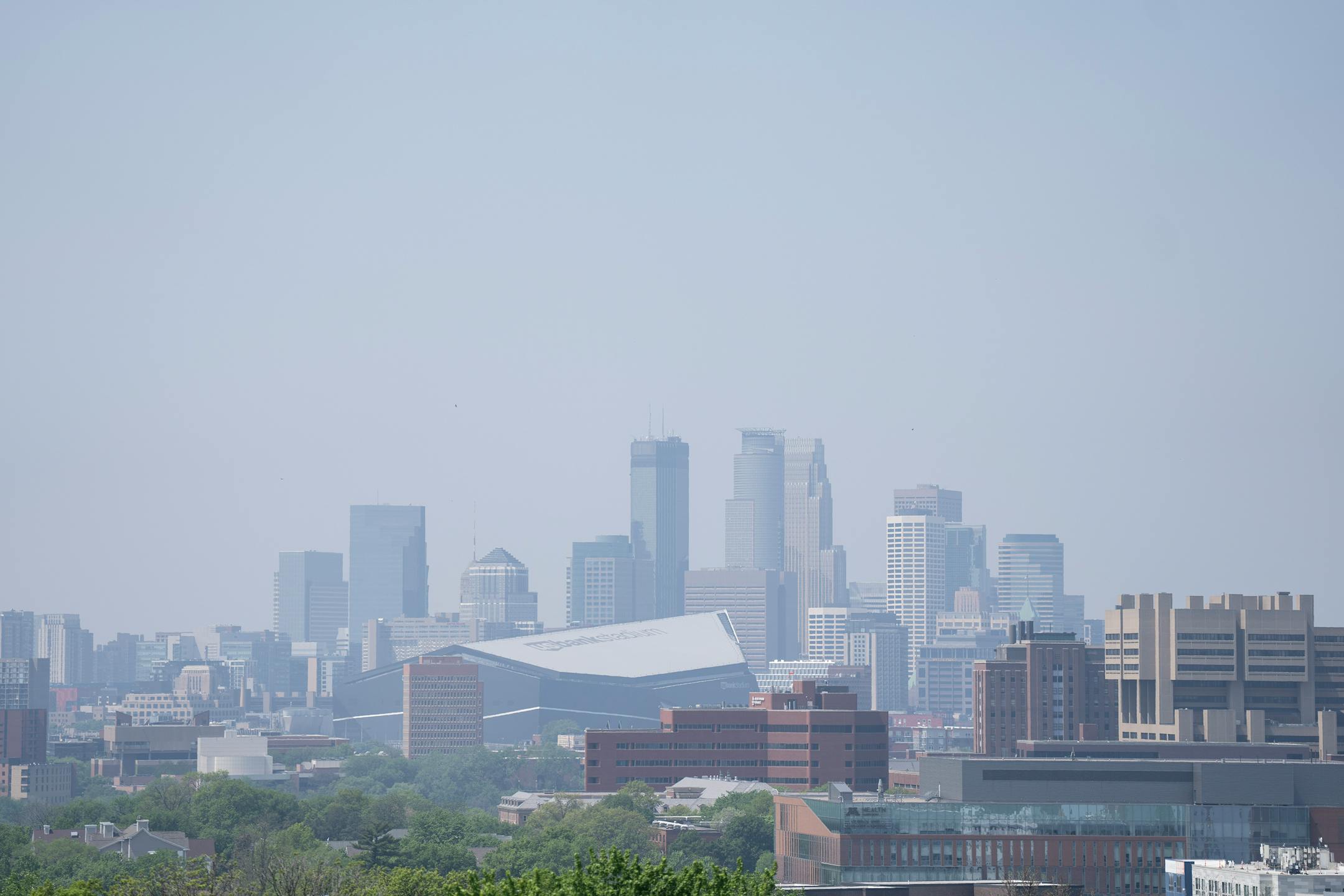
The sky over Minnesota was the subject of fascination and frustration over the weekend.
Awe over solar-storm triggered northern lights turned to “Aw, not again!” over an air quality alert sparked by smoke drifting from wildfires in western Canada.
The red alert — a condition considered unhealthy for all — issued by the Minnesota Pollution Control Agency was the first for 2024, following a record-setting 2023, when 21 such alerts were declared because of seemingly endless western forest fires.
The smoky air isn’t just a nuisance, ruining a deceivingly delightful sunny Sunday afternoon and early Monday. It can be dangerous, especially to kids, older adults and people with respiratory concerns, as well as other vulnerable groups. In fact, recent research from the Centers for Disease Control and Prevention indicates that there were 15 more emergency room visits related to heart attacks per day in the Midwest during last summer’s worst days of wildfire smoke.
Those wildfires, and the resulting cross-continent plume of dangerous smoke, are yet another indicator of the direct and indirect effects of climate change.
And in some ways, it’s “climate change plus,” Jessica Hellmann, executive director of the University of Minnesota’s Institute on the Environment, told an editorial writer. “The changing climate is an important variable” in the wildfires since warmer winters and springs mean the fire season now starts earlier. And the intensity of drought in western Canada is “definitely a climate change signal.” (Fire management challenges also play a role, Hellmann added.)


