Finding the tomb of an ancient king full of golden artifacts, weapons and elaborate clothing seems like any archaeologist's fantasy. But searching for them, Gino Caspari can tell you, is tedious.
Caspari, a research archaeologist with the Swiss National Science Foundation, studies the ancient Scythians, a nomadic culture whose horse-riding warriors terrorized the plains of Asia 3,000 years ago. The tombs of Scythian royalty contained much of the fabulous wealth they had looted from their neighbors, making them popular targets for robbers; Caspari estimates that more than 90% of them have been destroyed.
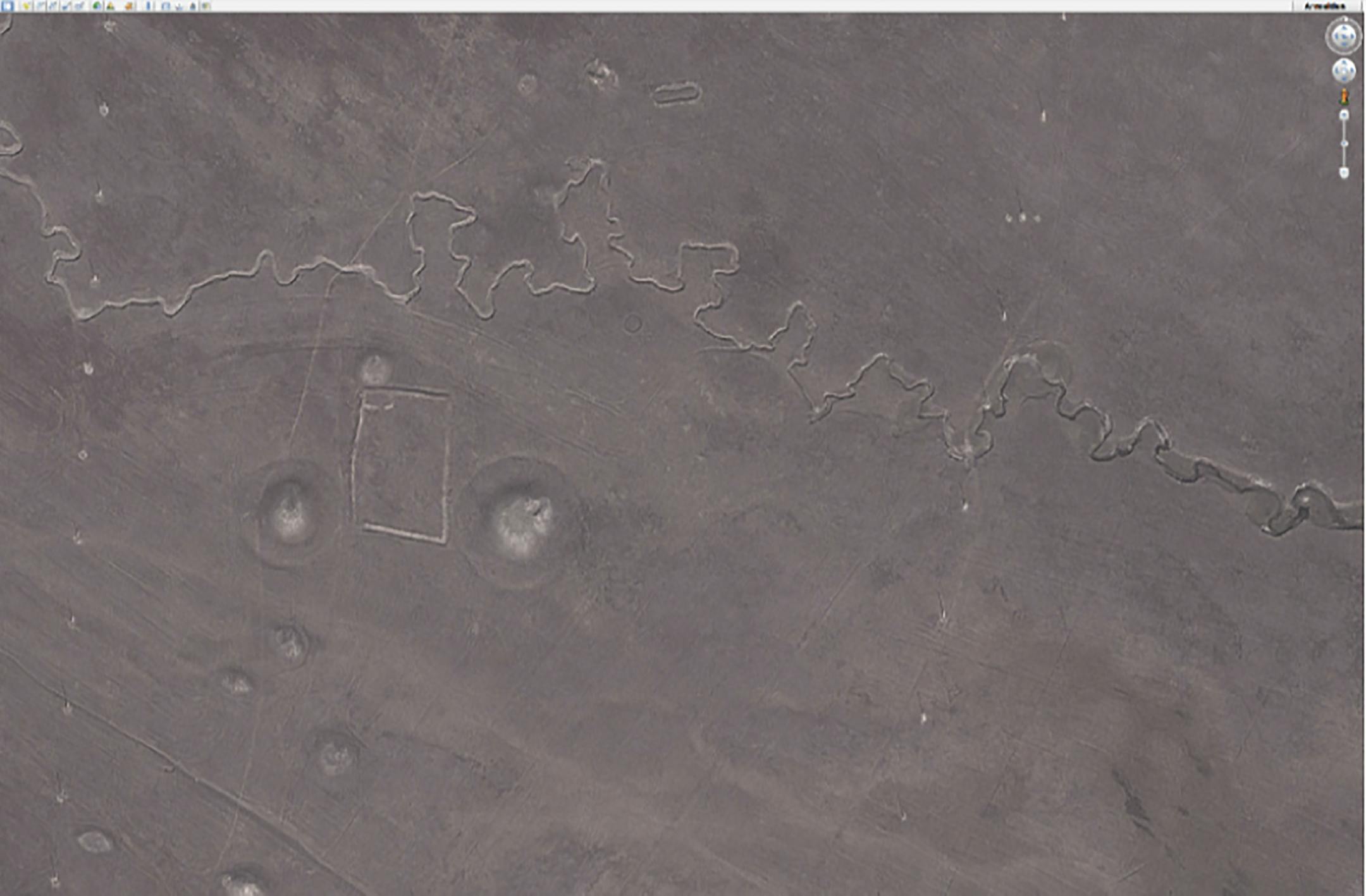
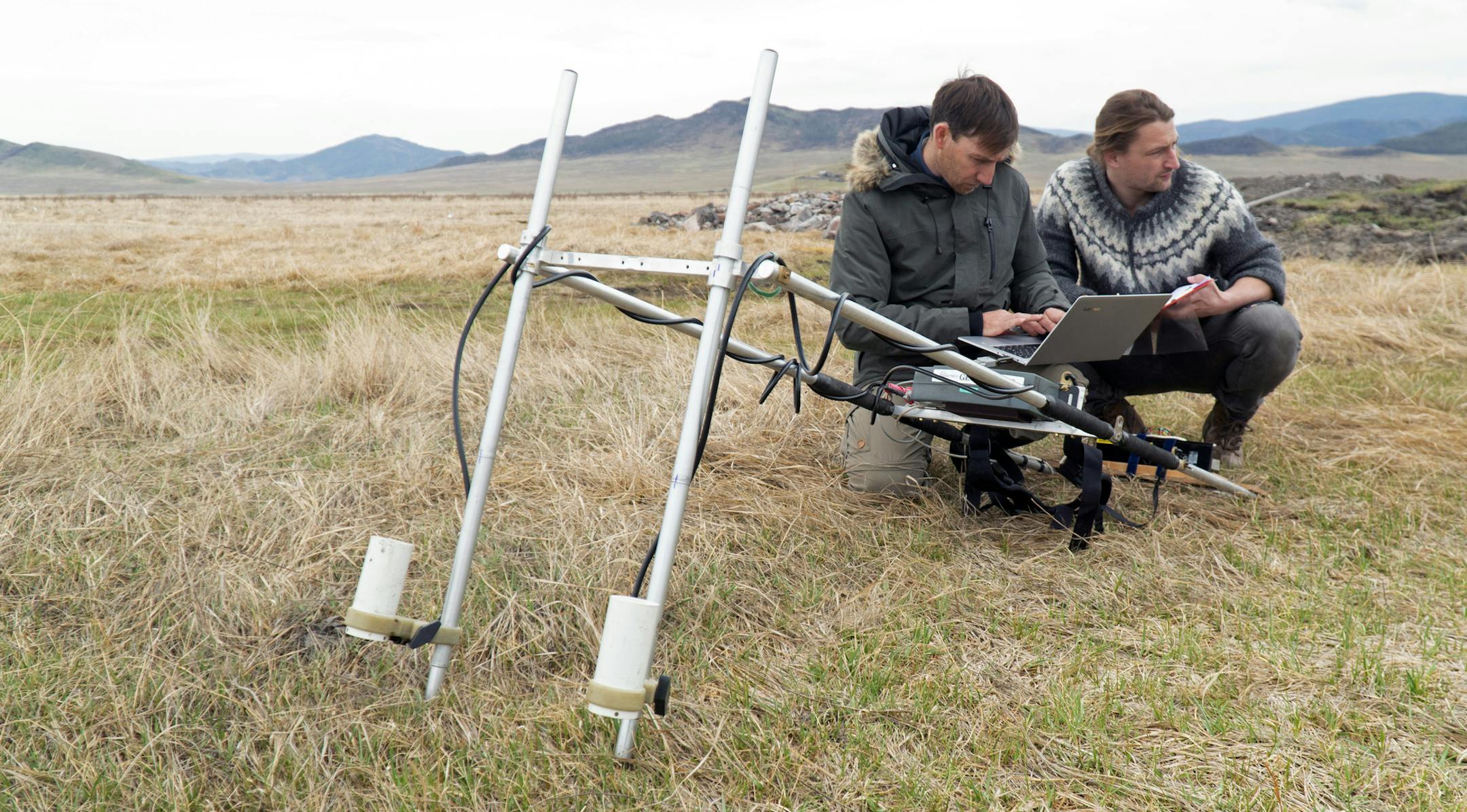
He suspects that thousands of tombs are spread across the Eurasian steppes, which extend for millions of square miles. He had spent hours mapping burials using Google Earth images of territory in what is now Russia, Mongolia and Western China's Xinjiang province. "It's essentially a stupid task," Caspari said. "And that's not what a well-educated scholar should be doing."
As it turned out, a neighbor of Caspari's in the International House in Manhattan had a solution. The neighbor, Pablo Crespo, at the time a graduate student in economics at City University of New York who was working with artificial intelligence to estimate volatility in commodity prices, told Caspari that what he needed was a convolutional neural network to search his satellite images for him. Over beers, they began a collaboration that put them at the forefront of a new type of archaeological analysis.
A convolutional neural network, or CNN, is a type of artificial intelligence that is designed to analyze information that can be processed as a grid; it is especially well suited to analyzing photographs and other images. The network sees an image as a grid of pixels. The CNN that Crespo designed starts by giving each pixel a rating based on how red it is, then another for green and for blue. After rating each pixel, the network begins to analyze small groups of pixels, then successively larger ones, looking for matches or near-matches to the data it has been trained to spot.
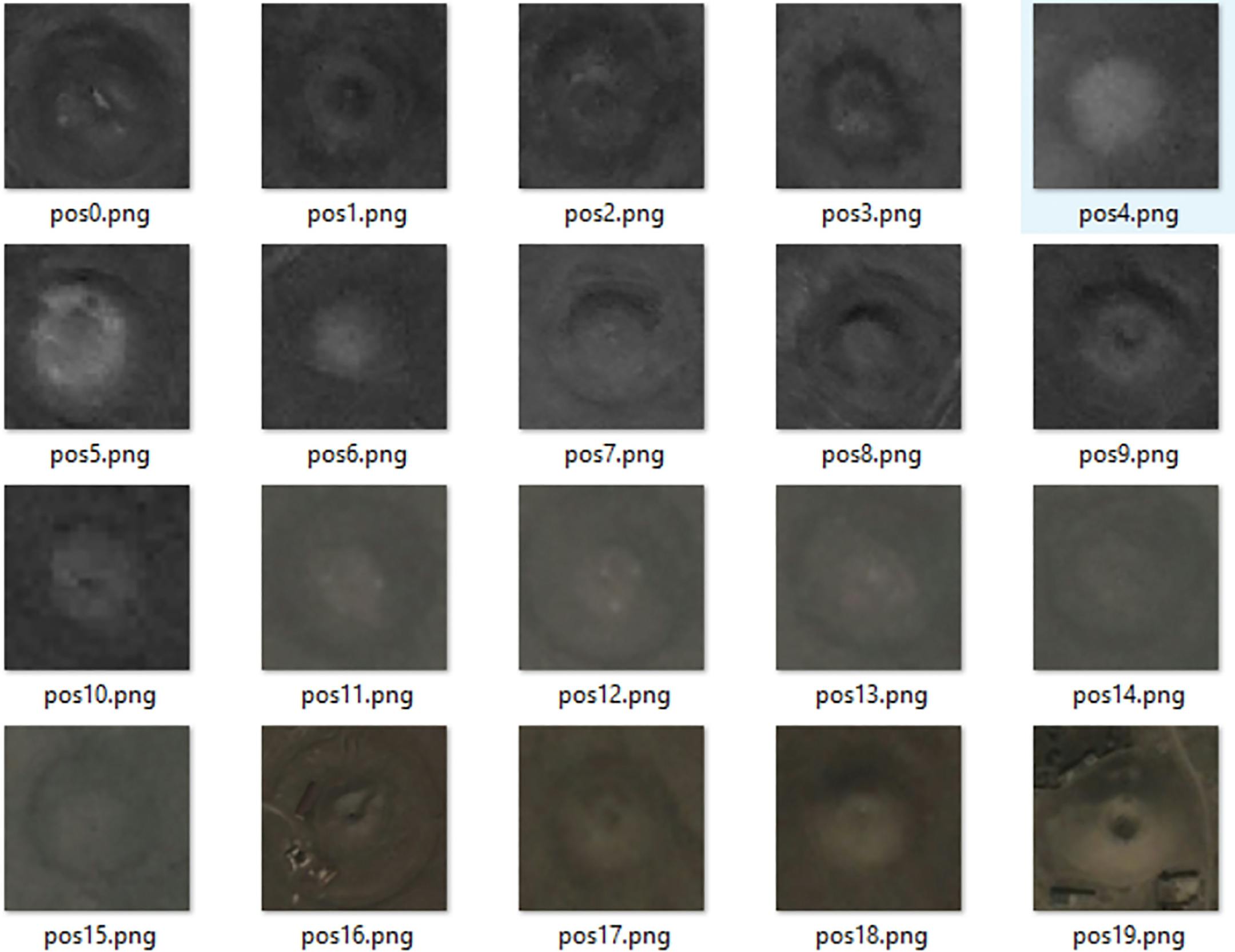
Working in their spare time, the two researchers ran 1,212 satellite images through the network for months, asking it to look for circular stone tombs and to overlook other circular, tomblike things such as piles of construction debris and irrigation ponds.
At first they worked with images that spanned roughly 2,000 square miles. They used three-quarters of the imagery to train the network to understand what a Scythian tomb looks like, correcting the system when it missed a known tomb or highlighted a nonexistent one. They used the rest of the imagery to test the system. The network correctly identified known tombs 98% of the time.
Creating the network was simple, Crespo said. He wrote it in less than a month using the programming language Python and at no cost. Caspari hopes that their creation will give archaeologists a way to find new tombs and to identify important sites so that they can be protected from looters.