

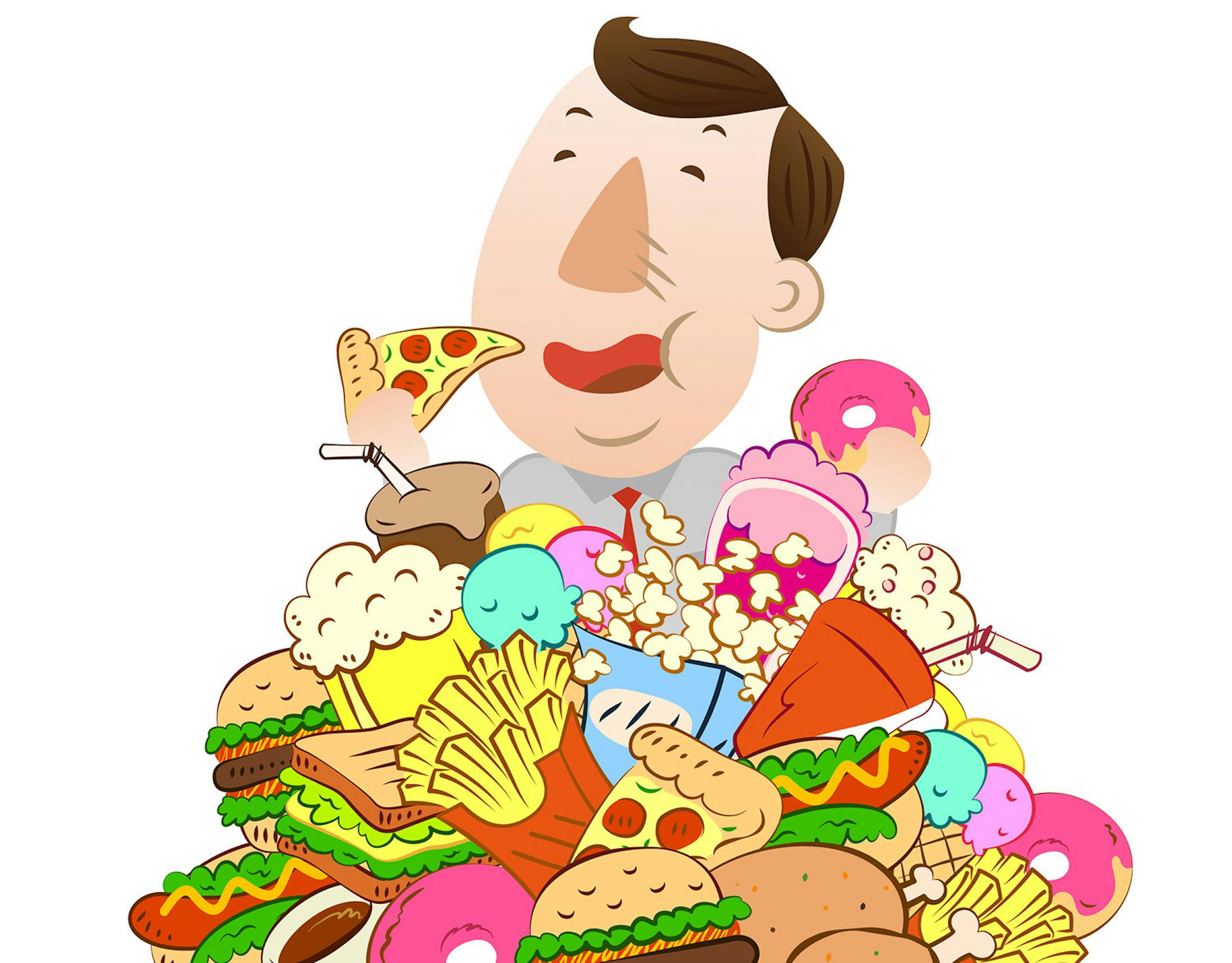
On Thursday, hundreds of millions of Americans risked obesity, heart disease and indigestion by eating large quantities of food with no precise knowledge of the caloric content. If many of them felt regret on Friday, it was not because they were duped into overeating by the absence of nutritional data.
This may seem odd to the federal government, which has decreed that chain restaurants, convenience stores, vending machines and groceries shall provide information that most people don't care about and won't heed. The Food and Drug Administration (FDA) acted on a provision of the Affordable Care Act mandating more nutritional labeling, and it took an aggressive interpretation of its authority: The mandate also includes movie theaters, vending machines and bars.
Even supporters were stunned by the FDA's ambition. "I'm amazed," New York University nutrition professor Marion Nestle told the New York Times. "It never occurred to me that alcohol would make it in." Now when you start knocking back mojitos during happy hour, you'll be able to calculate the exact impact on your waistline.
The FDA rule rests on a faith that the truth will make you slim. Advocates of this approach, the most notable being former New York Mayor Michael Bloomberg, think unwise eating habits stem from insufficient transparency on the part of food providers, which can be overcome by rules forcing them to lift the veil.
Let the agency speak for itself, in a parody of bureaucratic logic worthy of the Onion. "Consumers can systematically make suboptimal dietary choices because they discount future health consequences relative to immediate benefits more than they would if they chose according to their underlying or true preferences, leading them to regret their choices at a later date," it says.
Interference from Washington is essential, the FDA argues, because "changes in labeling may increase internalization of future costs into current decisionmaking by making the long-term health consequences of consumer food choices more salient and by providing contextual cues of food consumption."
A simpler way to put this is that people often eat and drink things they find appealing and only later wish they hadn't — which doesn't mean they wouldn't do exactly the same thing if they had to do it over again.
Or, for that matter, if they had more information. Under Bloomberg, chain restaurants in New York had to put calorie information on menus, but consumers mostly tuned it out.


