One by one, the procession began Friday.
On the first day of Minnesota's state government shutdown, nearly two dozen social service providers lined up and argued that they supply critical services and should keep getting state money. After more than nine hours of hearings -- with more to come next week -- the line included representatives for everything from battered women's shelters and chemical treatment centers to the Minnesota AIDS Project and the Minnesota School Board Association.
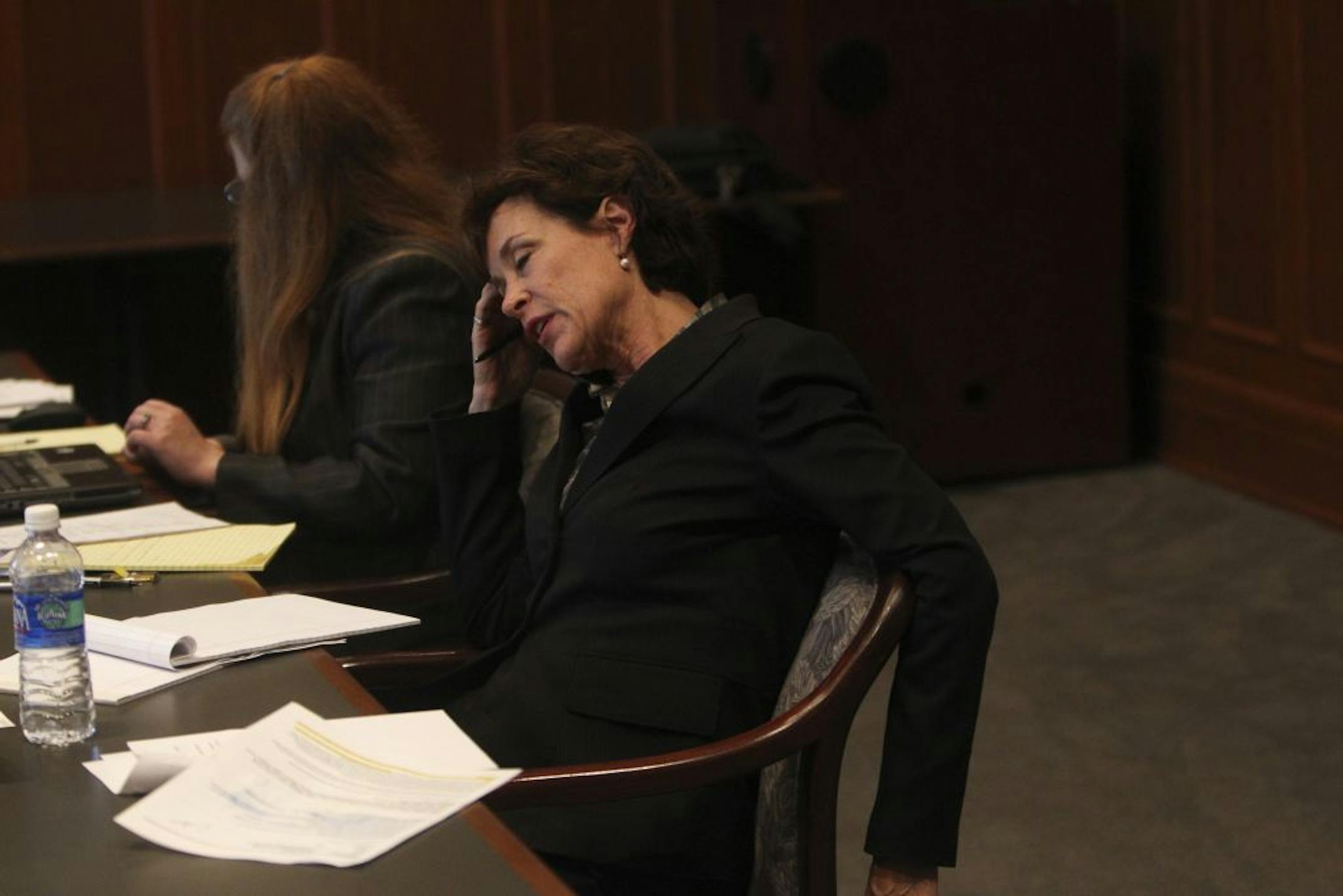
All took their seats before Kathleen Blatz, a former state Supreme Court chief justice appointed as a special master to hear the pleadings. Blatz promised to have her first recommendations as early as Sunday.
In some instances, she said she had heard enough. "I thought they made a strong argument here today that they were" a critical state service, Blatz said after Southern Minnesota Regional Legal Services made its case.
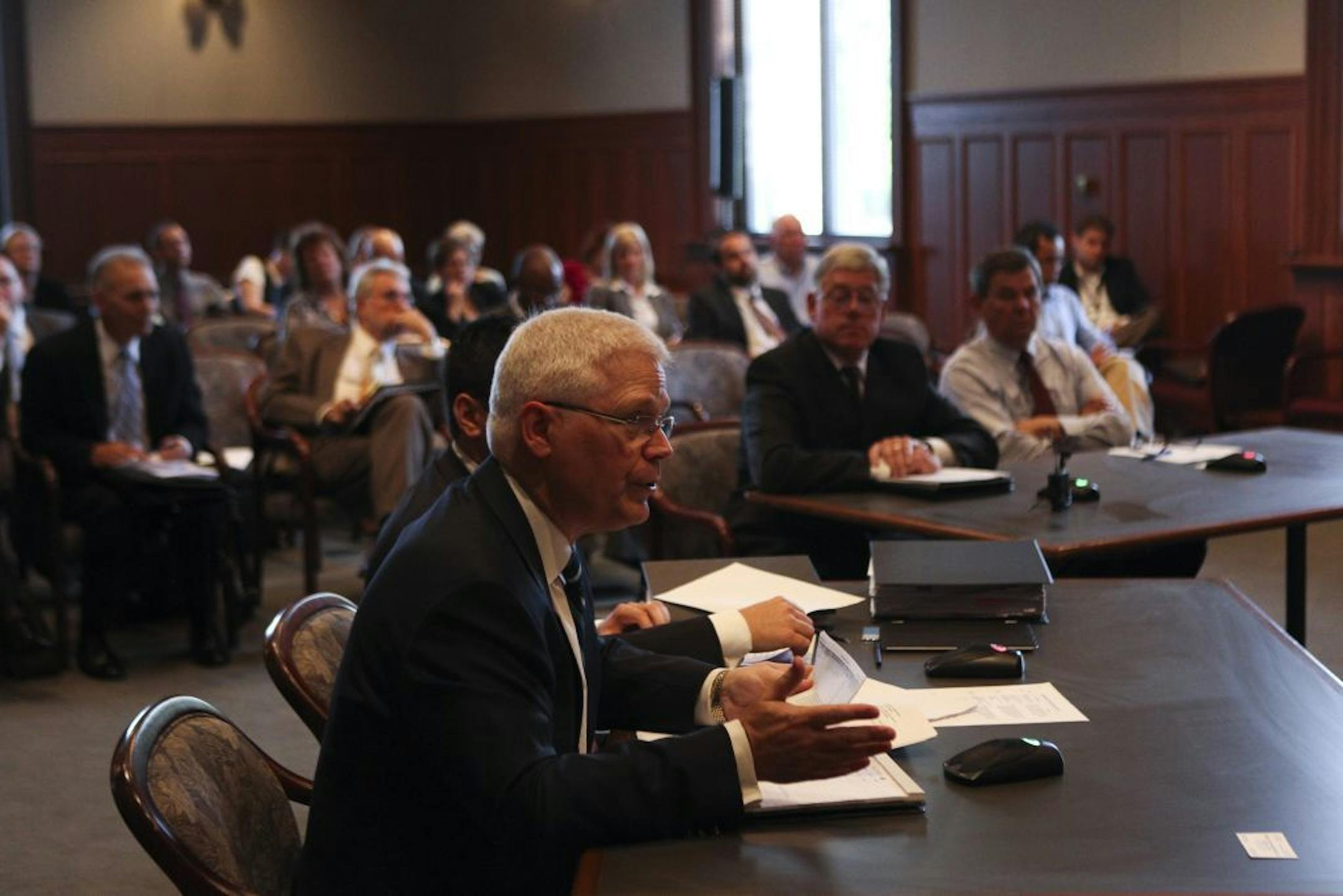
But many providers will have to wait until she hears more from Attorney General Lori Swanson and David Lillehaug, an attorney for Gov. Mark Dayton. Swanson and Lillehaug clashed at times Friday over what services should be viewed as essential. Swanson and Lillehaug also argued on occasion over how much legal elbow room Blatz had been given by a judge to define core services.
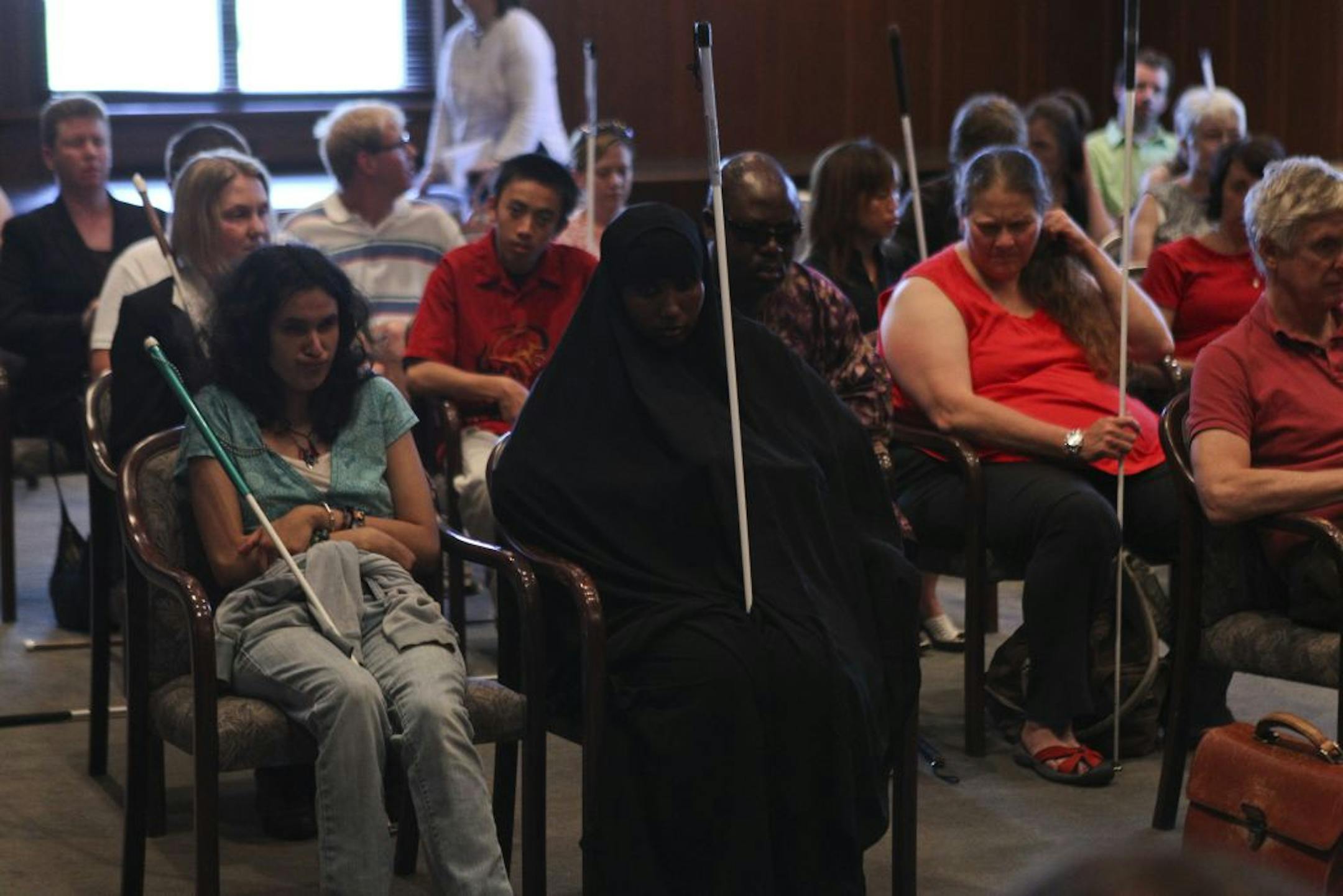
Although Friday's testimony mainly involved attorneys and program administrators, people in wheelchairs, blind people, refugees from Burma and others appeared before Blatz.
"I don't mean to scare you," said Julie Tate of Minneapolis, who sat before Blatz in a wheelchair and lobbied for state funding for Vail Place, a community-based mental health program serving 1,700 adults in Hennepin County. "[But I] feel suicidal most of the time."
After Tate and officials from Vail Place spoke, Maureen O'Connell, assistant commissioner for chemical and mental health services at the Department of Human Services, went to them. "I want to assure you we think your services are very, very important," she said.