

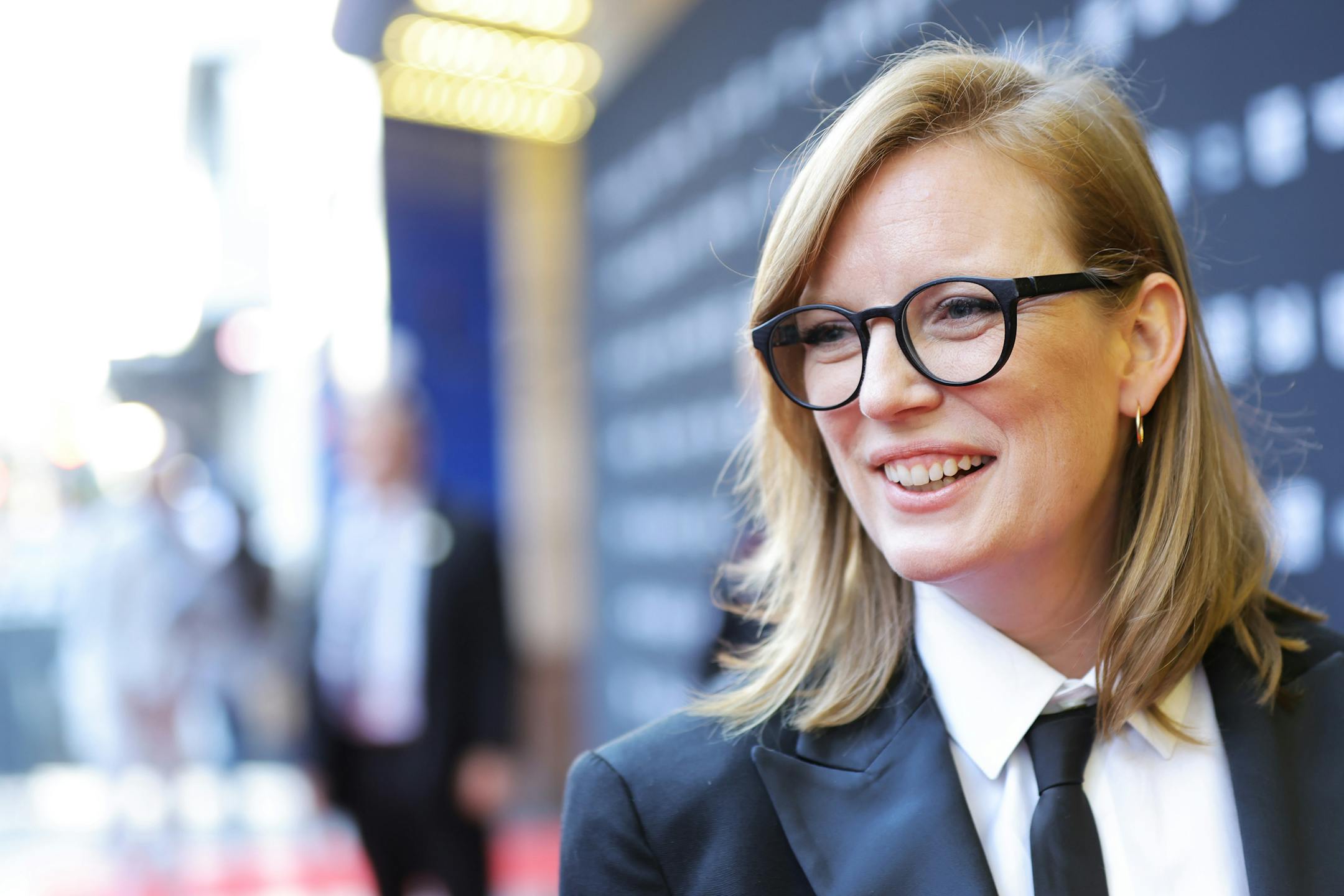
It's fun to speak with actor/writer/director Sarah Polley about "Women Talking" because she clearly believes that although the movie is finished, the process is not.
Polley's films include "Away From Her" (her screenplay was an Oscar nominee) and "Stories We Tell" (a documentary about her family's many secrets), but she is best known for dozens of acting roles, beginning as a child. She read Miriam Toews' novel "Women Talking" when it came out four years ago and has been working on the film, which hits theaters Friday, for two years. But she's still discovering new things in it.
Inspired by actual events in Bolivia, "Women Talking" features Mennonite women gathering in a barn after discovering their husbands and brothers have been drugging them, then raping and brutalizing them in their sleep. The brutality isn't depicted in the film, which shows them debating what to do next: Stay? Leave? Get revenge?
Flashbacks show some of the women waking after their drugged assaults, unsure what happened. We see them in aerial views that keep us at an eerie remove and that resemble recurring shots in "The Sweet Hereafter," which starred Polley and also dealt with the aftermath of trauma.
"When you say that, I completely see a connection. I had not thought of it until this second," Polley said in a phone interview last November. "The images came out of a conversation I had with a psychologist who specializes in trauma after sexual assault. She talked about how many people see themselves from above, like they're observing it."
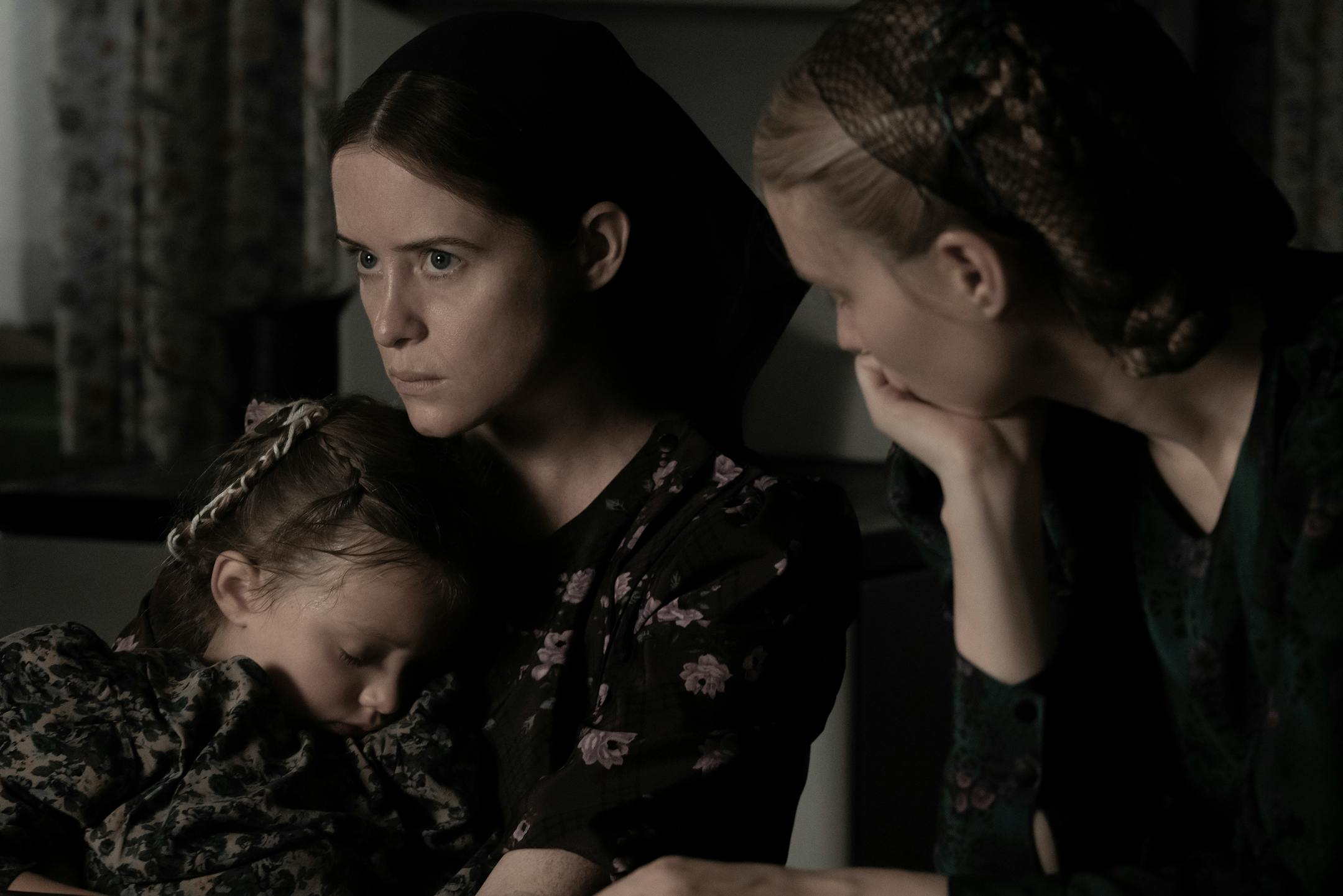
The subject is difficult, but it's the second word of the title that Polley believes is crucial. The women have been through something awful but talking helps them imagine a future.
"That's the one thing that is most hopeful about the movie: The development of a collective vocabulary around this trauma is what helps them envision a path forward," Polley said.
She's all too familiar with trauma. In Polley's memoir "Run Towards the Danger," published last year, she wrote about horrendous experiences as a child on the set of Terry Gilliam's "The Adventures of Baron Munchausen" and about a "bad date" anecdote she often entertained friends with until one of them pointed out that it wasn't a funny story about a date gone wrong but an assault, perpetrated by a radio DJ many other women came forward to accuse.


