

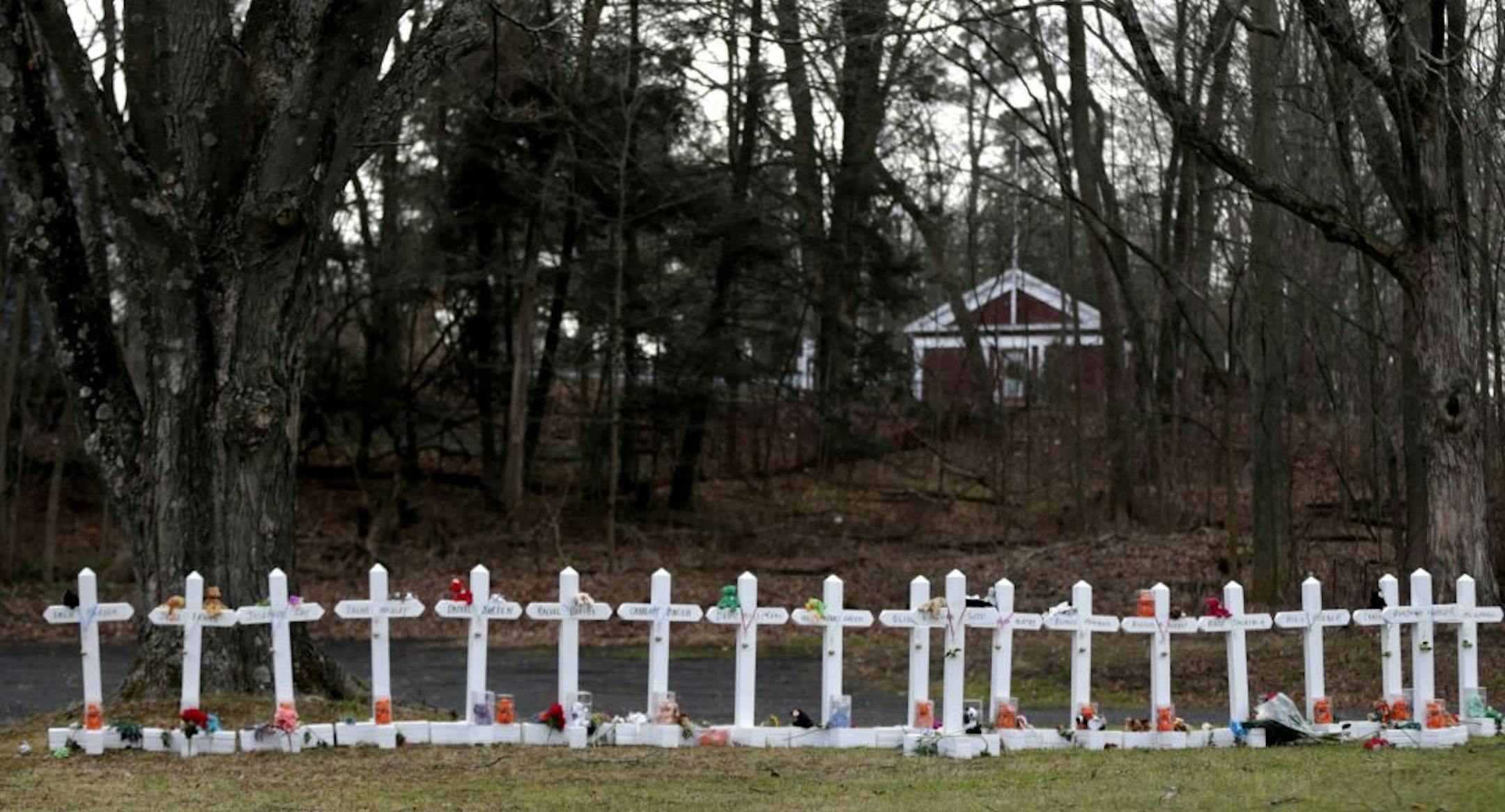
Moments after the shots were fired, a single topic dominated social media: the massacre of schoolchildren in Newtown.
Millions turned to Twitter and Facebook, many searching for facts on rapidly churning newsfeeds, some seeking solace. Others pushed their passions by starting petitions advocating both sides of the gun debate and instigating arguments about how we treat people who are mentally ill.
While the nation was still reeling, social media proved to be a powerful, unfiltered way to cope with a tragedy so horrific that it reminded some people of Sept. 11, 2001. But this time, the expressions of grief and outrage could spread beyond the dinner table and capture a global audience -- almost instantly.
This unprecedented online outpouring allowed people to respond while their emotions were still inflamed. It also empowered millions of people to speak out for both gun control and gun rights.
"[Social media] has become the public square, the place people visit to express how they're feeling," said Allison Fine, who studies social media and social change at the New York City-based think tank Demos. "We don't walk out onto the street to do this now. We click on the Facebook tab."
That's exactly what happened on Friday as the National Rifle Association held a news conference to respond to calls for more stringent gun laws. Twitter and Facebook were roiling with responses to what was being said the moment the NRA's Wayne LaPierre began to speak.
Violence, then viral heartache
As news of the Newtown shooting broke, postings of shock and disbelief flooded Twitter. Facebook feeds morphed from mundane status updates to heart-wrenching memorials to those who died. Multiple photographs of slain teacher Victoria Soto went viral, garnering hundreds of thousands of "likes." A photo collage of the 20 murdered children was "liked" by more than 330,000 people in less than a week.


