When a million tons of rocks tumbled down the coast of Big Sur this past spring, the landslide added 13 acres to the region and buried California's scenic Hwy. 1 in 40 feet of dirt and gravel — the equivalent of 800 Olympic-sized swimming pools. It was just the latest blow for a tiny community: The Pfeiffer Canyon Bridge had begun to fail in February after heavy winter storms caused slides along the coast, and it will remain closed until October.
Taken together, the weather events shut off access to an entire region of Southern California that's otherwise known for postcard-perfect vistas, switchback hiking trails, lighthouse-dotted beaches and, lately, as the setting of HBO's breakout hit "Big Little Lies." Now it's known colloquially as "Big Sur Island," bounded by the closing at Pfeiffer Canyon on the north and landslide-related barriers to the south.
But Big Sur is already doing big business — and for travelers, at least, it's better than ever.
"There's a silver lining for everything," said Caroline Beteta, president and chief executive of Visit California, the state's tourism marketing arm.
Because the highway is inaccessible to car traffic until the Pfeiffer Canyon Bridge reopens, travelers to Big Sur can for the first time walk or bike unimpeded along a 45-mile stretch of the Pacific coast.
An hourlong hiking path was created post-mudslide as a way to connect the local community to essential services in nearby towns. Once there, visitors can rent electric bikes from Big Sur Adventures, a service in Loma Vista, Calif., that sprang up in the wake of the road closings.
Many businesses are open
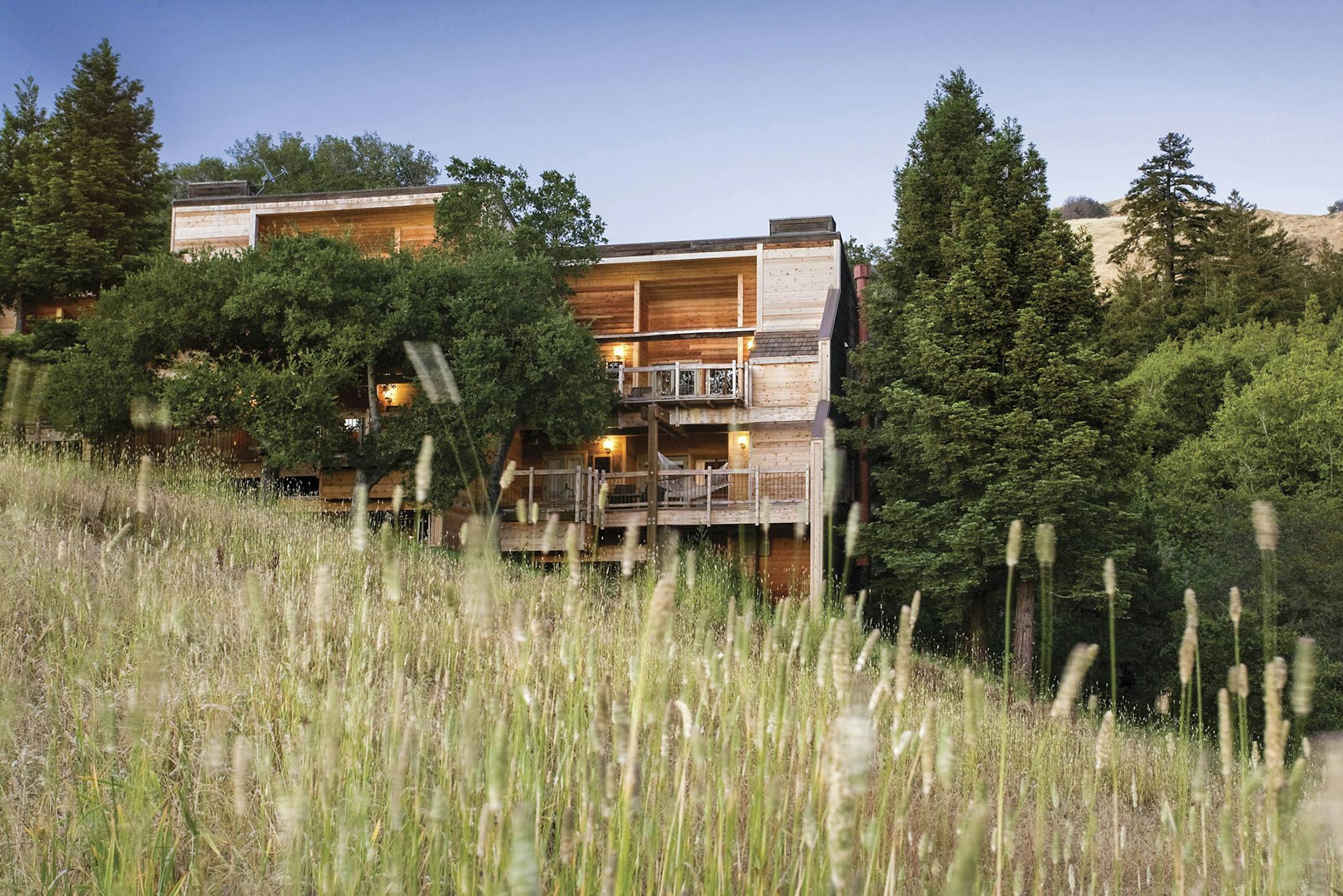
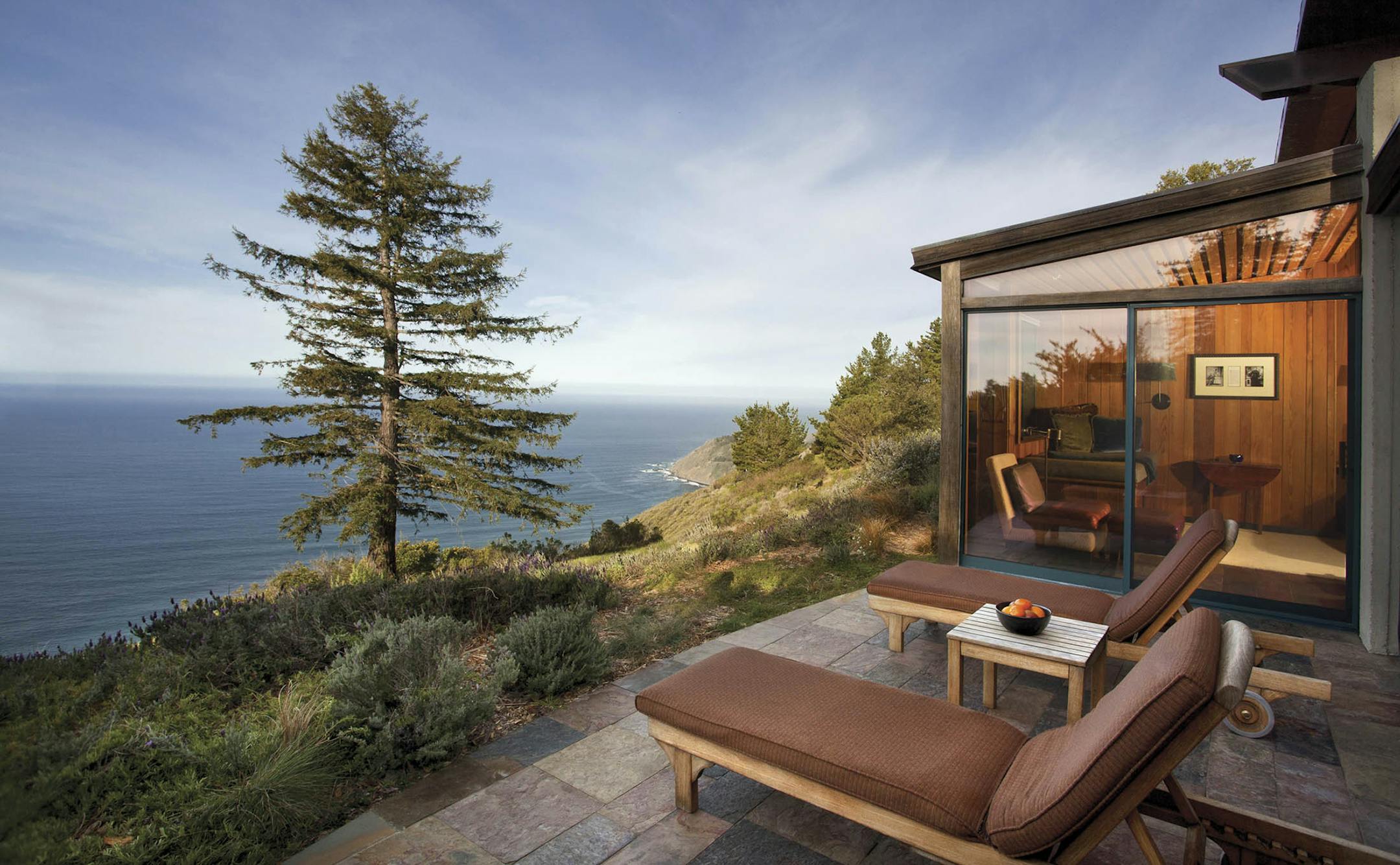
"All the businesses north of the bridge are back in business and have been for much of the summer," said Mike Freed, managing partner of the cliffside Post Ranch Inn, which reopened in April and offers helicopter rides for guests.
Many businesses south of the bridge are open as well, and they are making the most of a surprisingly peaceful summer.