Geneva – The euphoria over the signing of a historic nuclear agreement with Iran gave way to sober reality Sunday as the parties clashed over a key element of the deal and congressional skeptics threatened to thwart it.
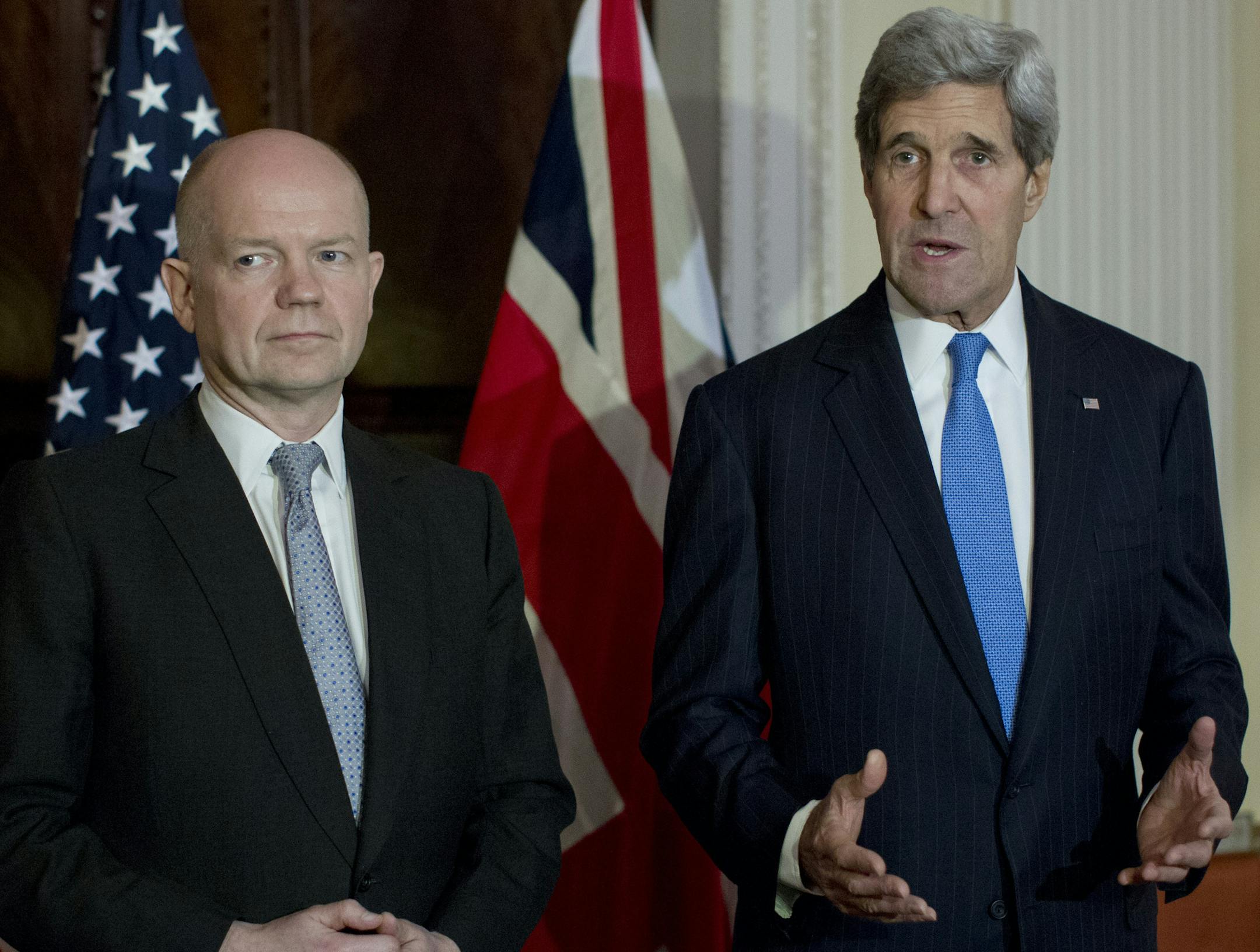
The Obama administration moved quickly to sell the agreement to nervous U.S. allies, particularly Israel, and to persuade lawmakers not to push ahead with new economic sanctions that could prompt Iran to abandon the six-month freeze on its nuclear program set under the accord. In interviews, Secretary of State John Kerry defended the deal, saying that the United States and its allies believe the agreement ensures that Iran will either abide by the terms or face the reinstatement of measures that have crippled the country's economy.
"We have no illusions. We don't do this on the basis of somebody's statements to you. We do it on the basis of actions that can be verified," Kerry told CNN.
He also acknowledged that keeping the deal on track could prove to be more arduous than securing the landmark agreement had been.
"The next phase, let me be clear, will be even more difficult, and we need to be honest about it," Kerry said after the pact's first phase was approved by diplomats from Iran and six major world powers. "But it will also be even more consequential."
The deal, sealed in a predawn ceremony Sunday in Geneva, freezes or reverses progress at all of Iran's key nuclear facilities, forbidding it from adding new centrifuges and capping or, in some cases, eliminating stockpiles of uranium that Western officials fear could be turned into fuel for a nuclear weapon.
Iran also agreed to unprecedented daily monitoring by international inspectors and committed not to finish construction of a controversial heavy-water reactor that could provide the country with a source of plutonium for a nuclear bomb if the government decided to pursue one. Iran has long insisted that its nuclear program is intended for peaceful, energy-producing purposes.
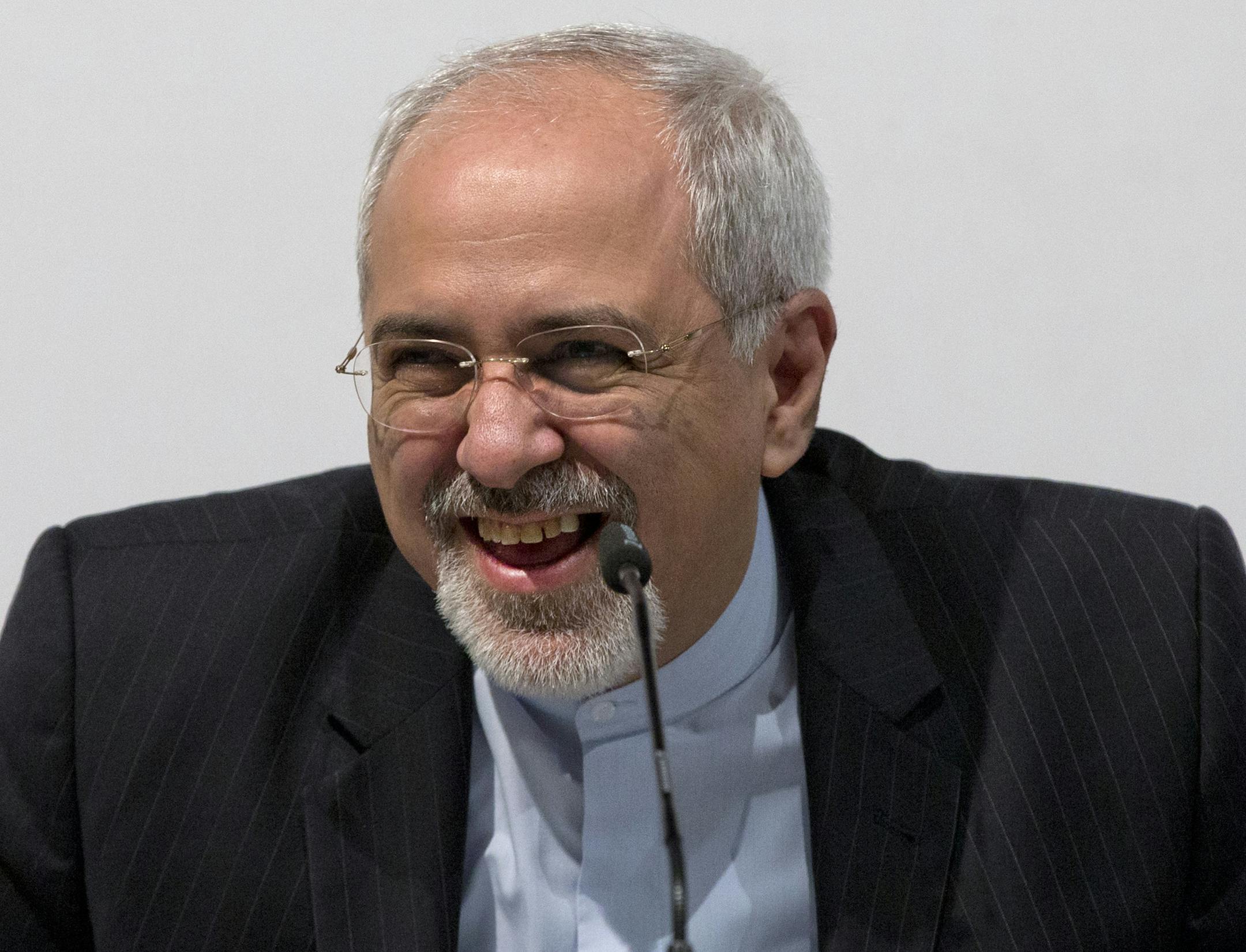
In Tehran, officials welcomed the deal as the beginning of a new era for the Islamic republic, with President Hassan Rowhani asserting that language in the agreement affirmed Iran's right to enrich uranium, which he and other top Iranian officials had demanded as an element of any agreement.