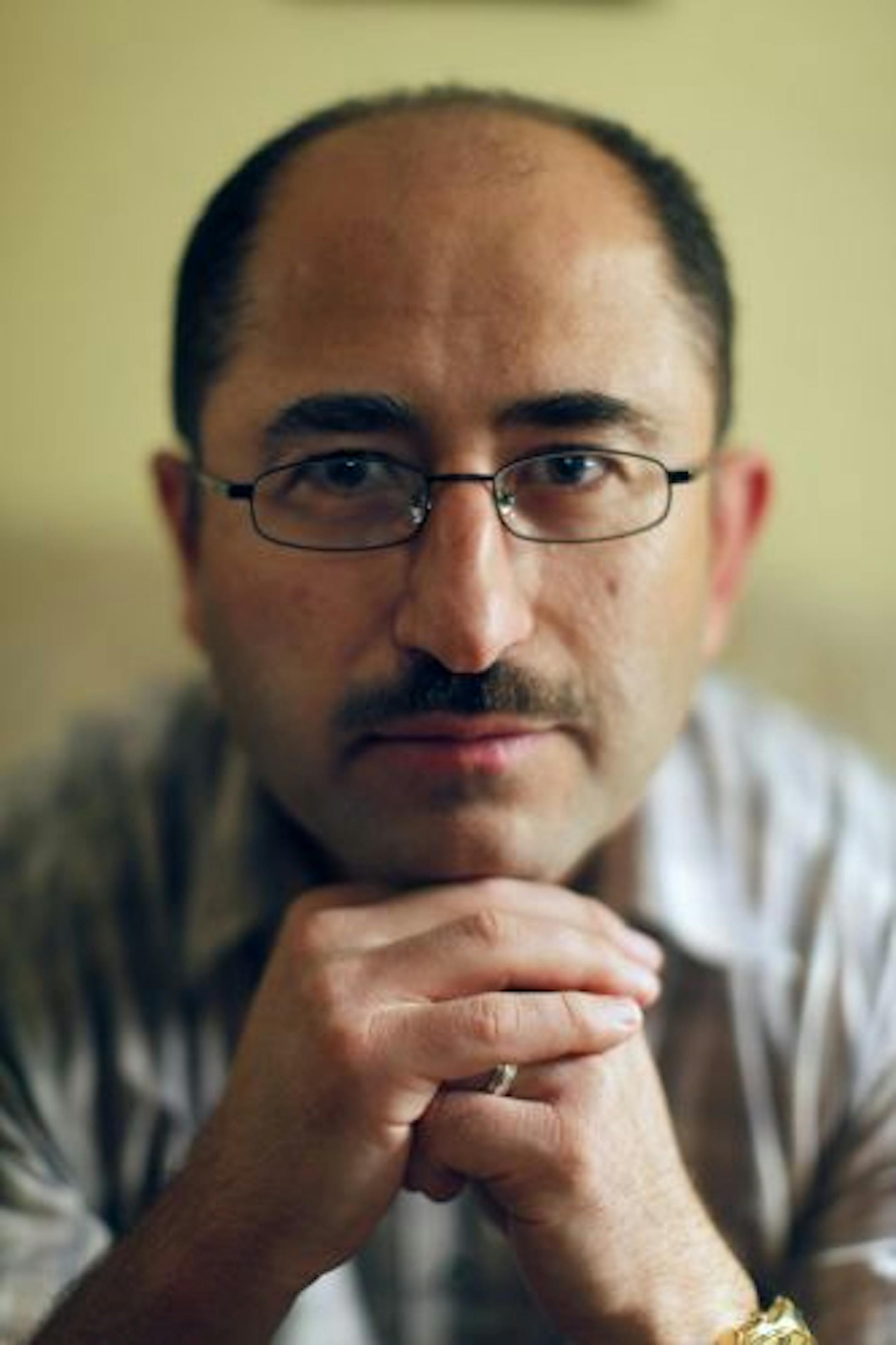
Yaser Ishtaiwi was 1,100 miles from Fort Hood, Texas, last week when a gunman opened fire at the military post, killing 13 comrades and wounding 29 more. ¶ Working from his office in Plymouth, Ishtaiwi never heard the gunfire or the screams. He never saw the blood. But when the 17-year veteran of the Minnesota National Guard learned that the alleged gunman -- Maj. Nidal Malik Hasan -- was Muslim, he soon realized that the rampage would have implications for Muslims everywhere, especially in the U.S. military.
"That's when I became so concerned about backlash," said Ishtaiwi, 43, who was born a Muslim in the Middle East and now lives in Spring Lake Park. "No doubt at all, it does make you look bad. I defend Muslims, but at the same time, when they do something wrong, I cannot defend them. I have to condemn that action."Authorities don't know what might have motivated Hasan, an Army psychiatrist who was facing deployment overseas, to kill. In recent days, they have pursued a possible connection with a radical cleric in Yemen who authorities say is linked to Al-Qaida.
Yet, regardless of why the shots were fired, U.S. Army Chief of Staff George Casey said this week that he fears the killings will create a backlash against Muslims, especially those in the military, that could linger for years.
Ishtaiwi and others in the local and national Muslim community agree.
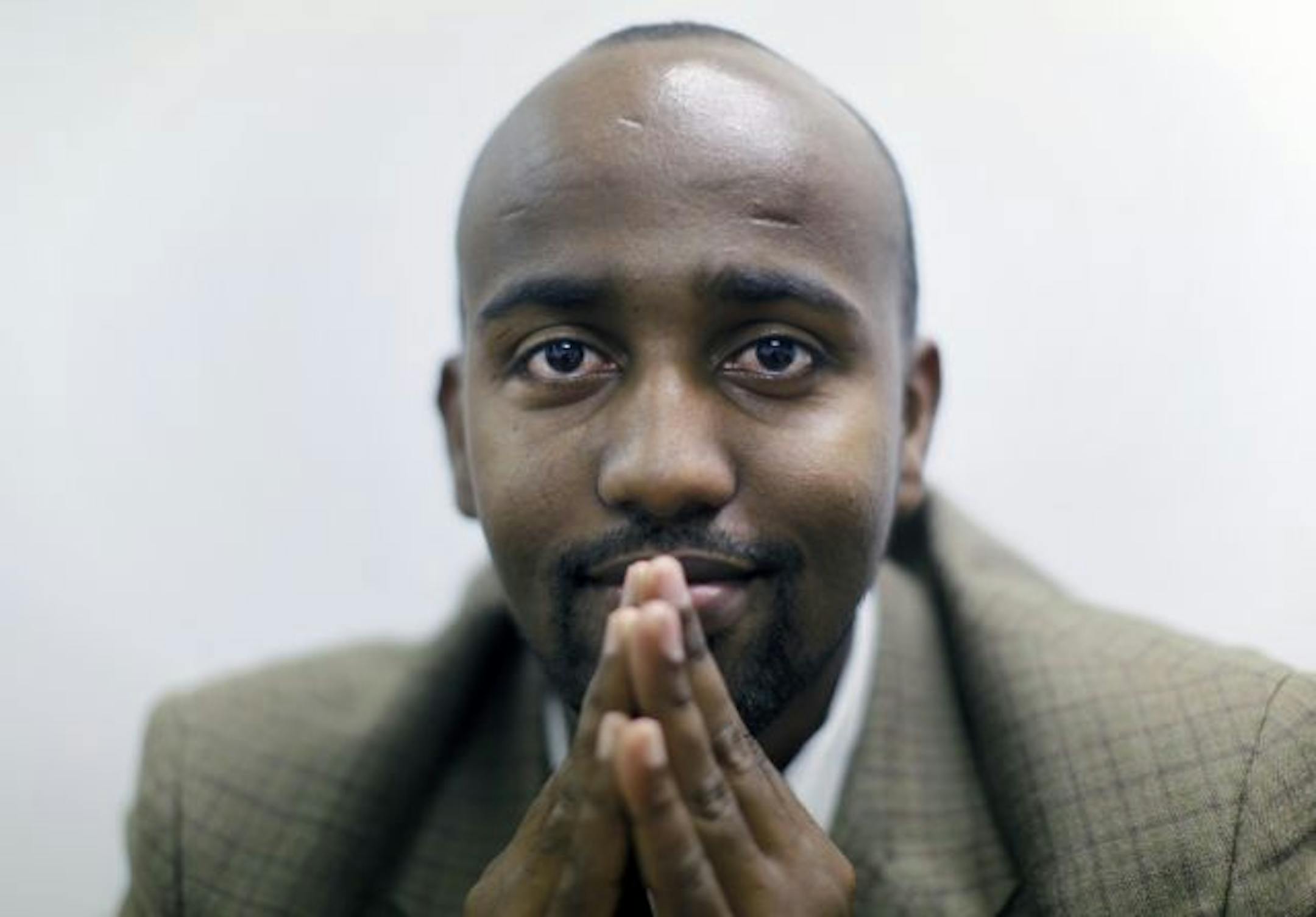
"It doesn't make things better, that's for sure," said Ziad Amra, a local member of the American Arab Anti Discrimination Committee, headquartered in Washington.
"As to the long-term damage, if any, maybe it's just too soon to tell," said Ibrahim Hooper, a spokesman for the Council on America-Islamic Relations (CAIR), a Muslim civil liberties and advocacy group, also based in Washington. "Maybe you won't see any damage if people are more reluctant to go into the military, or if they are thinking about it. Maybe they won't join, and you won't know.
"But it may not be something that's obvious until years from now."
Deranged person