

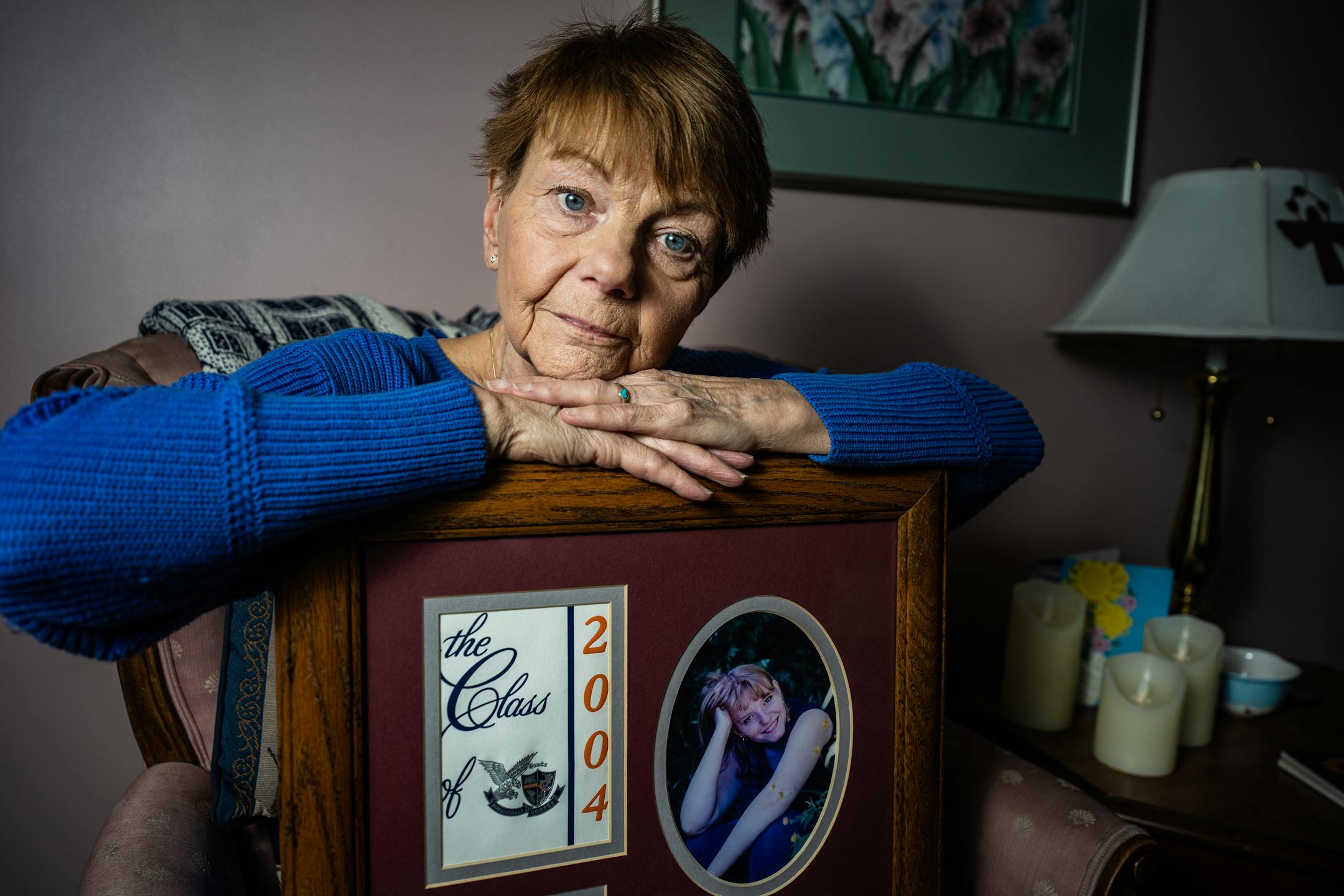
Libby Erickson is haunted by what she told her 86-year-old mother as they celebrated a third Christmas amid the pandemic.
"We kept you safe," she told her mother, Sally Albers, "for almost three years."
Sally Albers tested positive for COVID-19 a week later amid an outbreak in her assisted-living facility in Alexandria, Minn. The retired teacher died two days later on Dec. 31, 2022.
Minnesota may have returned to some normalcy in year three of the pandemic as people shed masks and went back to offices, theaters and public places, but the threat remains as the state enters year four. Minnesota hasn't had a day with zero COVID-19 deaths since June 10, and it has averaged six per day since then.
COVID-19 dropped to the second most common cause of death in Minnesota in 2022, but it still led to 3,174 people losing their lives last year. The pace has slowed in 2023, but the 442 COVID-19 deaths so far this year exceed the 418 from seasonal influenza in the past four years combined.
People wouldn't accept the current death rate if it was due to cancer, said Michael Osterholm, director for the University of Minnesota's Center for Infectious Disease Research and Policy, but they do with COVID-19 because six deaths per day isn't as shocking as 75 per day at the pandemic's peak.
Minnesota's early COVID-19 response involved short-term inconveniences, such as mask mandates and limits on crowds, that could be dialed up in response to pandemic waves. What the state encountered over the past year was different — a steady toll too small to demand emergency action but too big to dismiss.
"What we have is this confusion," Osterholm said. "How do we respond to this? How do we even talk about it?"


