

BRAINERD — Famed conservationist Aldo Leopold once wrote, "November is, for many reasons, the month of the axe. It is warm enough to grind an axe without freezing, but cold enough to fell a tree in comfort. The leaves are off the hardwoods, so that one can see just how the branches intertwine, and what growth occurred last summer. Without this clear view of treetops, one cannot be sure which tree, if any, needs felling for the good of the land."
Times have changed since Leopold penned those words more than 60 years ago. The chain saw has replaced the axe, and November is best spent on a deer stand, in a duck blind, or behind a hard-working bird dog.
January is the month of the chainsaw.
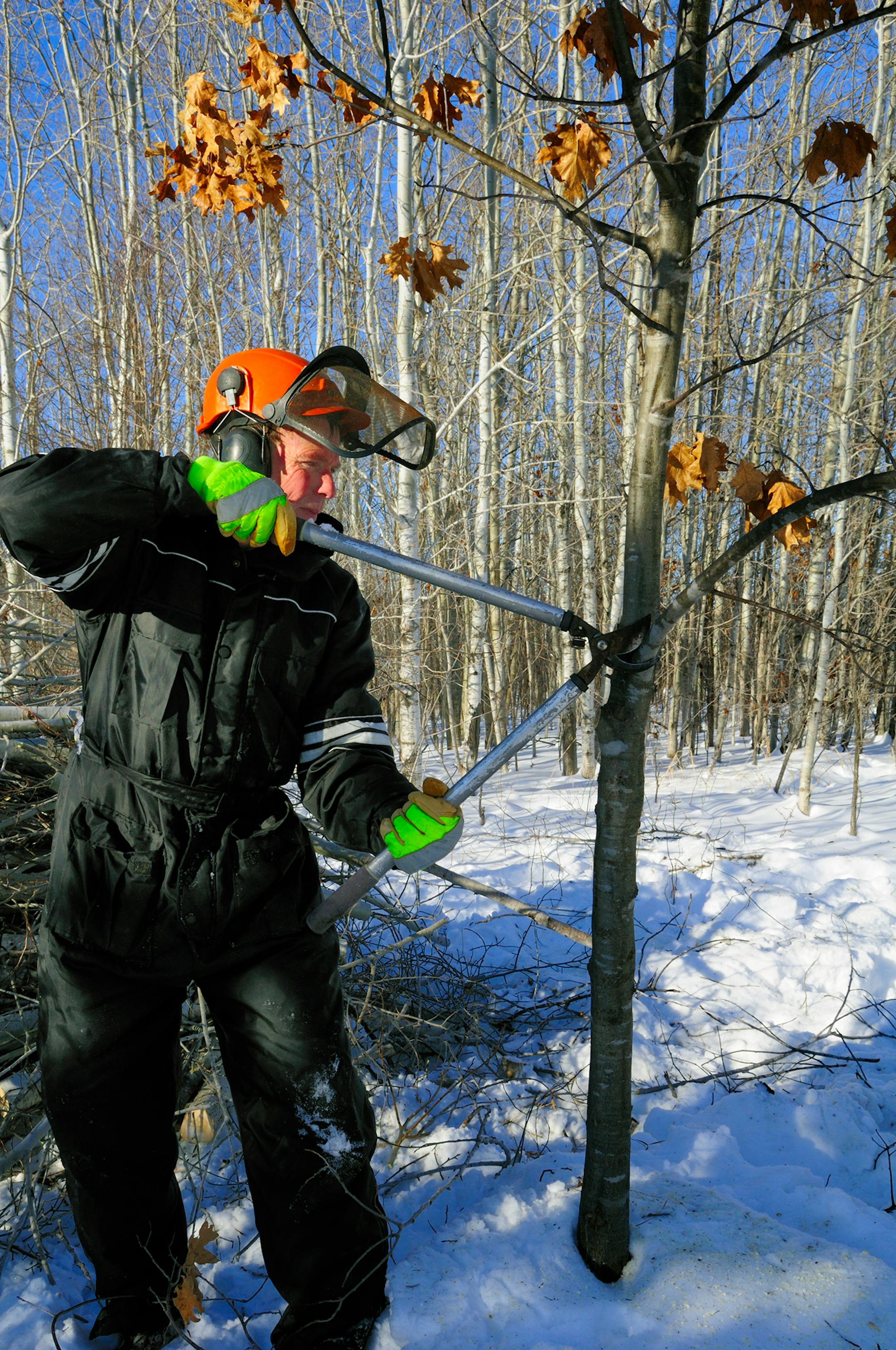
So on a cold but sunny day last week I headed into the woods, chain saw in hand. My plan was to liberate a few red oak trees, a wintertime task I've practiced for more than a decade on 70 acres of land I manage for wildlife.
To liberate a red oak tree one simply eliminates the competing trees and brush, which ultimately provides the oak with more of the essentials: sunlight, water, nutrients and room to grow.
My acreage consists primarily of alder, willow and aspen lowlands. However, here and there a red oak will have somehow taken root and, with determination, blossomed into a small tree. But the competing vegetation, especially the aspens, almost always wins the race for the sun. Without my help the oak usually loses.
And so I interfere.
Not too many years ago fire did that work for the oaks. Now it's up to me.


