

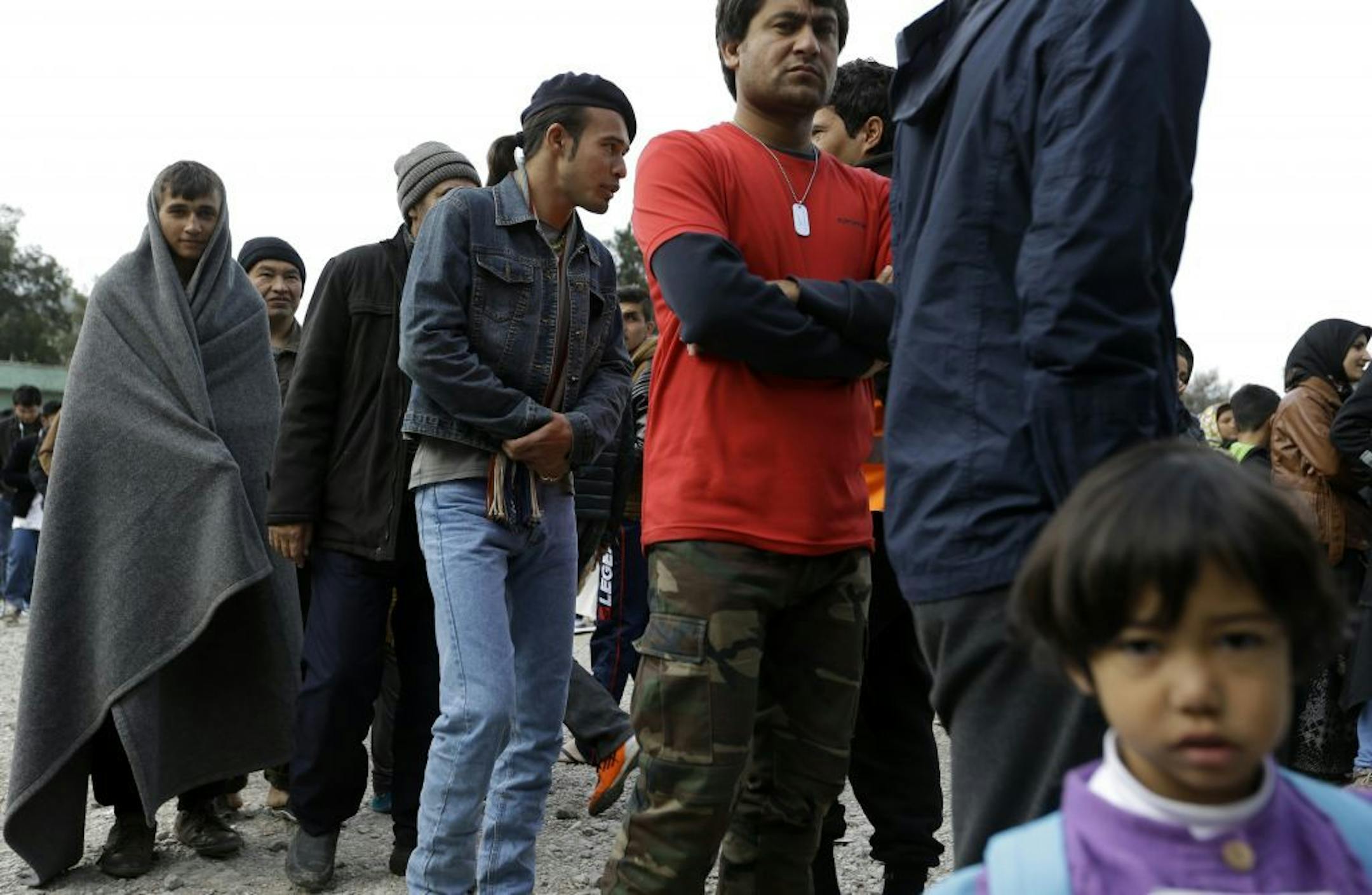
HERAT, Afghanistan – When most American troops departed Afghanistan in 2014 and the Obama administration helped install a unity government, it was supposed to set the country on a path toward self-sustainability after two decades of Taliban rule and foreign military intervention.
Instead, Afghans are escaping their country in some of the greatest numbers since the 2001 U.S.-led invasion.
The loss of money and hundreds of thousands of jobs connected to the U.S. military presence has brought Afghanistan's economy to a halt and laid bare the weaknesses of the Afghan state. It also has galvanized Taliban insurgents, who briefly took over the northern city of Kunduz in the fall and have made gains in the southern province of Helmand against overstretched government forces.
The combination of unending violence and lack of economic opportunity has driven many Afghans to flee.
Afghans accounted for a quarter of the more than 1 million refugees and migrants who arrived in Europe in 2015, the second-largest group after Syrians fleeing their country's civil war, according to the U.N. refugee agency. The exodus has continued even after the European Union decided last month to classify Afghans as economic migrants, significantly reducing their chances of gaining asylum.
Risking it all
Herat, an ancient trading city 75 miles from the Iranian border, has become a hub for Afghans beginning the risky journey along the migrant trail north to Europe.
Travel agencies offer to procure passports and visas for hundreds of dollars apiece. For those unable to pay for documents — or unwilling to wait — smuggling networks promise to deliver a traveler across the Iranian border for less than $1,000.


