

For what seems like forever, America's presidents have been ordering up new U.S. policies designed to finally fix, or at least make the best of, the old and perpetual crises in Afghanistan.
And sooner or later, each optimistic U.S. president has discovered that even the best-intentioned Afghan fixer-upper ended up looking like it had been cobbled together by his departments of Unforeseen Developments and Unintended Consequences.
Today we'll start by trying to finally learn from the entire history of flailed and failed U.S. initiatives in Afghanistan. In the process, you will read about one U.S. initiative that may surprise not just you, but also those who consider themselves experts because they know about every miscalculation that has been on the whole sad list, ever since 9/11.
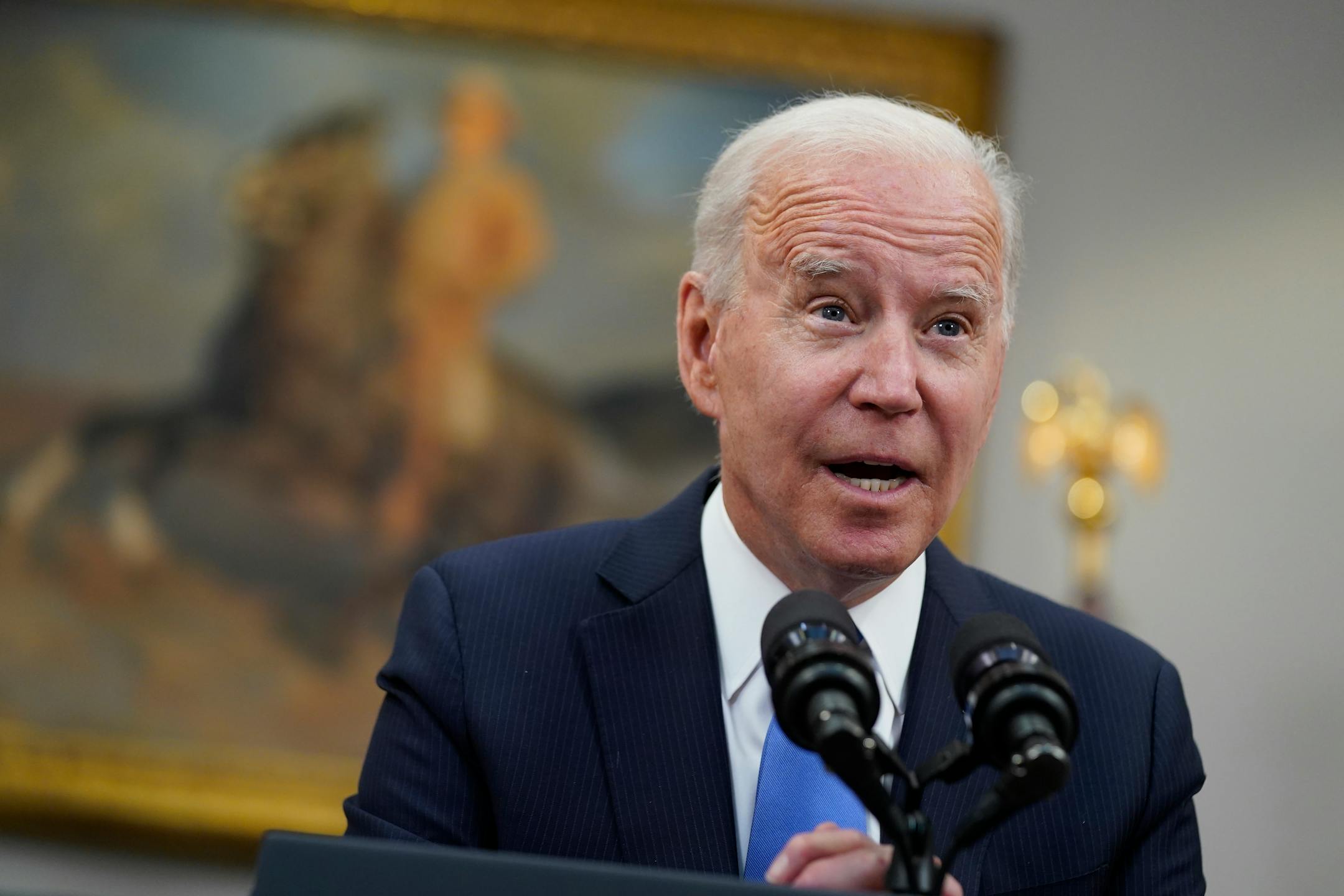
This week, President Joe Biden, who probably spent more eras grappling with Afghanistan than all other modern presidents combined, has been seeing military and diplomatic info that seems to be warning him that, despite all his experience and optimism, he may be joining that exclusive club of commanders-in-chief who produced woebegone Afghanistan outcomes.
On Wednesday, Washington's policymakers awoke to a warning-siren blaring from the upper-right corner of the New York Times' front page. A news article reported that Biden's administration and NATO intend to have their troops withdrawn from Afghanistan by early to mid-July; that's later than Trump's pledge to withdraw totally by May 1, but well ahead of Biden's pledge to be gone by Sept. 11.
"The Pentagon still has not determined how it will combat terrorist threats like Al Qaeda from afar after American troops leave," the Times reported. "Nor have top Defense Department officials secured agreement from allies about repositioning American troops in other nearby countries. … The rapid withdrawal has exposed a variety of complex problems that have yet to be resolved and are provoking intense concern."
On May 6, Gen. Mark Milley, chairman of Joint Chiefs of Staff, issued this chilling non-assurance: "It's not a foregone conclusion, in my professional military estimate, that the Taliban automatically win and Kabul falls." As the general was briefing reporters in the Pentagon, Taliban troops were attacking seven depleted rural Afghan military bases. On Thursday, the New York Times reported, the Taliban had captured all seven bases.
We know well what to expect (see also: what to fear) if the Taliban re-conquer Afghanistan. When the Washington Post's Lally Weymouth asked Afghanistan President Ashraf Ghani about the Taliban's subjugation of women, including assassination attempts on women journalists in Kabul, the Afghan president explained how and why the Taliban's followers accept such horrific acts against women:


