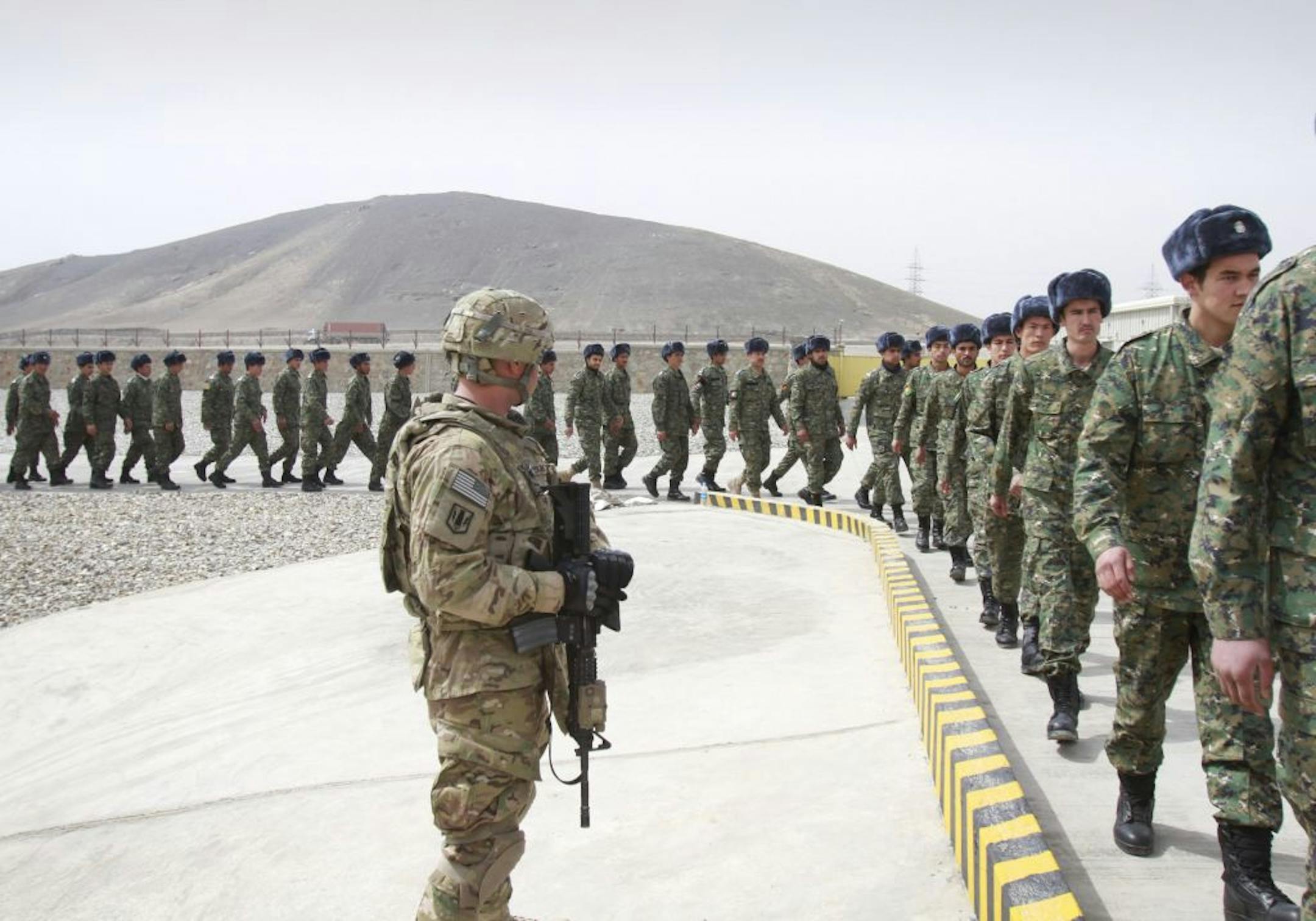
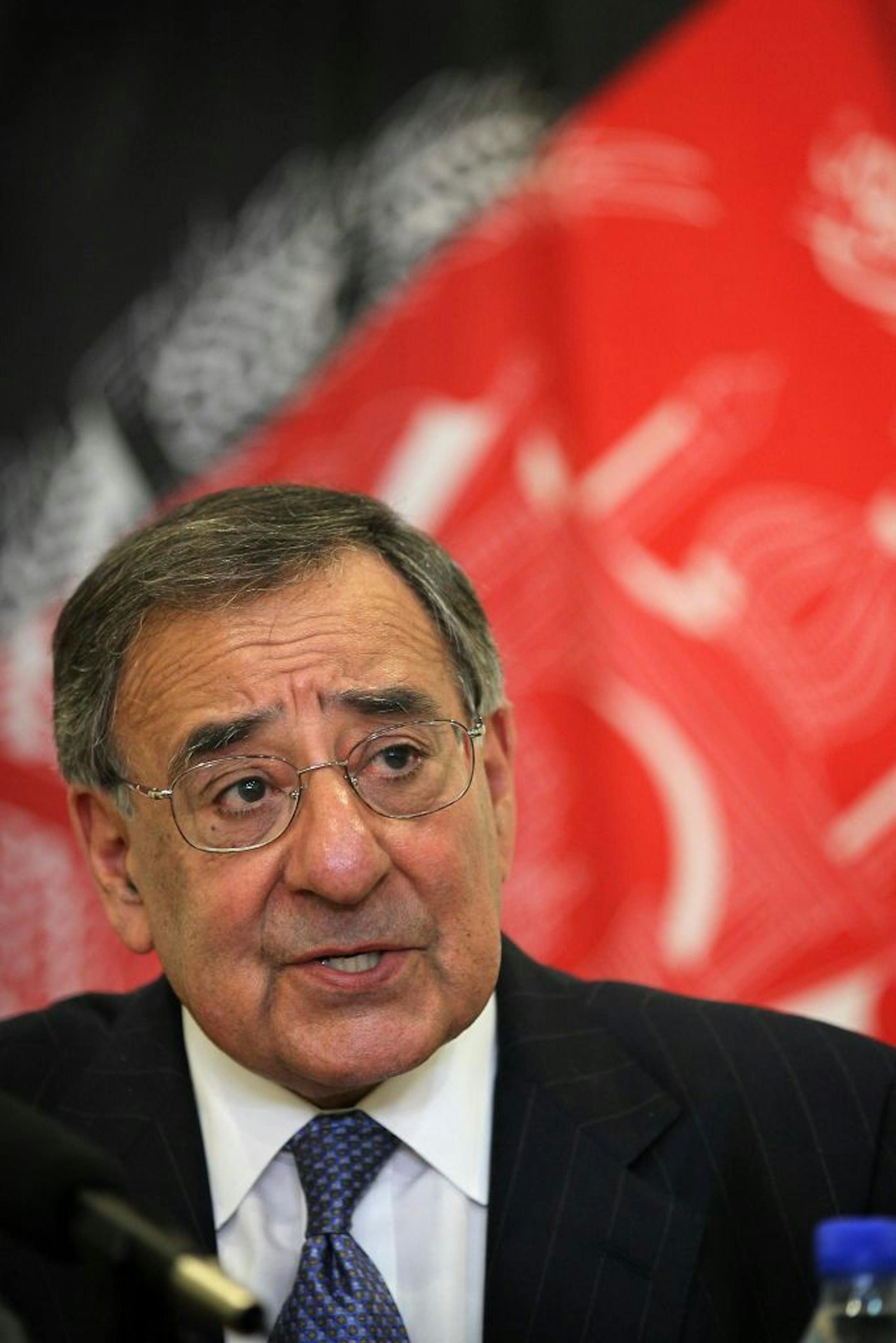
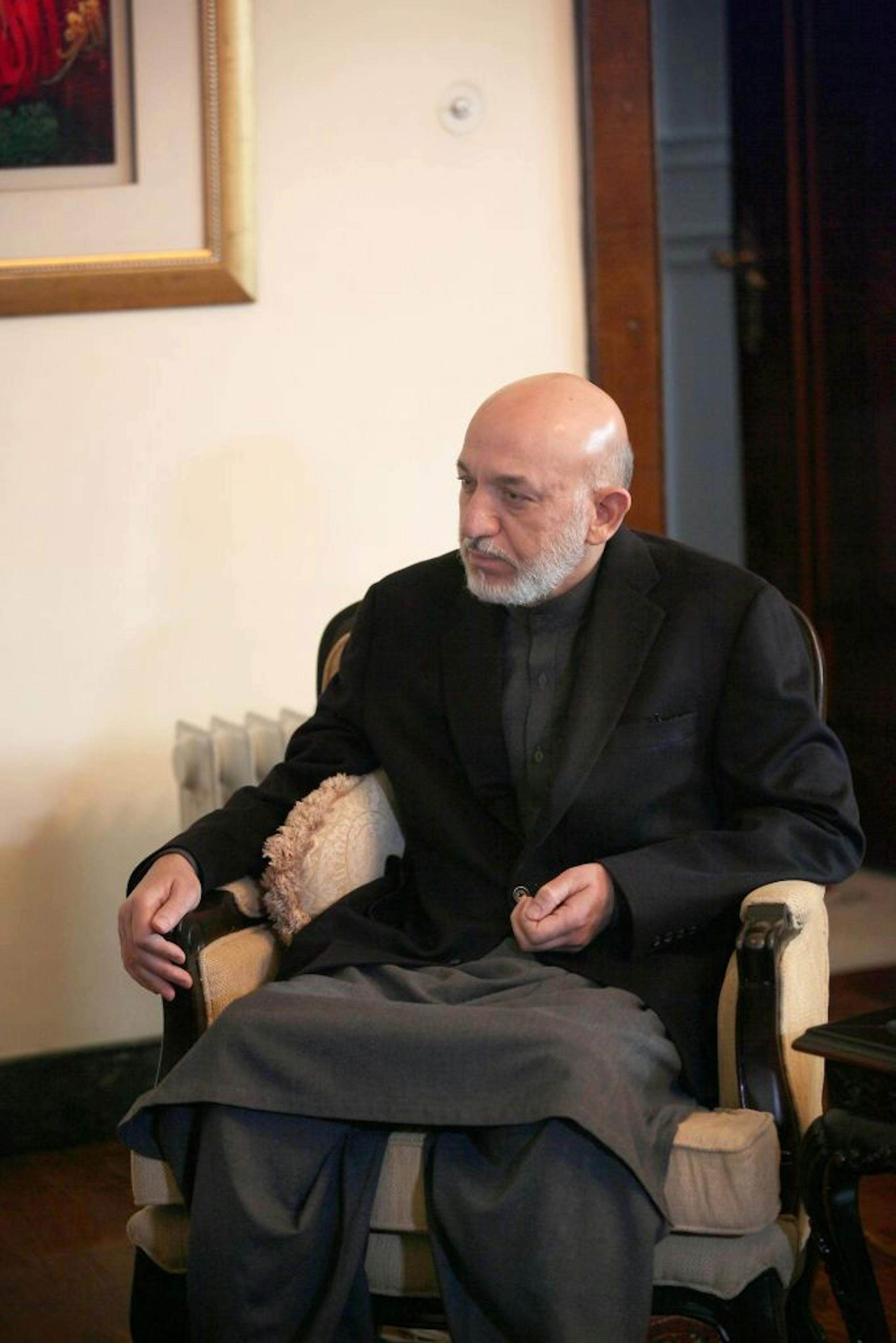
KABUL, AFGHANISTAN - The Afghanistan endgame that President Obama outlined this week suffered new setbacks on Thursday as the Taliban suspended peace talks with the United States and President Hamid Karzai demanded that NATO withdraw forces from the rural outposts that are at the heart of its military mission there.
The developments are the latest in a cascade of challenges to the measured exit the administration and its coalition partners are planning, including a gradual turnover of security responsibility to Afghan troops, a paced U.S. and NATO withdrawal and a negotiated peace with the Taliban.
Administration officials had steeled themselves for fallout after last month's burning of Qur'ans by U.S. service members and Sunday's massacre of 16 civilians, apparently by an Army staff sergeant who went on a rampage. But Thursday's statements caught Western officials in Kabul off guard and sparked new concerns that the U.S.-led operation could unravel as trust erodes between Afghans and their foreign benefactors.
"Afghanistan is ready right now to take all security responsibilities completely," Karzai said in a statement issued shortly after he met with Defense Secretary Leon Panetta. "To speed up this process, authority should be given to Afghans."
The statement set no deadline for what it called the "withdrawal of international forces from villages." It reiterated Karzai's insistence that foreign troops should not be allowed to enter Afghan homes in the night raids on which U.S. commanders rely heavily to net suspected insurgents.
Karzai has a long history of making demands the international community ignores or implements slowly, and he has cried wolf many times. But if he presses ahead with the demand for withdrawal from the countryside, the U.S. military could face many of the same challenges it contended with in Iraq in 2009, as Baghdad sought to curb the movement and authority of American troops.
The effect in Afghanistan could be considerably more complex and dangerous. Although Iraq's insurgency had begun to wane, the Afghan militants remain strong. Coalition commanders see the constellation of small outposts in insurgent-plagued provinces as essential to their goal of providing enough security for the Afghan government to take root.
In a news conference in Washington with visiting British Prime Minister David Cameron on Wednesday, Obama acknowledged "multiple challenges along the way" but said that "in terms of pace, I don't anticipate at this stage that we're going to be making any sudden additional changes to the plan that we currently have."