

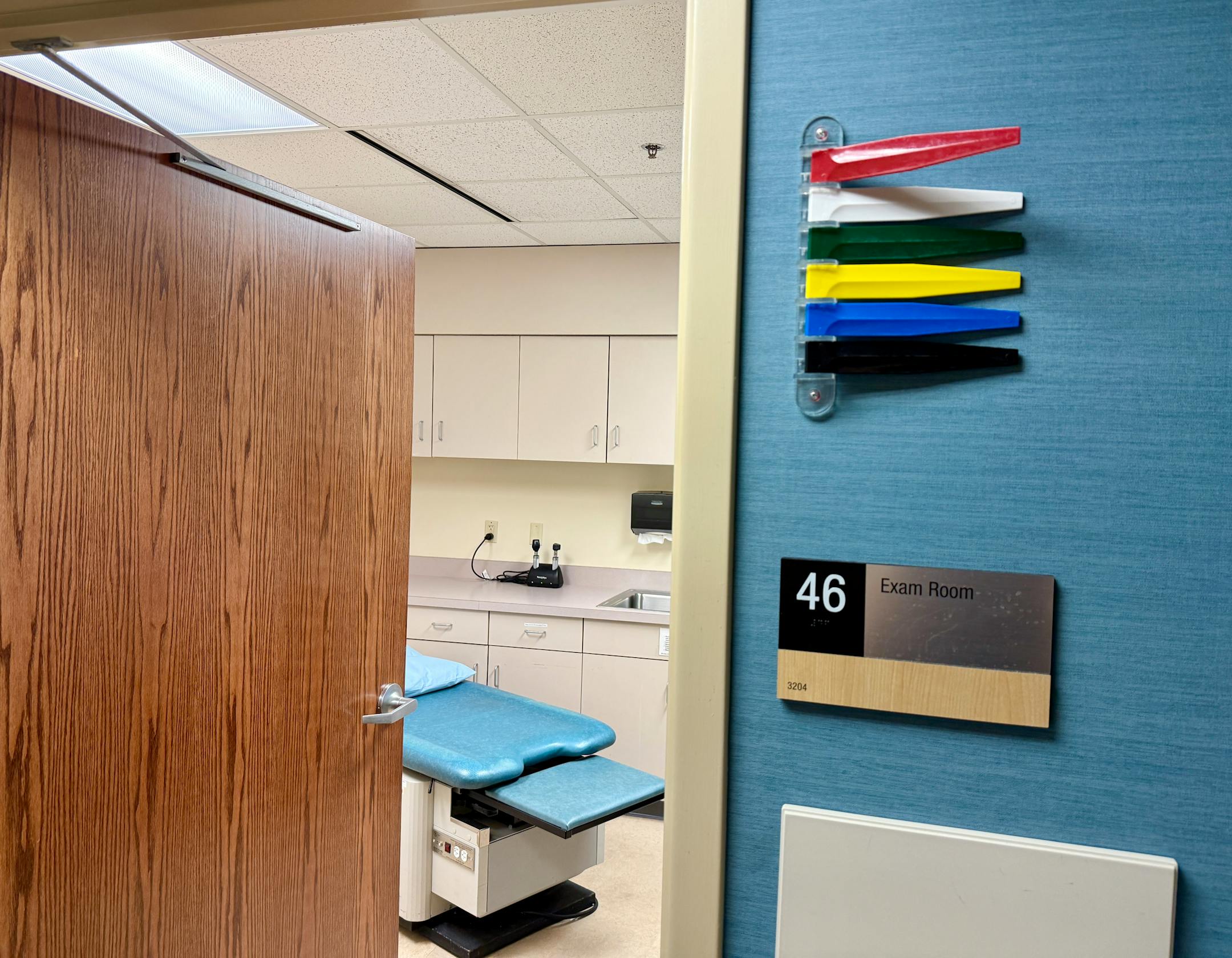
HealthPartners is testing a primary care clinic in St. Louis Park that seeks to confront problems in the health and lives of complex patients before they end up with costly hospital visits.
And initial data suggests the approach is working.
The Twin Cities health system is seeing a 60% reduction in emergency room visits among a test group of patients with multiple or severe health problems who have been referred this spring and summer to its new Advanced Care Primary Care clinic.
“One patient came in one day with his duffel bag ready to go” to the ER, said Michelle Tennant, HealthPartners’ regional primary care clinic director. But after his clinic appointment, “he was like, ‘OK, I’m ready to go home.’”
Patients are referred if they have multiple or complex health problems and histories of ER visits and hospitalizations. The clinic runs them through a three-hour initial visit that includes a pharmacist who evaluates their medication regimens and a nurse who reviews housing, dietary or social determinants that contribute to their poor health. The clinic then connects with other specialists providing physical and mental health care to coordinate treatment strategies.
The goal is “proactive versus reactive care,” Tennant said.
Beyond the time and trouble for patients, avoidable hospital visits are costly for Minnesota and contributed to overcrowding of emergency rooms during and after the COVID-19 pandemic. The Minnesota Department of Health in 2015 estimated 1.2 million potentially preventable ER visits per year, which cost public and private health insurance plans $1.3 billion.
Erika Hayes said she has been to the ER at least 32 times, mostly because of diabetes and heart problems that have left her with an implanted mechanical pump to maintain adequate blood flow. But the 56-year-old Crystal, Minn., woman risked switching from her doctor of more than 30 years to become the advanced clinic’s first patient, because she doesn’t like going to the ER so much.


