You may have noticed fewer gaggles of tweens and teens roaming the popular hangouts of our youth.
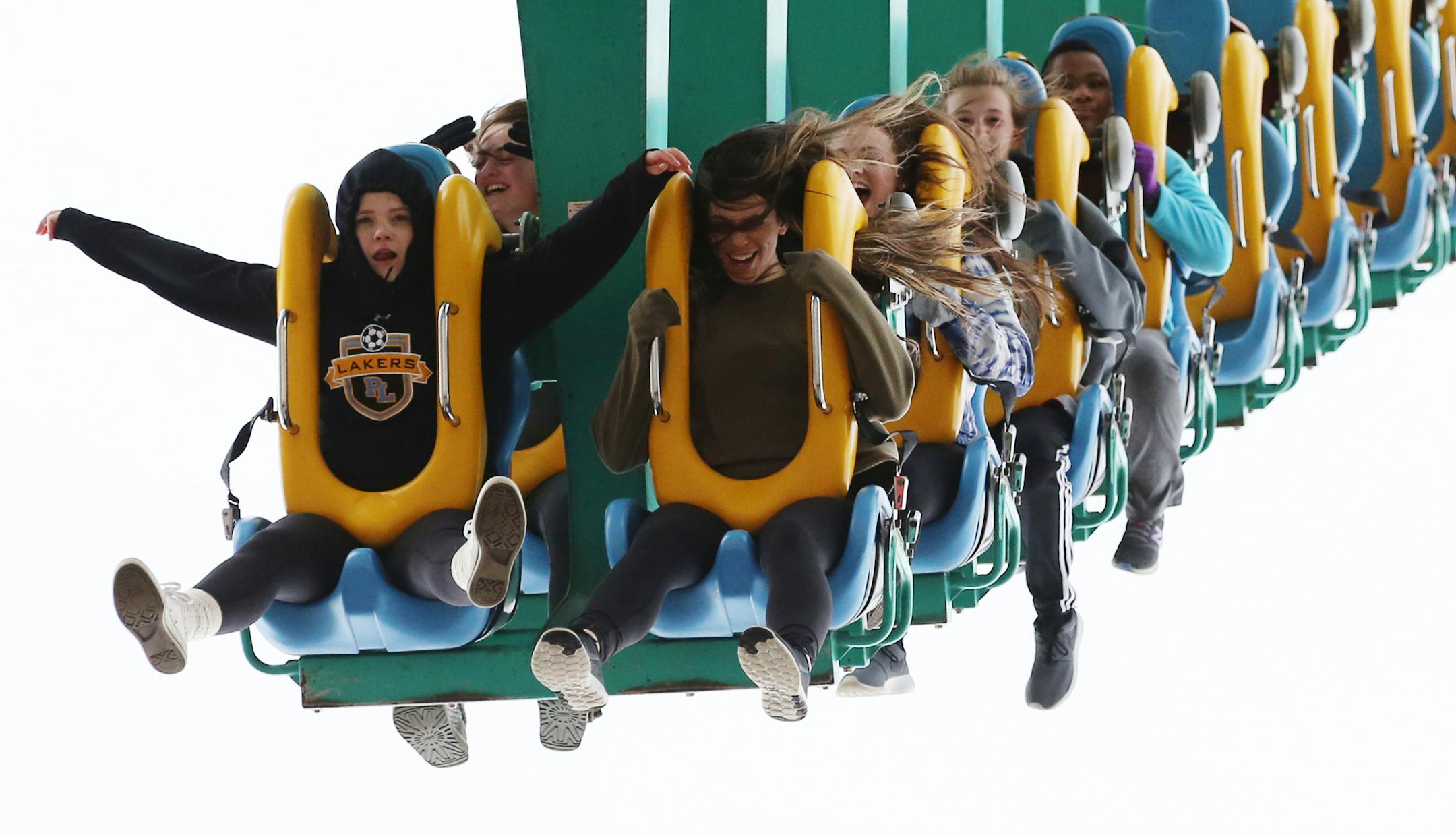
All summer long, Valleyfair has been requiring children and teens to be accompanied by adults. After 4 p.m., those 15 and under must be with a chaperone who is at least 21. The same rule applies at the Mall of America after 3 p.m. Across the country, other shopping centers, amusement parks and restaurants have been closing their doors to unaccompanied minors.
The measures are intended to prevent unruly behavior that has escalated in recent years in public places, sometimes turning violent. It was just last December that a 19-year-old man was killed at the mall's Nordstrom and multiple teens were arrested in the shooting.
So, I get why some private businesses are tightening up admission in the name of public safety. As a shopper, I certainly don't want to be shot outside the Lego store. But it saddens me that some of these traditional teen haunts aren't as accessible as they once were.
After talking to Phyllis Fagell, I became more convinced that if the trend continues, the restriction of third spaces — social hubs where teens can gather between work and school — will have a long-term cost.
"These edicts prohibiting any child from going to the mall unaccompanied, regardless of their behavior, are too far sweeping," said Fagell, a school therapist, licensed clinical counselor and author of a new book, "Middle School Superpowers."
Like me, Fagell, who lives in Bethesda, Md., basically grew up in shopping malls. "That was where I learned how to do everything," she said, from budgeting money to even finding her way after getting lost.
Malls were where children of the 1980s and '90s took part in an essential rite of passage — entering a public space without our parents. It was also a developmental milestone satisfying a primal need.