

A modest split-level house in Andover is set to become home to four women in recovery from mental illness and other troubles.
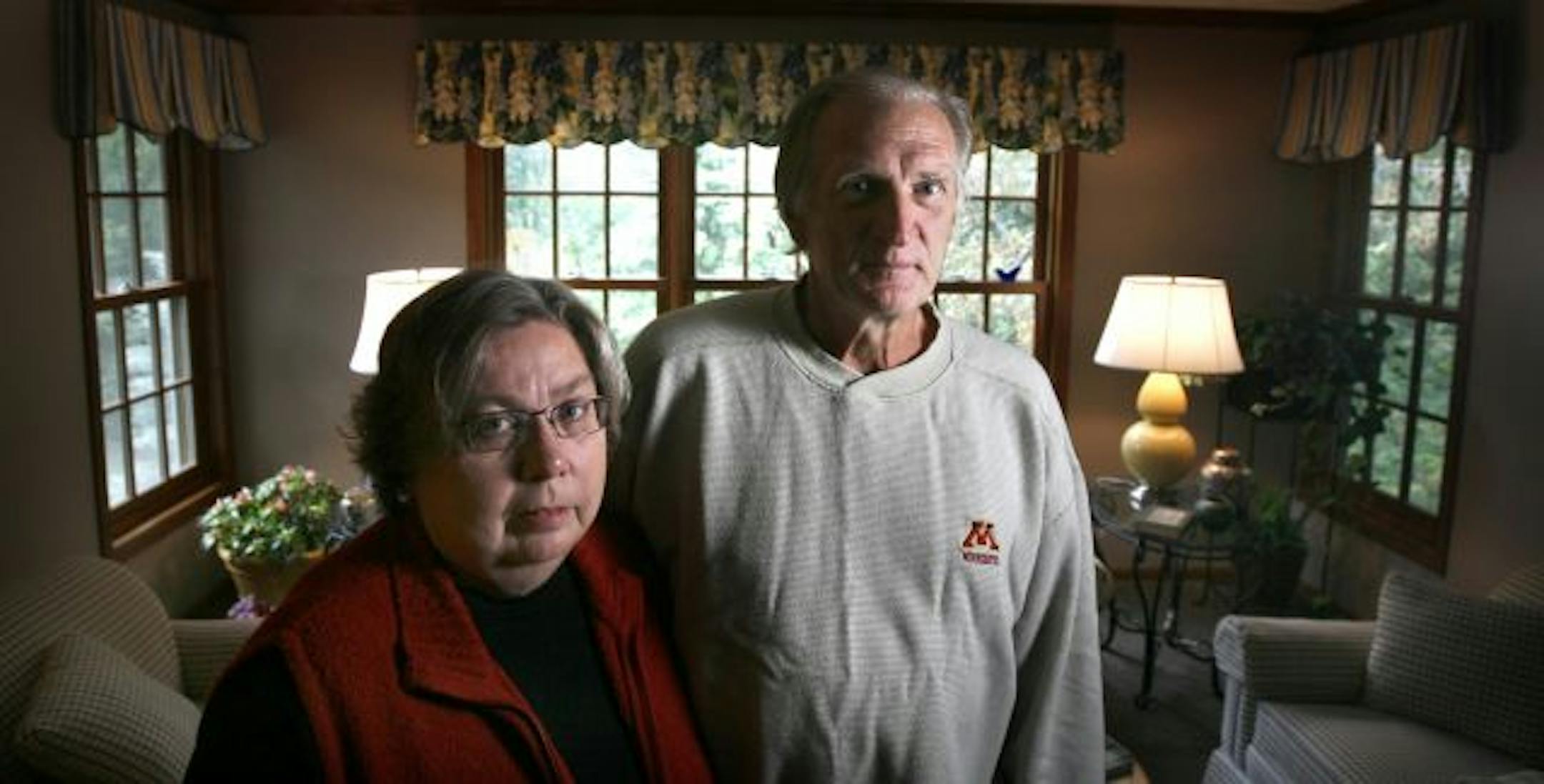
City residents Jeorgette Knoll and Bob Meinert are interested observers, albeit with different perspectives on the house, one of more than 4,800 adult foster-care homes in Minnesota.
Knoll has a disabled son in adult foster care who lives an hour away because of a shortage of facilities in Anoka County, a situation she'd like to see change. Meinert, who lives near the new home, says a different shortage -- of information from county officials and home operators -- has done little to quell his fears of the potential for a nuisance house.
The number of adult foster homes -- a continuously supervised step between the hospital and independent living -- has grown in recent years. It's usually happened out of public view, although the Andover debate and an episode in Centerville provided examples of how the legal rights of patients to live where they choose sometimes clashes with neighbors' concerns.
Like other states, Minnesota is working to comply with a 1999 U.S. Supreme Court order to move people with disabilities from institutional to community care when appropriate. This year, Anoka County has had 22 new adult-foster homes either licensed by the state or moving through the process. Statewide, the number of such foster homes increased by 188, to 4,825, between July 2008 and July 2009. Since then, a budget-driven moratorium has been in place on this more expensive care.
Fair Housing requirements
The federal Fair Housing Act requires cities to treat people with disabilities the same as anyone else, just as it bars housing bias based on race, religion, gender or family status. Licensed adult foster homes with four or fewer residents can set up where the operators want, without community notification.
"Sometimes you have to have laws to protect the minorities against the will of the majority if the will of the majority will infringe on basic rights," said Roberta Opheim, state ombudsman for Mental Health and Developmental Disabilities.


