Well, it was inevitable. Snow and cold have finally descended upon Minnesota and much of the Upper Midwest. Old Man Winter was extra nasty in my area near Brainerd.
Those sunny, mild November days are just memories. Daytime highs on many of the bright days were more than 20 degrees above average. But consider the word "average." For every day with above-normal temperatures, we will have some on the colder end of the scale to balance things out. So, we are likely to pay for each nice day in the long run.
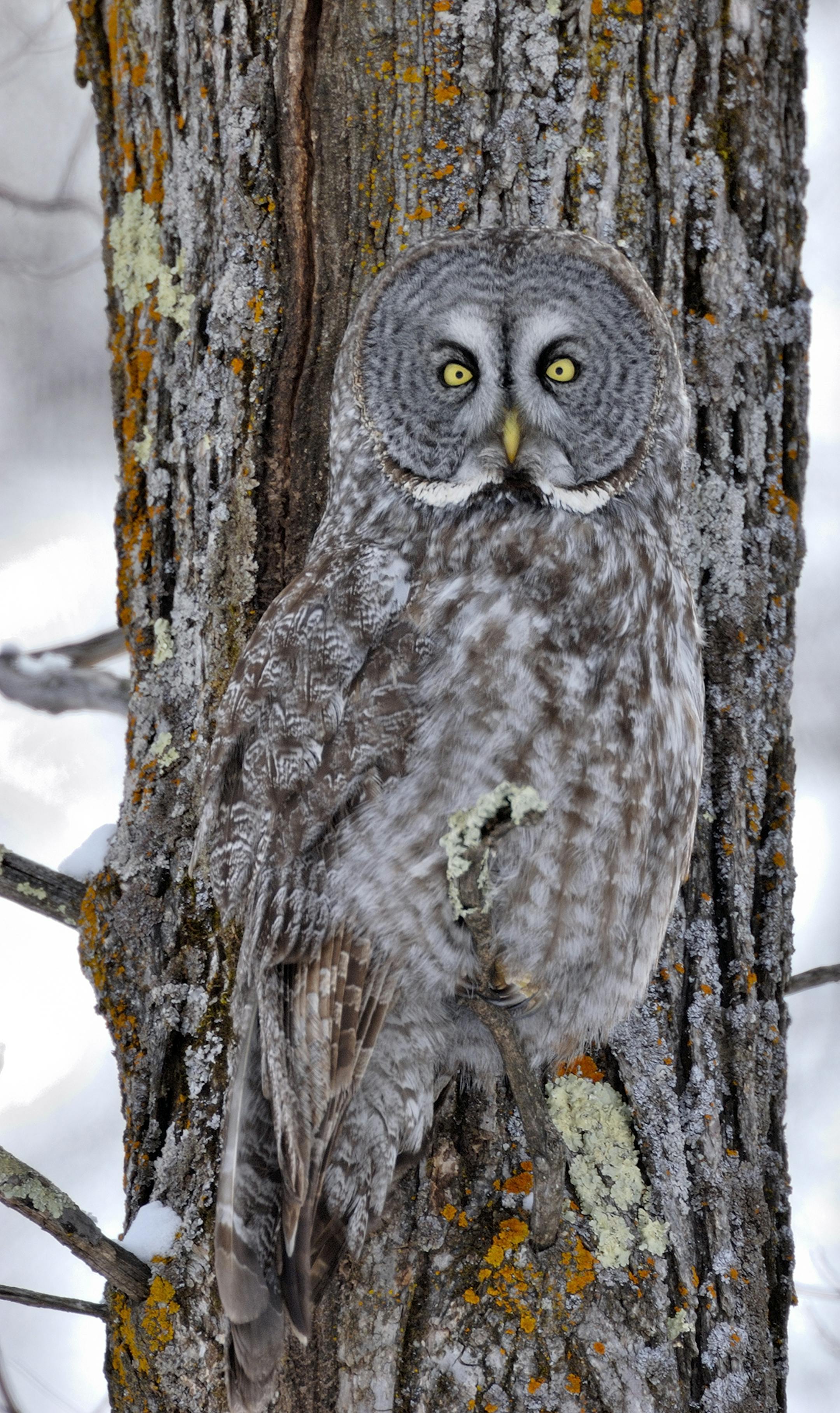
We crank up the thermostat, don winter gear, and go about our business. The critters that inhabit our forests and fields settle into routine, too.
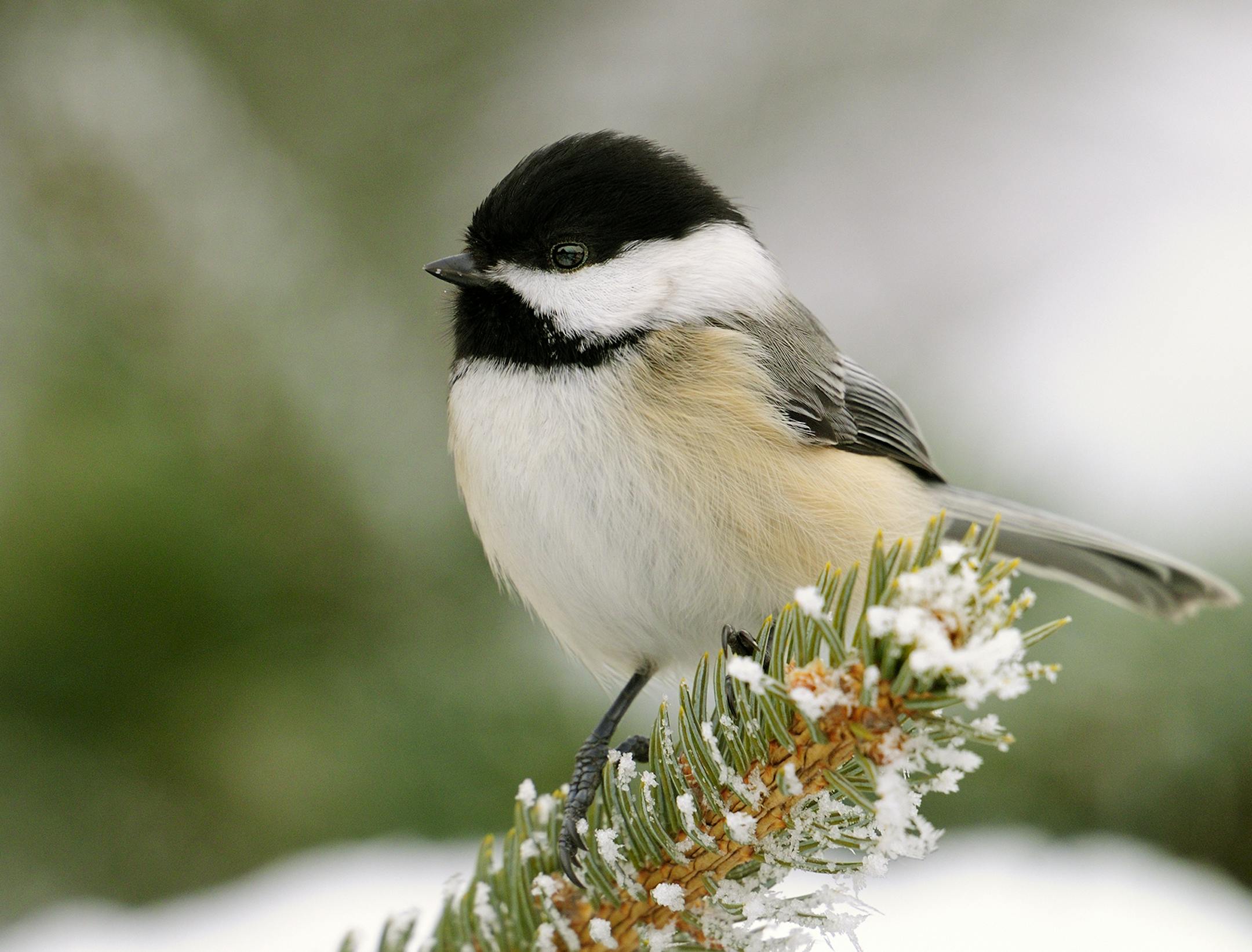
For example, birds have the ability to fluff their feathers to increase the dead air space and thus the insulation factor, much like us when we add extra clothing on those particularly nasty days. And deer store fat during late summer and fall, fuel that they rely on to carry them through winter. The November warm spell helped deer and other wildlife retain those reserves. They are facing winter in good physical condition.
Time will tell the severity and length of winter but, remarkably, most of our furred and feathered friends will survive, each dealing with cold and snow in their own interesting ways.