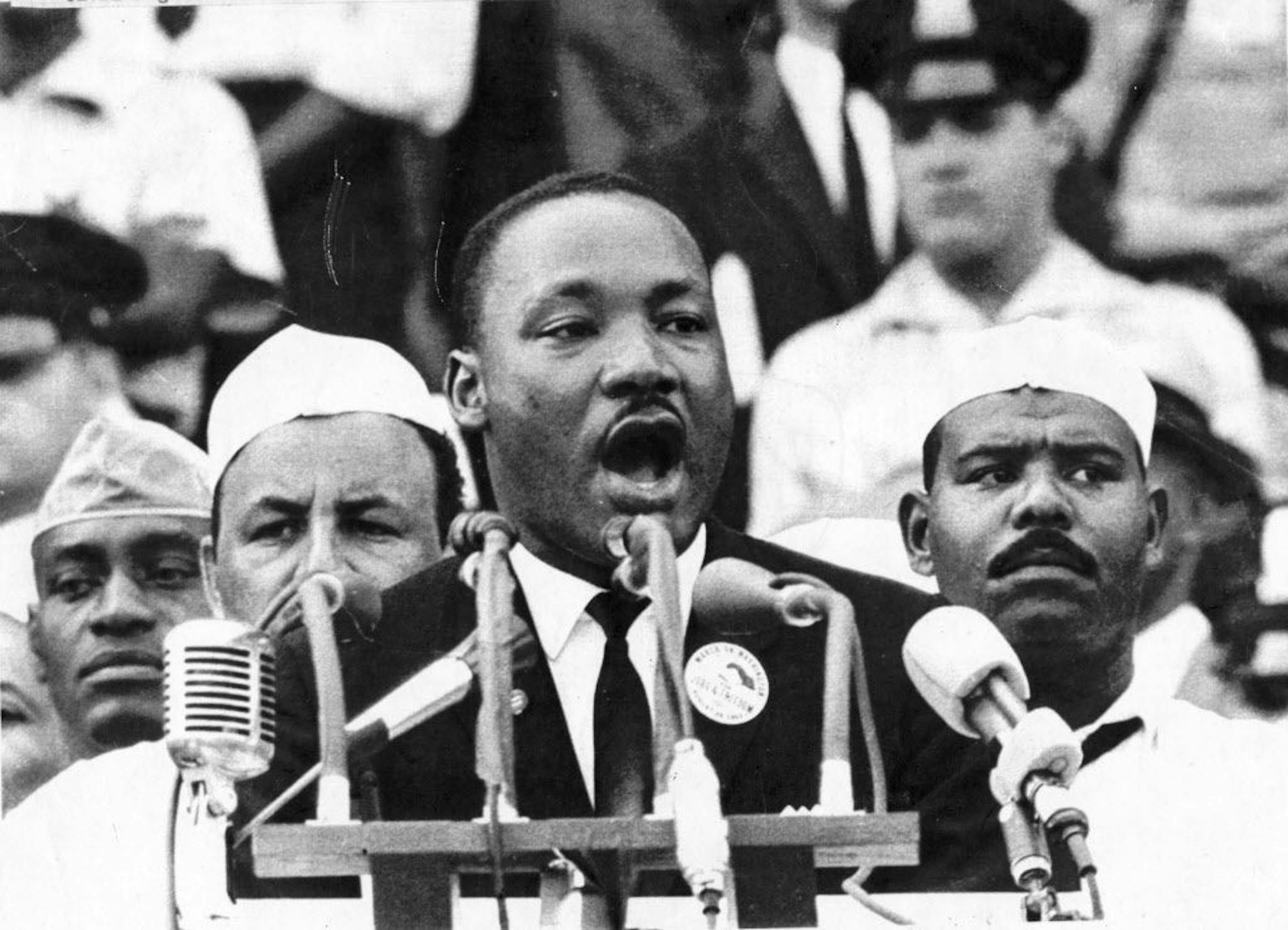
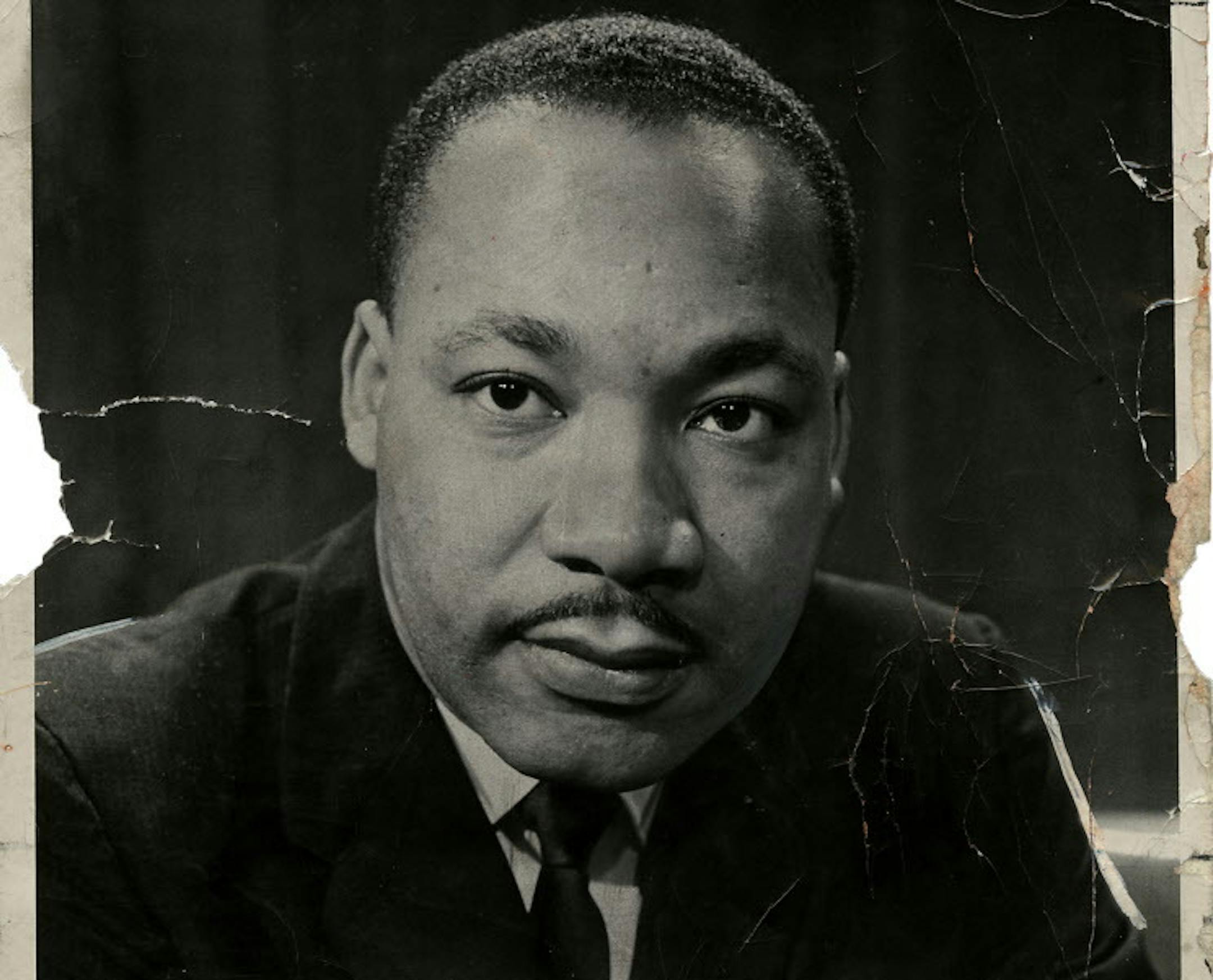
Like the rest of the nation, Twin Cities residents were stunned on April 4, 1968, to learn that Martin Luther King Jr., the nation's pre-eminent civil rights leader, had been assassinated in Memphis.
Black residents in the community felt a combination of sorrow, frustration and anger.
"I could hardly believe a man who had been preaching love and patience could be assassinated," recalled Josie Johnson, who was acting president of the Minneapolis Urban League at the time.
"We were traumatized," Spike Moss, 72, a longtime local black activist, said Tuesday. "Women and children were crying and wailing. I didn't think I would survive that day."
Some 300 people jammed the Sabathani Baptist Church in south Minneapolis that night. Five hundred people, many from the University of Minnesota, marched on City Hall the next day, and 5,000 turned out for events on Sunday, including 3,000 who marched through the streets of Minneapolis.
"The city was in an uproar," recalled Ron Edwards, who was vice chair of the Minneapolis Civil Rights Commission. "We were being called on to try to keep the lid on the city. It was the end of the world as far as people were concerned."
Gary Hines, now the music director for the Grammy-winning Sounds of Blackness, was a 15-year-old student at Minneapolis Central High School, where he was leader of a group called DECOY, Determined Ebony Council of Youth.
"There was anger and frustration," he said. "The last time I had witnessed and felt that level of outrage was when four girls were killed in Birmingham," the infamous bombing of the 16th Street Baptist Church by white supremacists in 1963.