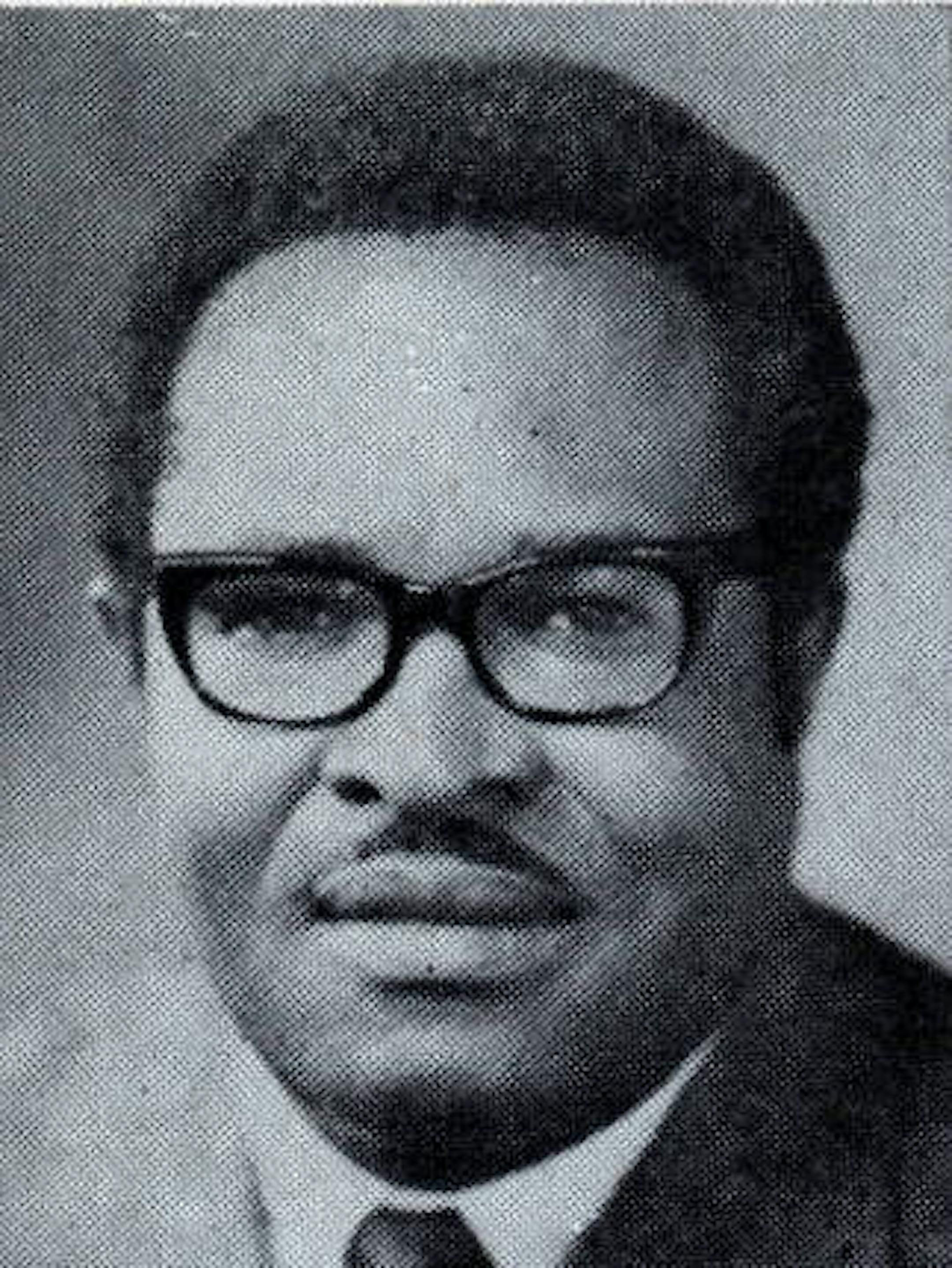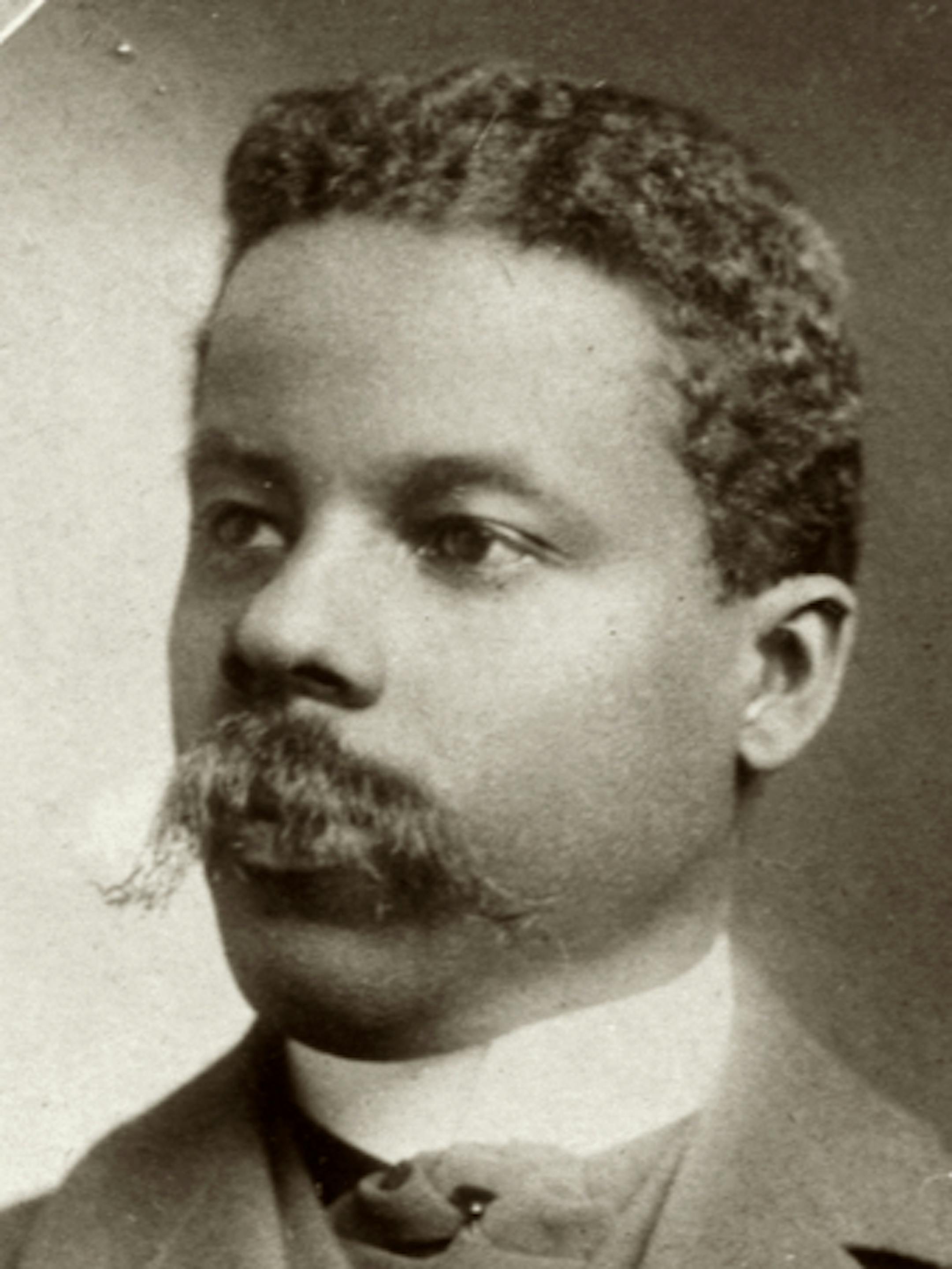
One was a Republican lawyer and skilled orator, originally from Maryland. The other: a Kansas veterinarian and ardent Democrat.
John Francis Wheaton arrived in Minnesota in 1893 — nearly 70 years before Bert Robert Lewis. Their deaths, 57 years apart, came early and surprised those who knew them. Wheaton killed himself at 55, inhaling lethal gas in New York City. Lewis suffered a fatal heart attack at 47 in his Golden Valley home.
Between their moves to Minnesota and those sudden deaths, the two men carved their names into state political history. Wheaton, a descendant of slaves, was the first black man elected to the Minnesota House in 1898. Lewis became the first African-American elected to the state senate 74 years later.
Even before joining the Legislature, Frank Wheaton, as he was commonly known, had earned respect as the first black graduate from the University of Minnesota Law School in 1894.
"Confronted with all the obstacles of race prejudice, John Francis Wheaton has climbed a rugged path such as few men have successfully surmounted and won for himself a record and a name that would be envied by any man," the Minneapolis Journal proclaimed in an 1897 collection of profiles called "Progressive Men of Minnesota."
Born in Hagerstown, Md., in 1866, Wheaton shined shoes and milked cows to earn money while attending college in West Virginia to become a teacher. At only 22, he served as an alternative delegate at the 1888 Republican National Convention in Chicago.
A popular stump speaker, he landed a clerkship in Congress while studying law at Howard University. When Republicans came to Minneapolis for their national convention in 1892, renominating President Benjamin Harrison, Wheaton must have liked what he saw.
"Tiring of his continual struggle against the disadvantages imposed upon men of his color," the Minneapolis Journal said, he moved to Minnesota in 1893 and attended law school at the U while working as a hotel waiter and railroad porter.