

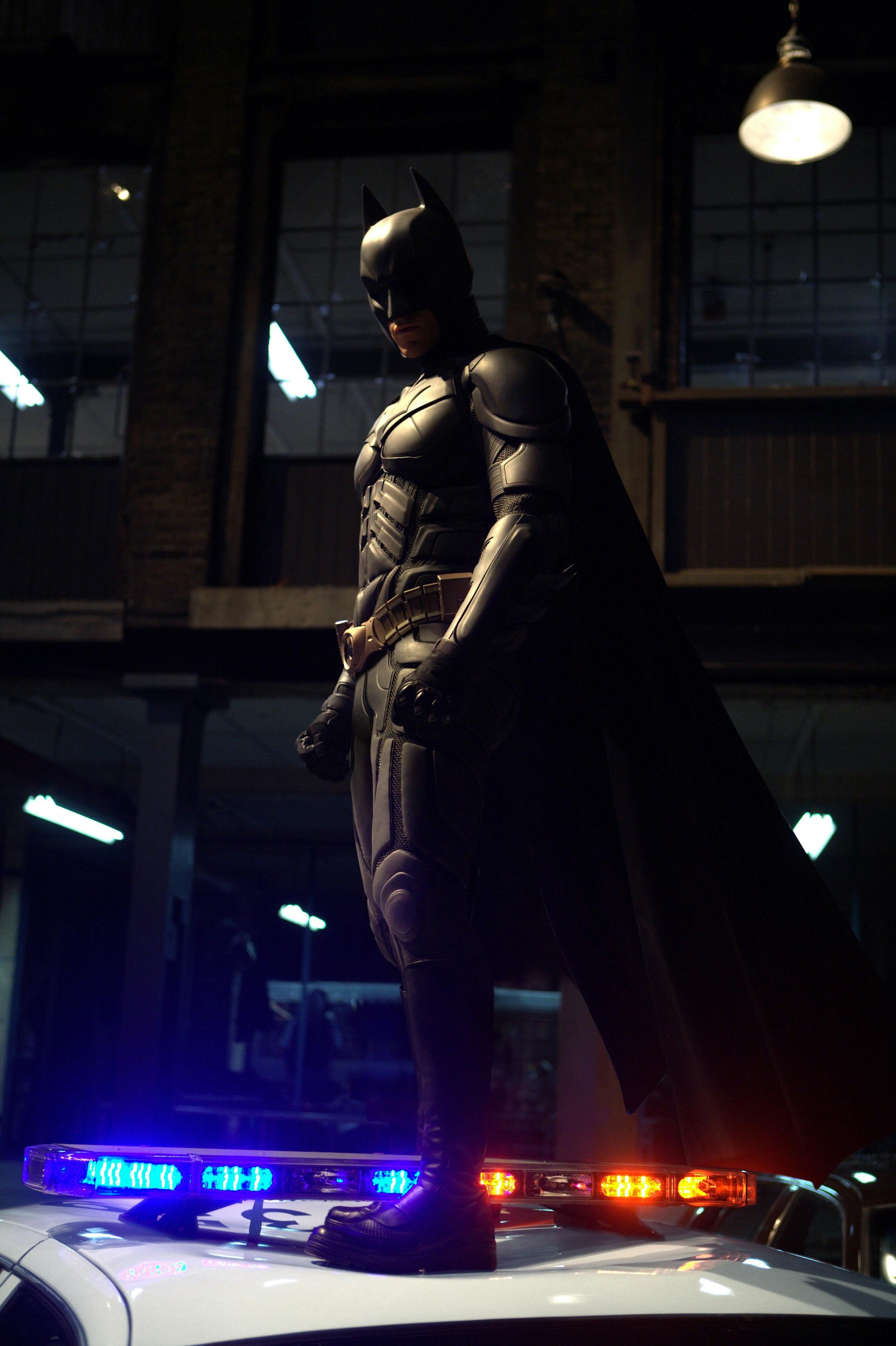
Last week, it was the Green Lantern on the couch. Before that, Batman. And at the Kenwood Therapy Center, psychologist Walter Bera's clients also often talk about Wonder Woman.
They're all superheroes and they all have weaknesses that make helpful metaphors for the challenges we humdrum humans face.
"There's much more acceptance of our heroes talking about their difficulties," said Bera, who sees new hero depictions as more honest and less black-and-white than in decades past. "It's easier to identify with them. They're less godlike or perfect. Virtually everyone has things they're ashamed of or have difficulty with."
In "The Dark Knight," opening today, Batman struggles with the burden of being powerful -- the kind of angst seen recently with other blemished, big-screen superheroes. From the heartless womanizing of Iron Man and childhood trauma of the Hulk, to the disheveled heroism of Hancock and the fiery depths of Hellboy, today's big-screen heroes ward off powerful villains while also battling their own mortal vulnerabilities.
"The complex characters have become much more common sources of helping make sense of your own life," Bera said. "It's a healthy thing to be more honest and it provides a more complete accounting of the different themes in a person's life."
And so viewers watch with rapt attention as a simple Achilles' heel -- Kryptonite, in Superman's case -- morphs into more believable themes of how our heroes wrestle with hidden identity, political strife and personal ethics.
"It has become a very real part of these stories, where these characters have to overcome not just that obstacle that is thrown in front of them by the bad guy, but overcome the obstacles within," said Dan Jurgens, an Edina writer/artist with DC Comics who worked on "Superman" for about a decade.
"A hero who has to overcome personal character flaws tends to be more interesting than one who does not."


