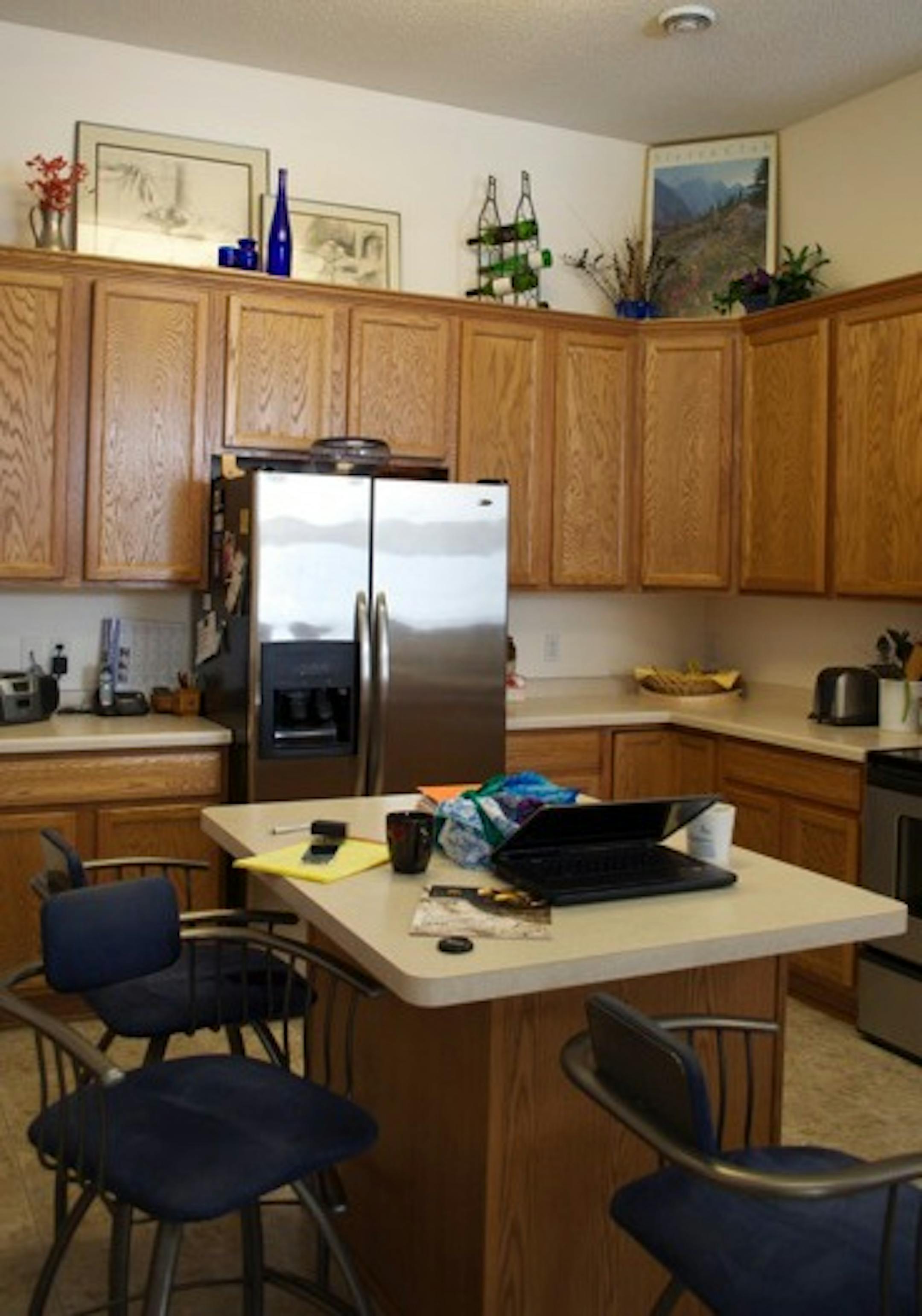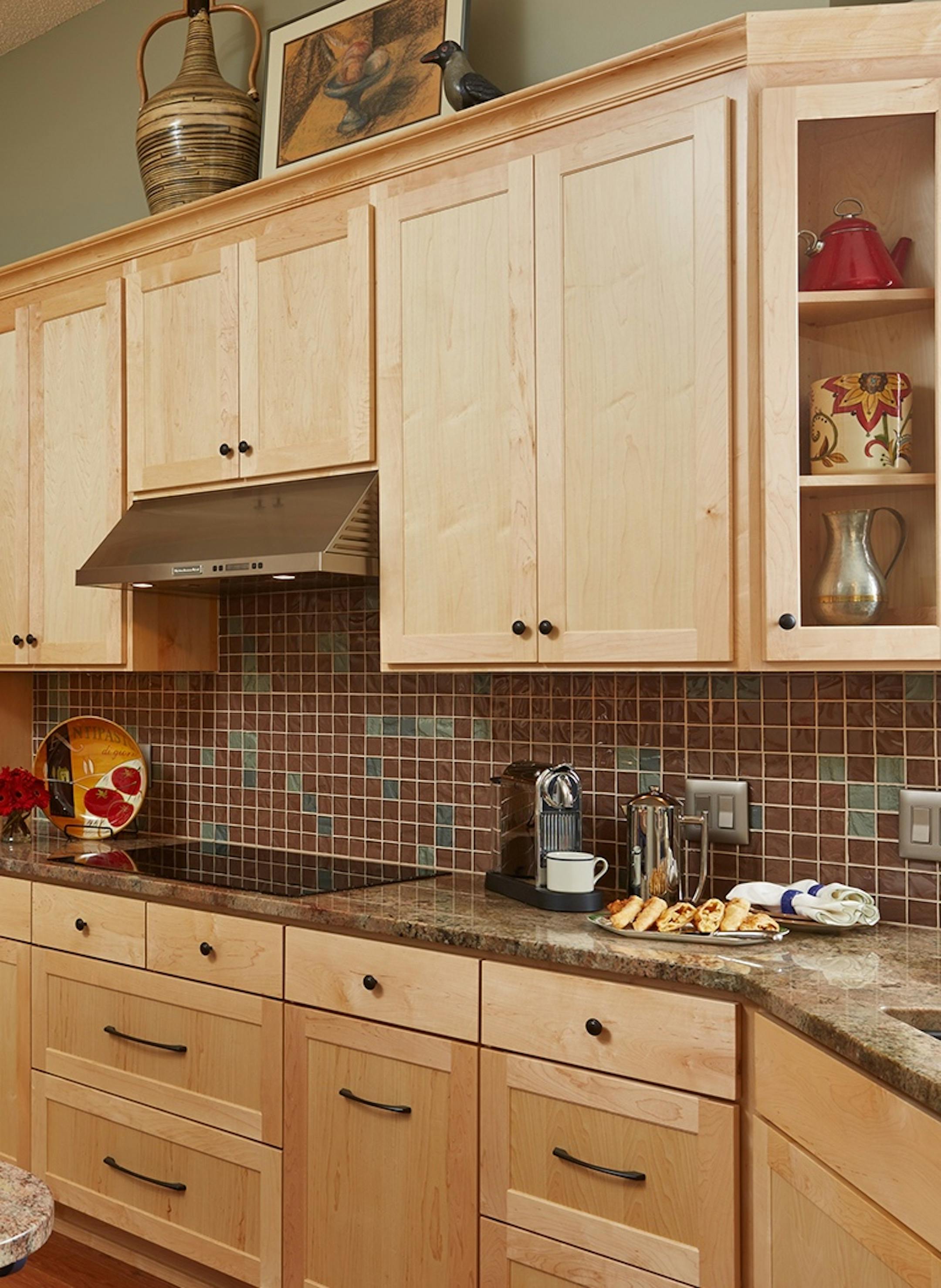
The challenge: Marge Brchan is a gourmet cook, but it was becoming increasingly difficult for her to navigate the kitchen of her Blaine townhouse. Brchan has facioscapulohumeral disease, a type of muscular dystrophy, which affects her balance and her ability to lift things or walk without assistance. The disease is progressive, and she'd reached the point she could no longer cook without the help of her husband, Dale.
The designer: Susan E. Brown, Susan E. Brown Interior Design, St. Paul, 651-330-8707, www.susanebrown.com.
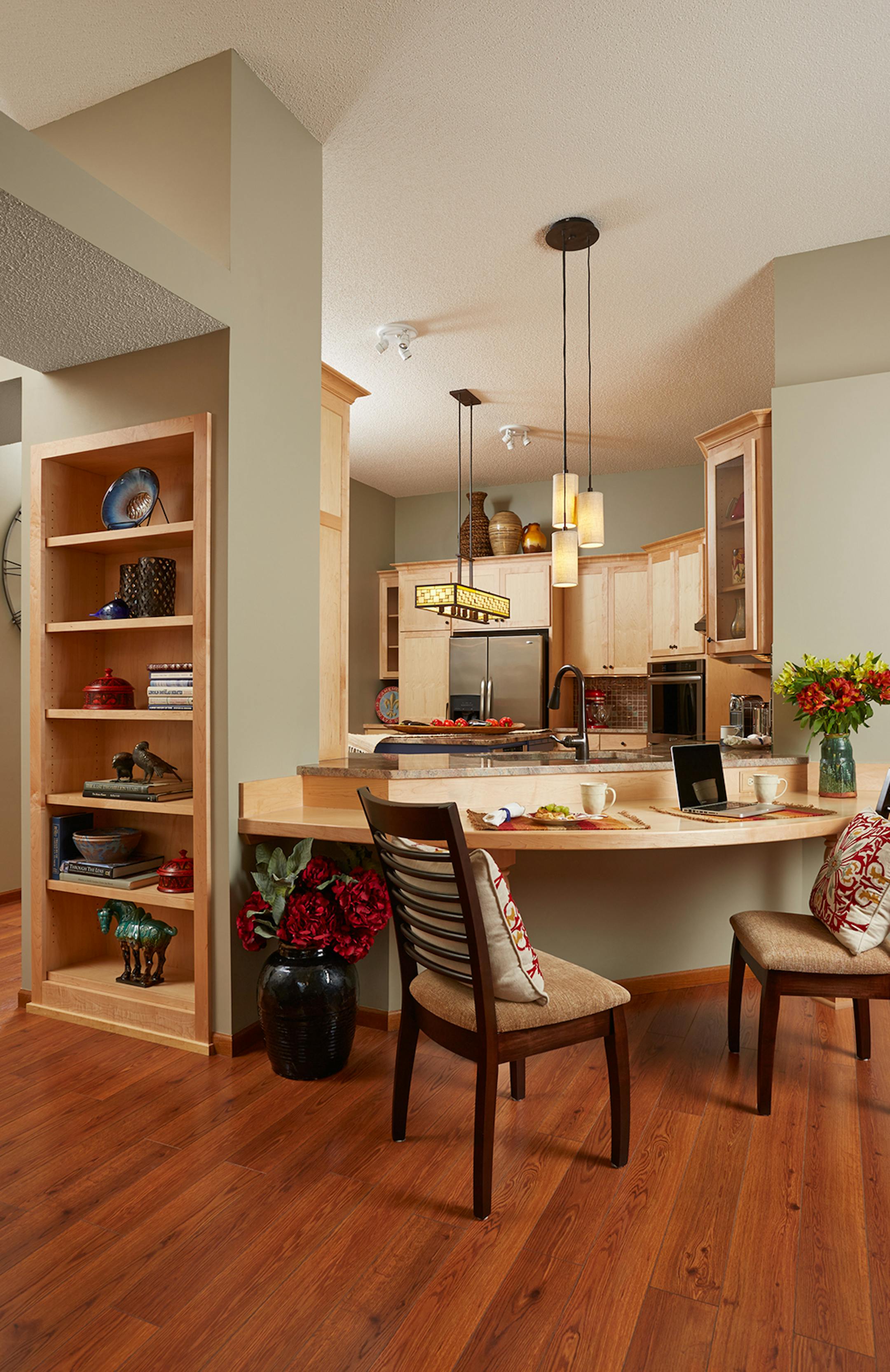
The goal: Brchan needed a kitchen that accommodated her physical limitations — without announcing them. "Cooking is something I love to do," she said. "But I detest institutional-looking kitchens. I wanted my kitchen to be warm and inviting."
An investment in healthy aging: Initially, the Brchans intended to make a few modest changes. But as they explored their options, they ultimately decided to gut the kitchen and start from scratch. Marge, who retired three years ago from a career in nursing and health care policy, realized that a workable kitchen was an important investment in her long-term health. "The key components of healthy aging are nutrition, social interaction and exercise," she said. "When you can do home cooking, you're eating less packaged food. You're socializing, entertaining family and friends, and you're getting exercise. It combined all these components of positive living and quality of life. I was preaching but not following. It took me a while."
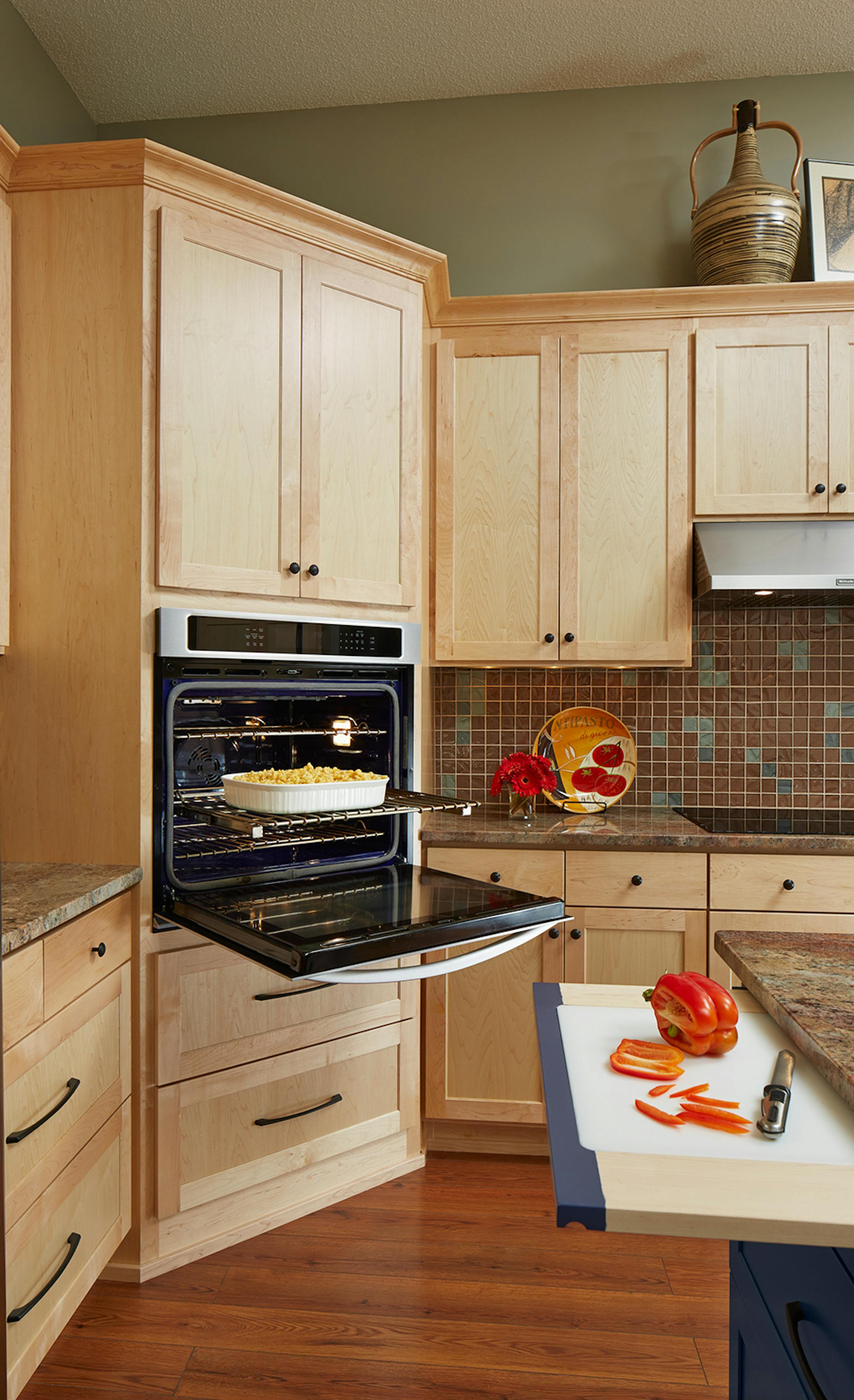
Safety first: Safety and functionality were high on the list of priorities for the Brchans' new kitchen. "She has a lot of unique needs," Brown said of Marge. Sometimes she loses muscle strength without warning, which can pose a safety hazard when lifting hot, heavy pans out of the oven. Brown designed the kitchen with a wall oven at countertop height, with locking oven shelves, as a precaution should Marge lose control of a hot casserole.
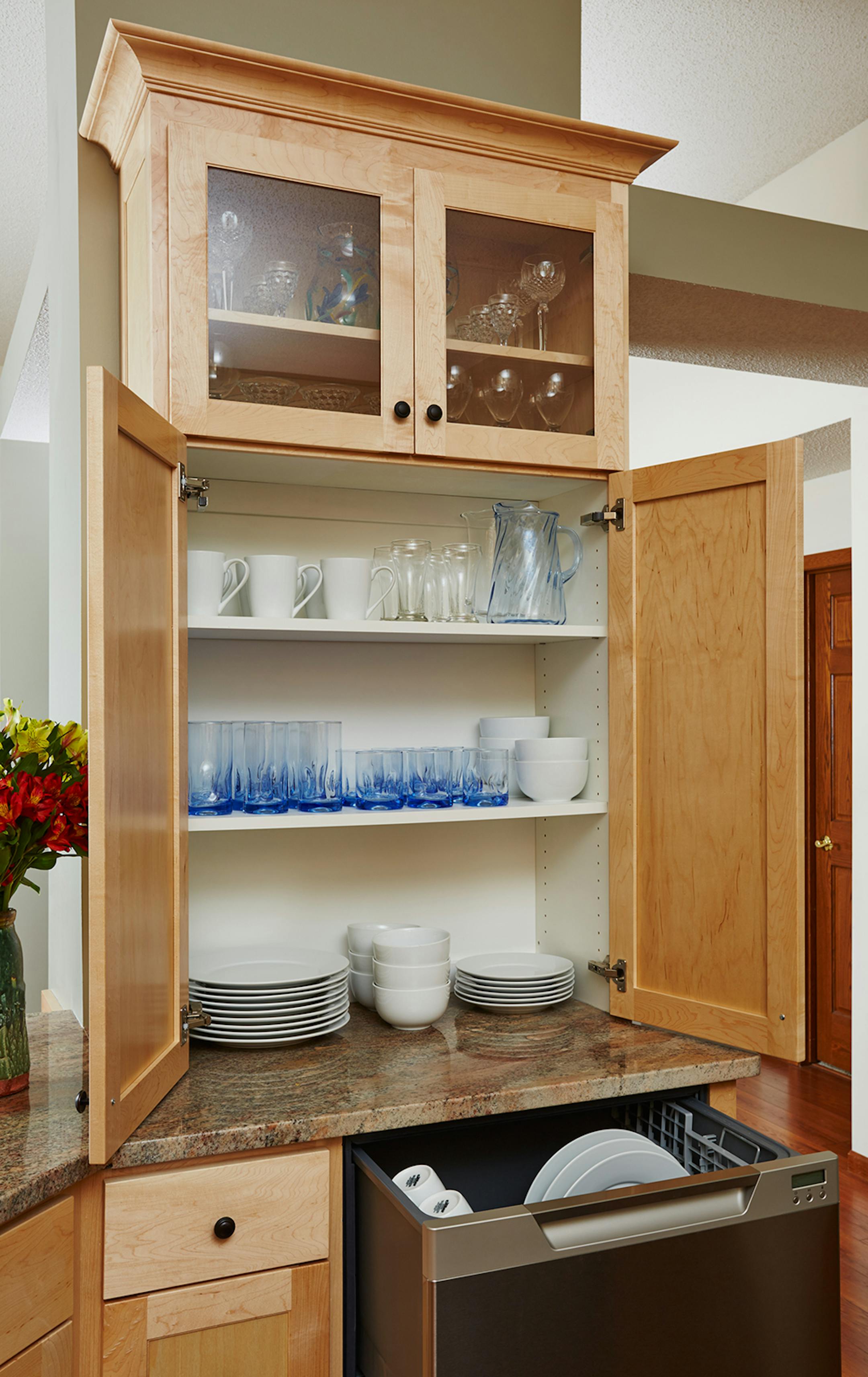
Accessible storage: Rollout and pull-down inserts in drawers and cabinets gave Marge easier access to their contents. Brown also increased storage in Marge's "prime real estate" areas — the lower shelf in upper cabinets and the top drawers in lower cabinets. She now has more accessible storage space in those key areas than she had in her entire kitchen before the makeover, she said.
Functional plan: The Brchans needed efficient work spaces with countertop areas that could be used for different tasks, such as baking or salad prep. "Work areas flow from one to the other," Marge said, and there's room for guests to gather in the kitchen while she's cooking. A two-tiered counter surface offers additional versatility, allowing her to work on her laptop or do food prep while standing or seated. "She's so active, despite her disabilities," Brown said. "She has a lot of hobbies."
Eliminating barriers: All areas needed to accommodate Marge's walker, should she need to use it, or a wheelchair if one becomes necessary. The flooring also needed to be walker-friendly. Tile was out, because of its hard uneven surface. "She needed something with a bit of cush," Brown said, but not tacky or slippery. They settled on wood-look laminate.