

The usually dry pages of the New England Journal of Medicine recently offered a riveting reminder that there's a price to be paid when debate over the Affordable Care Act tilts heavily toward its flaws and away from its potentially lifesaving benefits.
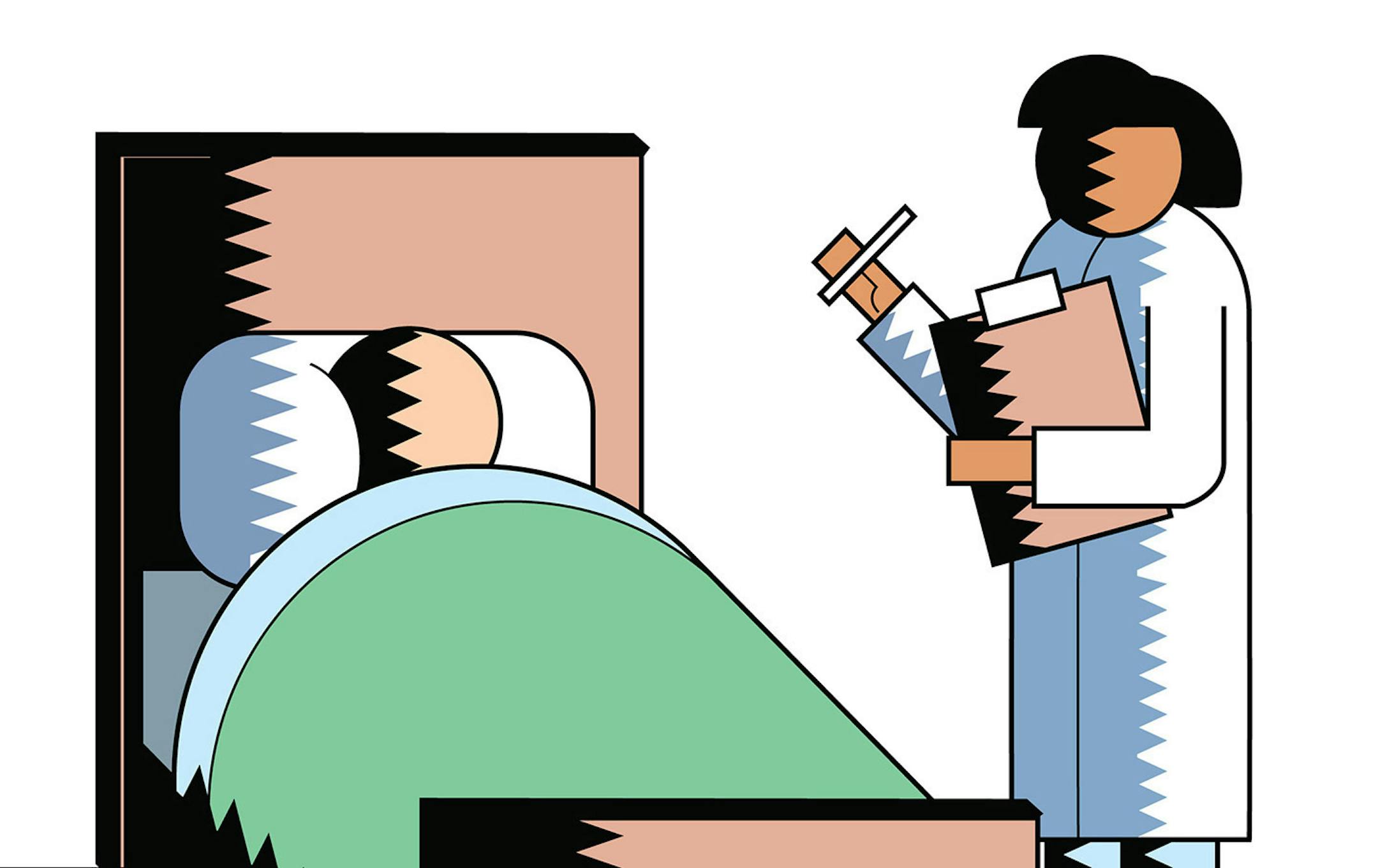
"Dead Man Walking" was the headline on the Nov. 14 article in the prestigious publication. In it, two Kentucky physicians relay the heart-rending account of a "Mr. Davis," a "U.S. citizen who will die because he is uninsured.'' For privacy reasons, the doctors did not use their patient's real name.
Mr. Davis and his wife both worked full-time but were chronically without health insurance, falling into the treacherous gap that the Affordable Care Act (ACA) aims to help people out of. They made too much to qualify for public medical assistance but not enough to afford coverage on their own.
A year before the doctors saw him at their clinic for the poor, Mr. Davis sought medical care for symptoms suggestive of colon cancer. He was told at that time that he needed "adequate insurance" for a full evaluation.
He couldn't afford coverage. He bore the weight loss, growing pain and indignity of this fearsome disease for a year before finally going to the clinic. It was too late. The cancer was widespread, and he chose to forgo treatment, uttering on his own as his wife sobbed that he was a "dead man walking.''
While it can't be proved conclusively that having health insurance would have saved Mr. Davis's life, timely evaluation and treatment certainly would have given him something he never had — a fighting chance. As criticism mounts over the ACA's rocky rollout, his plight is an important reminder of why it's important to take the long view when it comes to this landmark law.
There shouldn't be suffering like Mr. Davis endured in the world's wealthiest, most technologically advanced nation. If the ACA is given a chance to work, as the Medicare Part D prescription drug program was during its troubled launch, the coverage gap that Mr. Davis fell into will substantially narrow and perhaps close eventually as the law is improved.
Lives lost now because of a lack of medical coverage — the medical journal articles estimates the toll at 45,000 adult deaths a year — could be saved. Those who argue that the old health care system was fine don't understand the deadly consequences of being a "medical have-not." Or, even worse, they don't care.


