
AAA study finds hands-free technology is not safer

New research reveals that voice-activated in-car technologies dangerously undermine driver attention.

June 13, 2013 at 10:45AM
(The Minnesota Star Tribune)

With infotainment systems in vehicle expected to increase by five fold in the next few years, AAA is asking for tougher laws and action to prevent cases of distracted driving.

A new study by the AAA Foundation for Traffic Safety found that drivers who use hands-free technology such as phones, Facebook or voice texting are still a danger on the road. That is because of mental distractions.

The distracted driving research found that as mental workload and distractions increase, reaction time slows, brain function is compromised, drivers scan the road less and miss visual cues, potentially resulting in drivers not seeing items right in front of them including stop signs and pedestrians.

"There is a looming public safety crisis ahead with the future proliferation of these in-vehicle technologies," said AAA President and CEO Robert L. Darbelnet.

"It's time to consider limiting new and potentially dangerous mental distractions built into cars, particularly with the common public misperception that hands-free means risk-free," he said.

Here is a summary of the research and what AAA is calling for:

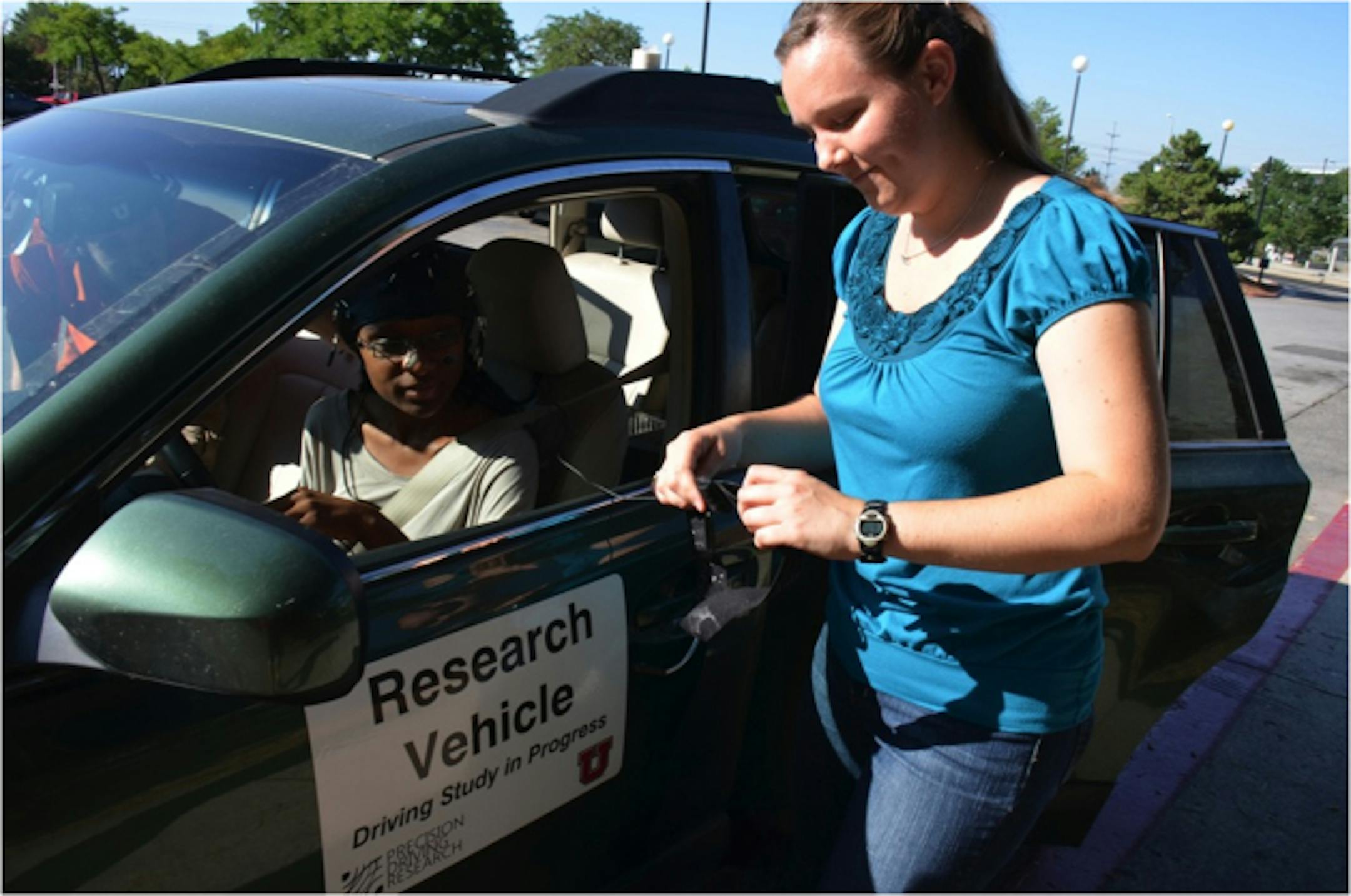
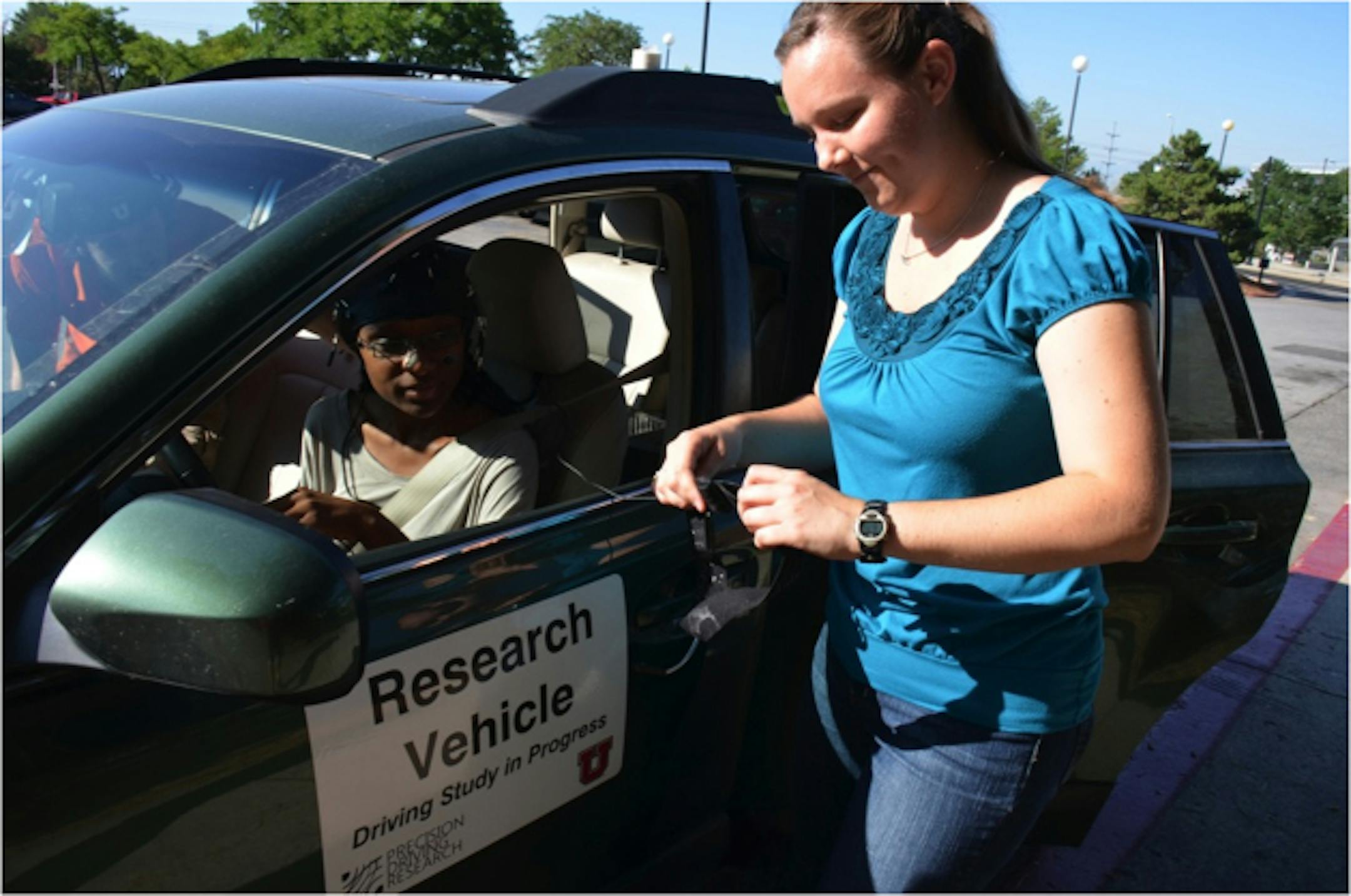
Cognitive distraction expert Dr. David Strayer and his research team at the University of Utah measured brainwaves, eye movement and other metrics to assess what happens to drivers' mental workload when they attempt to do multiple things at once, building upon decades of research in the aerospace and automotive industries. The research included:

  • Cameras mounted inside an instrumented car to track eye and head movement of drivers.
    • A Detection-Response-Task device known as the "DRT" was used to record driver reaction time in response to triggers of red and green lights added to their field of vision.
      • A special electroencephalographic (EEG)-configured skull cap was used to chart participants' brain activity so that researchers could determine mental workload.

        Using established research protocols borrowed from aviation psychology and a variety of performance metrics, drivers engaged in common tasks, from listening to an audio book or talking on the phone to listening and responding to voice-activated emails while behind the wheel.

        Researchers used the results to rate the levels of mental distraction drivers experienced while performing each of the tasks. Similar to the Saffir-Simpson scale used for hurricanes, the levels of mental distraction are represented on a scale:

        • Tasks such as listening to the radio ranked as a category "1" level of distraction or a minimal risk.
          • Talking on a cell-phone, both handheld and hands-free, resulted in a "2" or a moderate risk.
            • Listening and responding to in-vehicle, voice-activated email features increased mental workload and distraction levels of the drivers to a "3" rating or one of extensive risk.

              "These findings reinforce previous research that hands-free is not risk-free," said AAA Foundation President and CEO Peter Kissinger. "Increased mental workload and cognitive distractions can lead to a type of tunnel vision or inattention blindness where motorists don't see potential hazards right in front of them."

              Based on this research, AAA urges the automotive and electronics industries to join us in exploring:

              • Limiting use of voice-activated technology to core driving-related activities such as climate control, windshield wipers and cruise control, and to ensure these applications do not lead to increased safety risk due to mental distraction while the car is moving.
                • Disabling certain functionalities of voice-to-text technologies such as using social media or interacting with e-mail and text messages so that they are inoperable while the vehicle is in motion.
                  • Educating vehicle owners and mobile device users about the responsible use and safety risks for in-vehicle technologies

                    To view the full Cognitive Distraction in the Vehicle report, the AAA Foundation's Research Compendium on Cognitive Distraction or AAA's Distracted Driving Fact Sheet visit www.newsroom.aaa.com

                    about the writer

                    about the writer

                    Tim Harlow

                    Reporter

                    Tim Harlow covers traffic and transportation issues in the Minneapolis-St. Paul area, and likes to get out of the office, even during rush hour. He also covers the suburbs in northern Hennepin and all of Anoka counties, plus breaking news and weather.

                    See Moreicon

                    More from No Section

                    See More
                    FILE -- A rent deposit slot at an apartment complex in Tucker, Ga., on July 21, 2020. As an eviction crisis has seemed increasingly likely this summer, everyone in the housing market has made the same plea to Washington: Send money — lots of it — that would keep renters in their homes and landlords afloat. (Melissa Golden/The New York Times) ORG XMIT: XNYT58
                    Melissa Golden/The New York Times

                    It’s too soon to tell how much the immigration crackdown is to blame.