

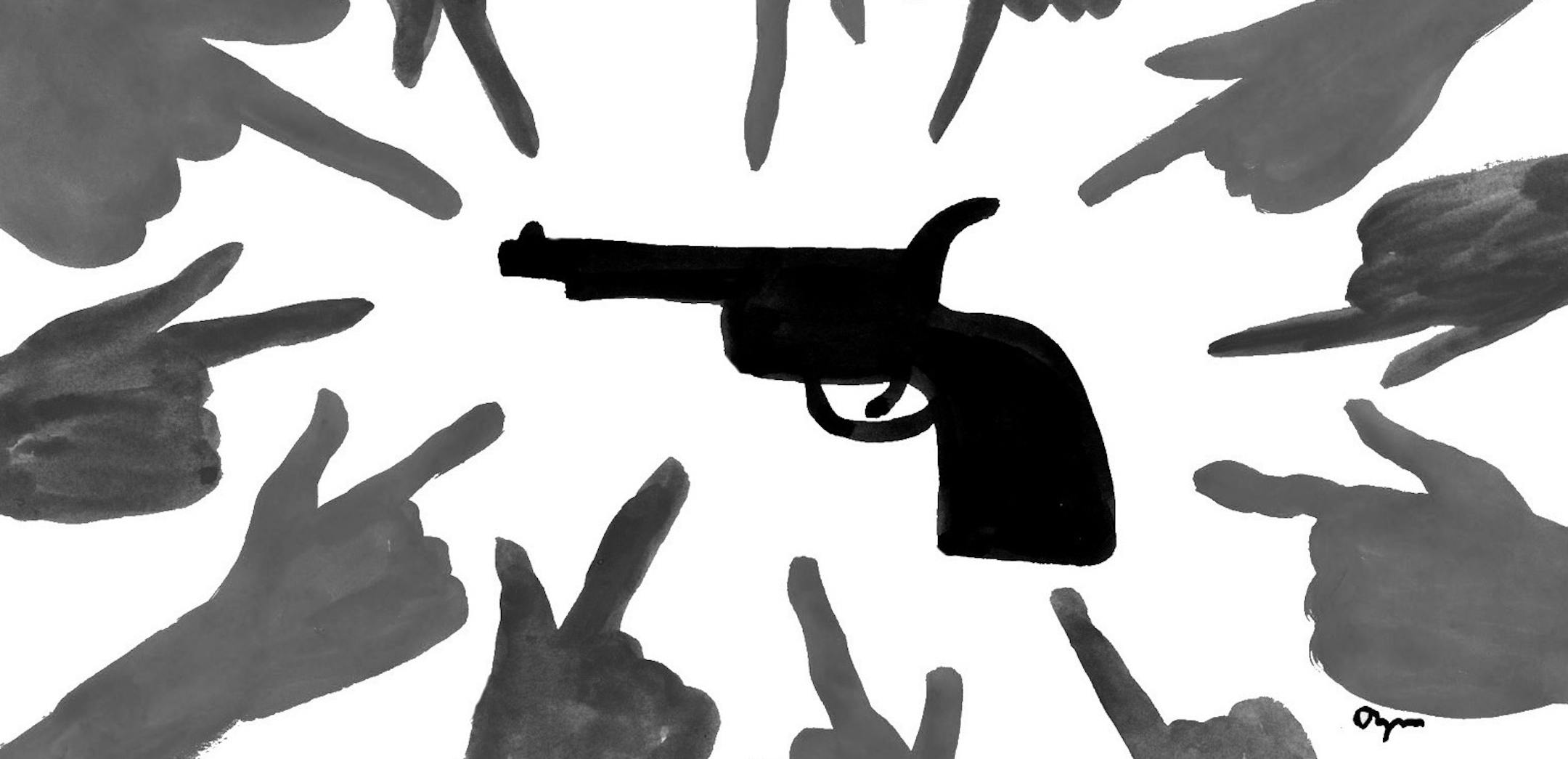
A recent rash of fatal shootings in Minneapolis and St. Paul turned a sharp spotlight on gun crimes. During the first 20 days of October alone, 10 people were killed in the two core cities — all fatally wounded by gunfire. In September, six people were wounded by gunfire near the Target Center in an area saturated with police officers.
In response, St. Paul officials moved cops from other specialty units to areas where the gun crimes have occurred. And earlier this month, Minneapolis and Hennepin County officials announced a new specialized unit of six veteran detectives who will focus on repeat gun offenders. A special prosecutor from the Hennepin County attorney's office will be assigned to the unit to help speed prosecutions.
That's a sensible strategy — target the firearms offenders. Still, arrests and prosecutions won't accomplish much without solid sentences to keep repeat gun offenders behind bars.
Minnesota statutes say that felons cannot possess guns or ammunition; violating that law carries a minimum sentence of five years. However, the Minnesota Sentencing Guideline Commission 2015 report to the Legislature (covering cases for the year ending in June 2014) indicates that the minimum is often not imposed.
Statewide, of 662 cases in which there were convictions involving a firearm, 397 presumed minimum sentences were issued. In Hennepin County, minimums were imposed in 149 of 257 gun cases; in Ramsey County, the minimum sentence was meted out in 92 of 141 cases.
Understandably, there can be circumstances that would merit deviations from the minimums. An offender may receive a shorter sentence for helping with another case, or other charges against the accused might carry even longer sentences. Yet it could only help reduce the number of gun crimes if more repeat firearm offenders stayed in jail longer.
Minneapolis officials report that violent crime is up 5 percent over last year. By Oct. 31 of this year, 526 people had been arrested in incidents where a firearm was recovered; 17 of them had been arrested more than once with a gun.
During a news conference, Police Chief Janeé Harteau pointed out that many of the repeat shooters also become victims when they use weapons to settle conflicts with each other. She said the new unit will respond to and investigate all shootings, "regardless of whether the victim is cooperative or not."


