

Opinion editor's note: Editorials represent the opinions of the Star Tribune Editorial Board, which operates independently from the newsroom.
•••
There's a hesitation against making glib statements about the winter storm that consumed the nation leading up to and during the Christmas holiday. Dozens of deaths have been linked to the storm, with an epicenter in the snow belt of western New York.
But the fact remains: The weather doesn't consult our calendars for scheduling conflicts, doesn't care if our systems are ready, and sometimes has its way with those who fail to give danger the respect it warrants. Though many people suffering various consequences of the storm found themselves unavoidably in the wrong place at the wrong time, others placed themselves there.
This particular storm was well-advertised and turned out to be as broadly significant as forecasters warned. It was a stress test for networks of human design. There were failures.
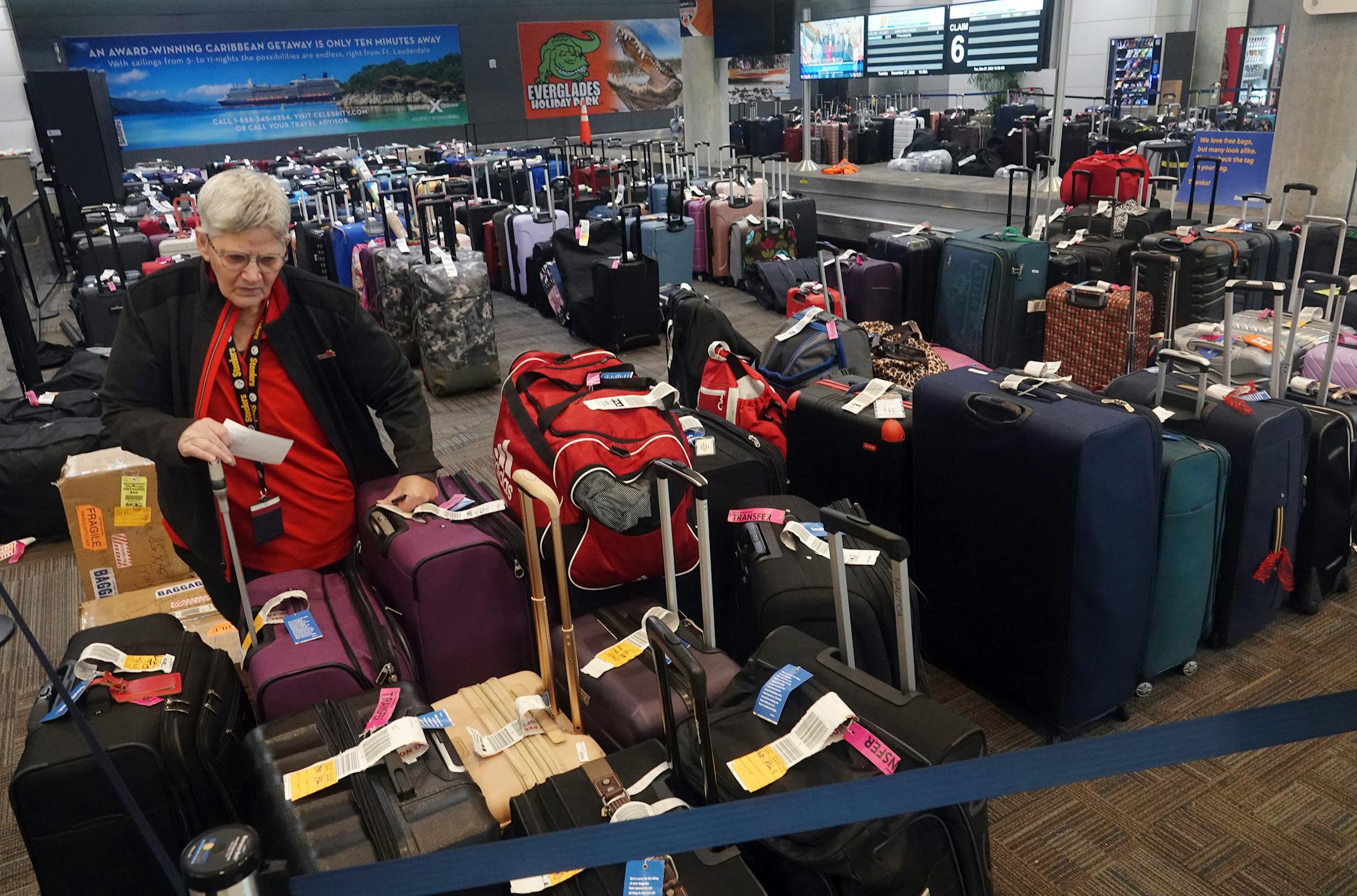
Flight cancellations were numerous, as you'd expect when airports are struggling to keep their runways safe for takeoff and landing. All of the airlines left people in limbo — which we would note is better than being stranded outdoors — but one did worse than the others.
By Tuesday, when most of the airlines were getting back on track, Southwest was still canceling two-thirds of its flights, accounting for 86% of all domestic cancellations. It's fair to ask why, as U.S. regulators did.
The airline's executives said they needed to stay on a reduced schedule in order to get their system back in balance. The difficulties were attributed to several factors beyond the weather, including the particular setup of Southwest's routes and an overwhelmed scheduling system for crews.


