

NBA history is littered with a college coaches who have tried to leap to the NBA's longer games and vastly longer season and failed.
Timberwolves President of Basketball Operations Flip Saunders vows to look in "all places" for the correct candidate who has both the "clout" and head coaching experience to replace retired Rick Adelman. That likely includes looking at established college coaches — Michigan State's Tom Izzo, Florida's Billy Donovan and still possibly Iowa State's Fred Hoiberg among them.
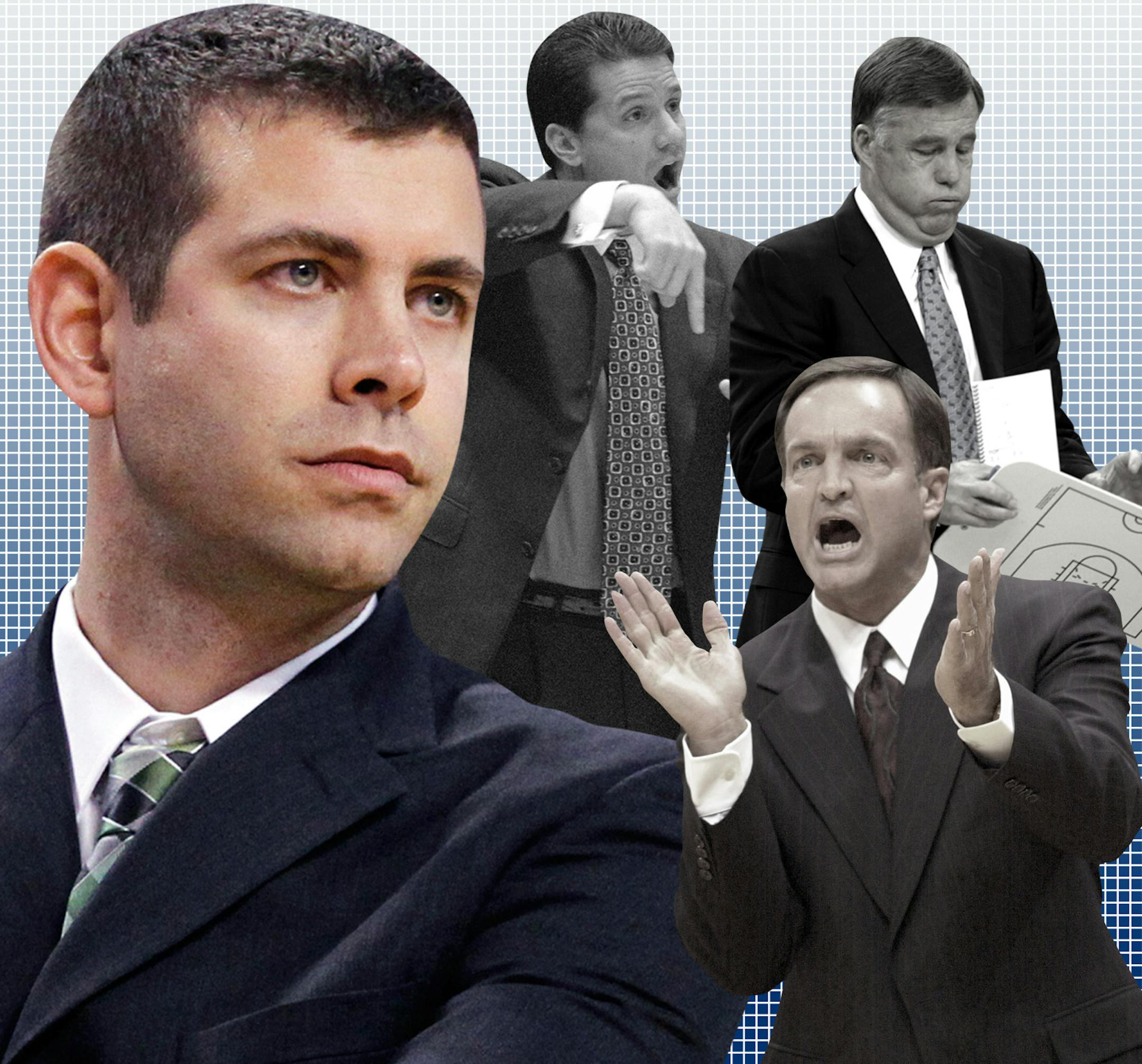
Here's a look at what kind of leap a college coach must make, just nine months after Boston tried again by plucking wunderkind Brad Stevens away from the collegiate game:
The Games, Part I
They're longer.
Eight minutes longer, from college basketball's two 20-minute halves to the NBA's four 12-minute quarters.
"It's much different, it's 120 possessions versus 70," the Celtics' Stevens said last season. "The game is just so much longer, which is twofold: 1. If you get a good thing going, you've got to keep that good thing going. No. 2: You might be out of it in a college game with three minutes to go down 10, here you can get right back in it."
It's not just the game's length, either: The NBA has a shorter 24-second shot clock compared to the college game's 35-second clock. The NBA game also has more and longer timeouts.
"The longer timeouts, the number of timeouts, the number of possessions, the shorter clock … all those things factor into the nuances of the NBA," said Toronto coach Dwane Casey, a college assistant at Kentucky in the 1980s. "In college, you have the long clock and your continuity offense down pat. In the NBA, you might have 14 seconds on the clock, you might have eight seconds on the clock. There are so many things you have to be prepared for in a shorter amount of time."


