Many locals view Minnesota as an exceptionally green community -- and why not? The recycling rate here consistently ranks among the nation's top five.
But Minnesota Green Corps -- a new statewide program that's training a fresh crop of environmentalists -- wants to dissect a different statistic: why the rate has not improved in nearly a decade. To learn more about its residents' recycling habits, and work to reignite the green campaign, the corps launched a 12-month project aimed at providing answers.
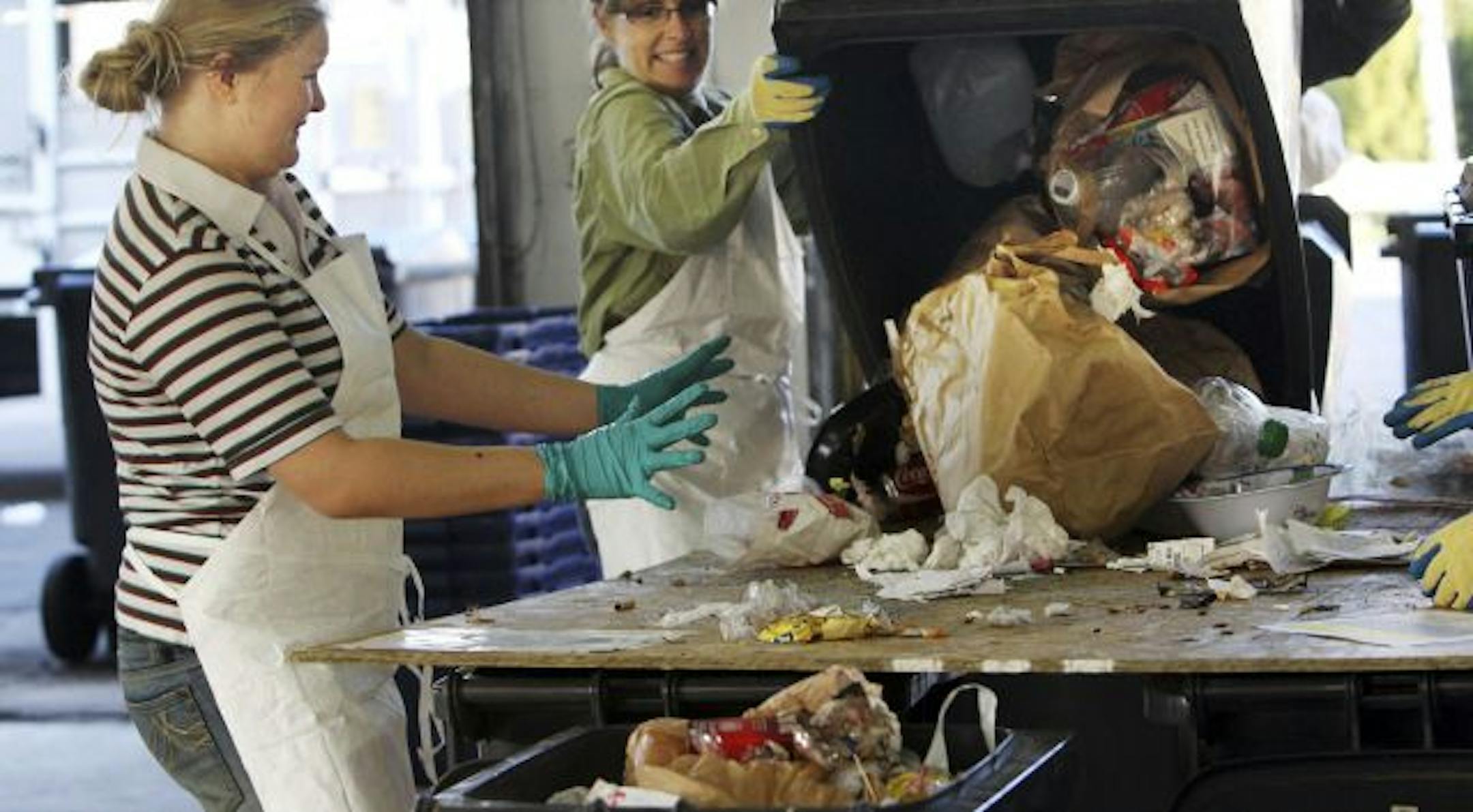
The work began last week, with workers sorting and analyzing trash from 100 houses in Minneapolis' Seward neighborhood. It's a dirty job -- part of the day's "fun" included maggot races -- but it's a project that Minnesota Green Corps, a division of Americorp, believes will make a difference.
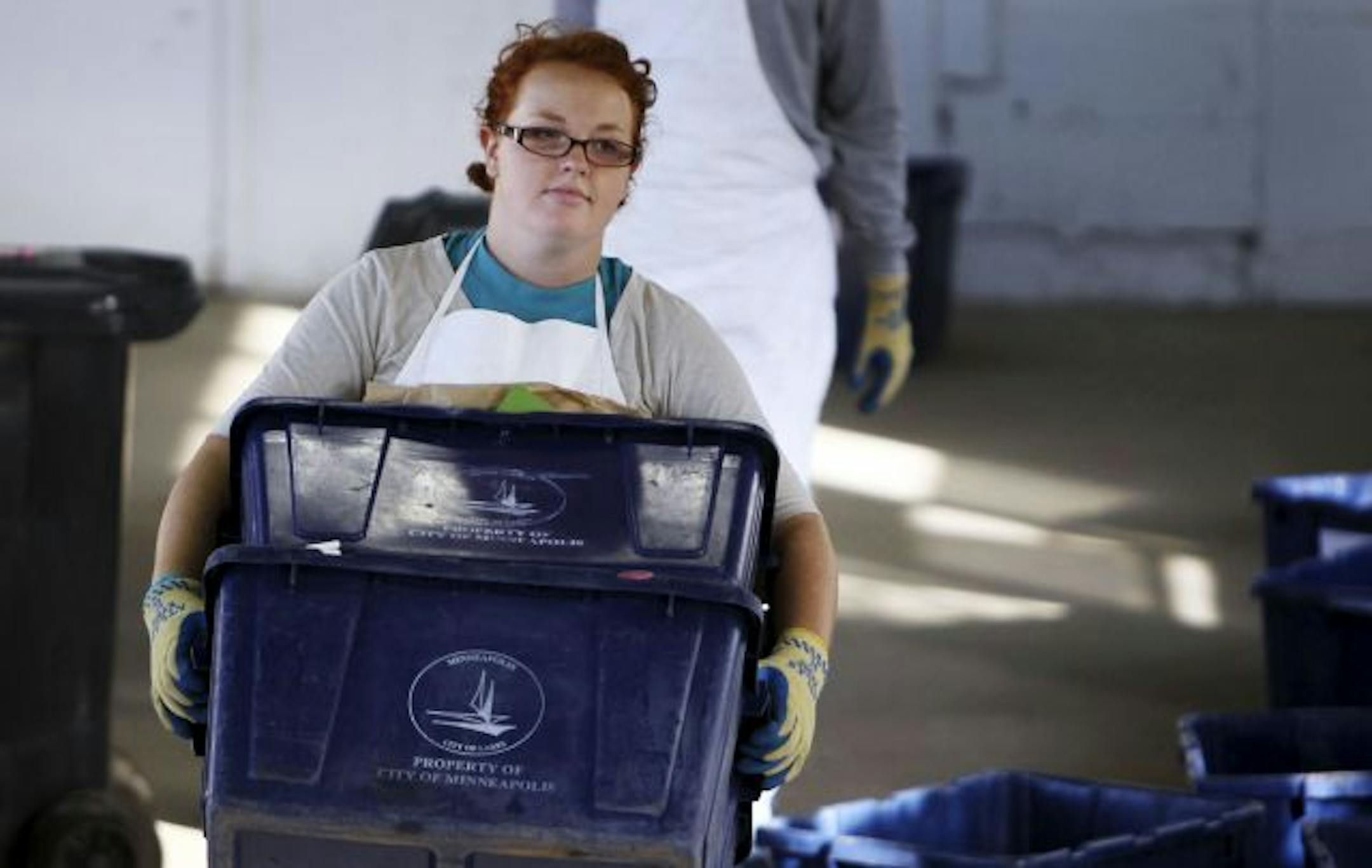
"How can you really tell people what to do if you don't know what's in there?" said Pam McCurdy, a strategic marketing specialist for the Minnesota Pollution Control Agency, which runs the Green Corps program. "You have to get in there," she said, looking over an assembly line of navy blue trash carts.
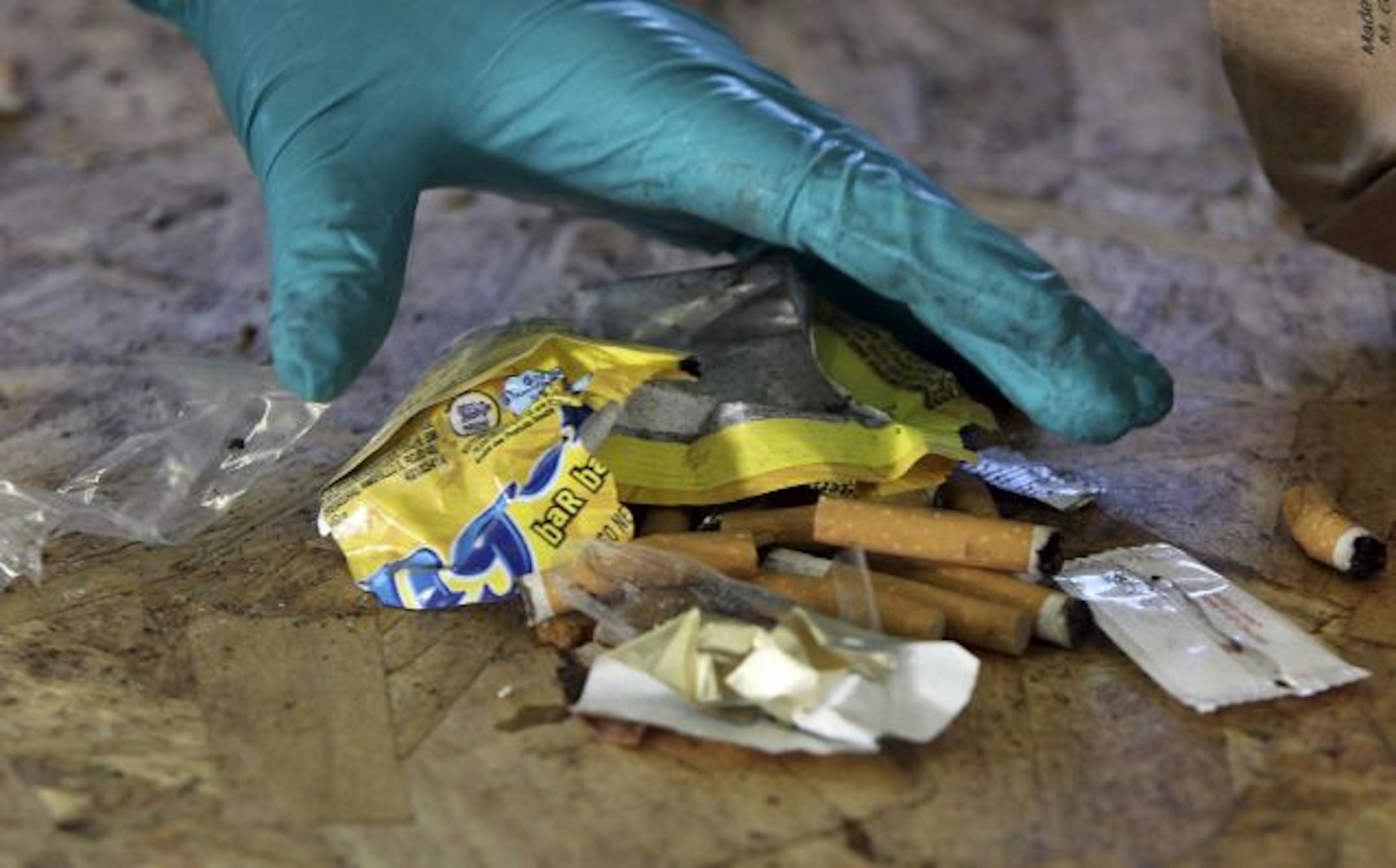
And get in there they did. Working out of an old unused Public Works Department garage, the four Green Corps members and a few volunteers sifted through coffee grounds and crunched TV dinner sleeves. They picked out sheets of newspaper and crumpled paper towels. They pulled away banana peels and broccoli stems. Each smelly article was meticulously separated into blue bins by category, and then the bins were weighed and recorded.
The Hennepin County recycling project is one of 26 programs for the fledgling Minnesota Green Corps, which sent members to 25 local governments, nonprofits and educational institutions statewide this year, its second year of operation.
The effort has four prongs: energy conservation and air quality, waste prevention and recycling, green infrastructure, and a "living green" outreach. While working to help communities in need, the program also places high priority on training and educating its members, many of whom are transitioning into new, environmentally oriented careers. They work for next to nothing: $11,400 for 1,700 service hours. But they are driven by the conviction that their efforts will someday represent meaningful change.
"I like the idea that everyone really can do something," said Nancy Lo, a full-time Green Corps member who will be seeing the project through from beginning to completion. "It's easy to say, 'Gee, I throw away a lot of stuff, but when you actually put numbers on it, it makes you stand back and go, 'Wow.'"